

Picos de Europa
Introduction
Tucked away in northern Spain lies one of Europe’s most spectacular yet underrated mountain landscapes—Picos de Europa. Known as “Spain’s Hidden Mountain Kingdom,” this dramatic region is a world of soaring limestone peaks, deep gorges, emerald valleys, ancient villages, and rich cultural heritage.
While Spain is often celebrated for its beaches, historic cities, and Mediterranean coastline, Picos de Europa National Park offers a completely different side of the country. Here, rugged mountains rise sharply from green pastures, clouds drift across jagged summits, and centuries-old traditions continue to shape life in remote valleys.
As Spain’s first national park and one of the country's most important natural treasures, Picos de Europa attracts hikers, climbers, wildlife enthusiasts, and travelers seeking breathtaking landscapes away from the crowds.
For those looking to discover an authentic and lesser-known corner of Europe, Picos de Europa delivers an unforgettable journey into the heart of Spain’s mountain wilderness.
Geography and Environmental Significance
The Picos de Europa mountain range forms part of the larger Cantabrian Mountains in northern Spain. The region spans the autonomous communities of Asturias, Cantabria, and Castile and León, creating a vast protected area rich in biodiversity and natural beauty.
Despite being located only a short distance from the Atlantic Ocean, the mountains rise dramatically to elevations exceeding 2,600 meters. This unique geography creates stunning contrasts between coastal landscapes, green valleys, and towering alpine peaks.
The park covers more than 67,000 hectares and contains some of Spain’s most important ecosystems. Abundant rainfall from the Atlantic helps sustain lush forests, mountain meadows, rivers, and wildlife habitats.
The region’s environmental importance has earned it protection as part of Spain’s national park system and recognition as a UNESCO Biosphere Reserve.
Dramatic Peaks and Mountain Landscapes
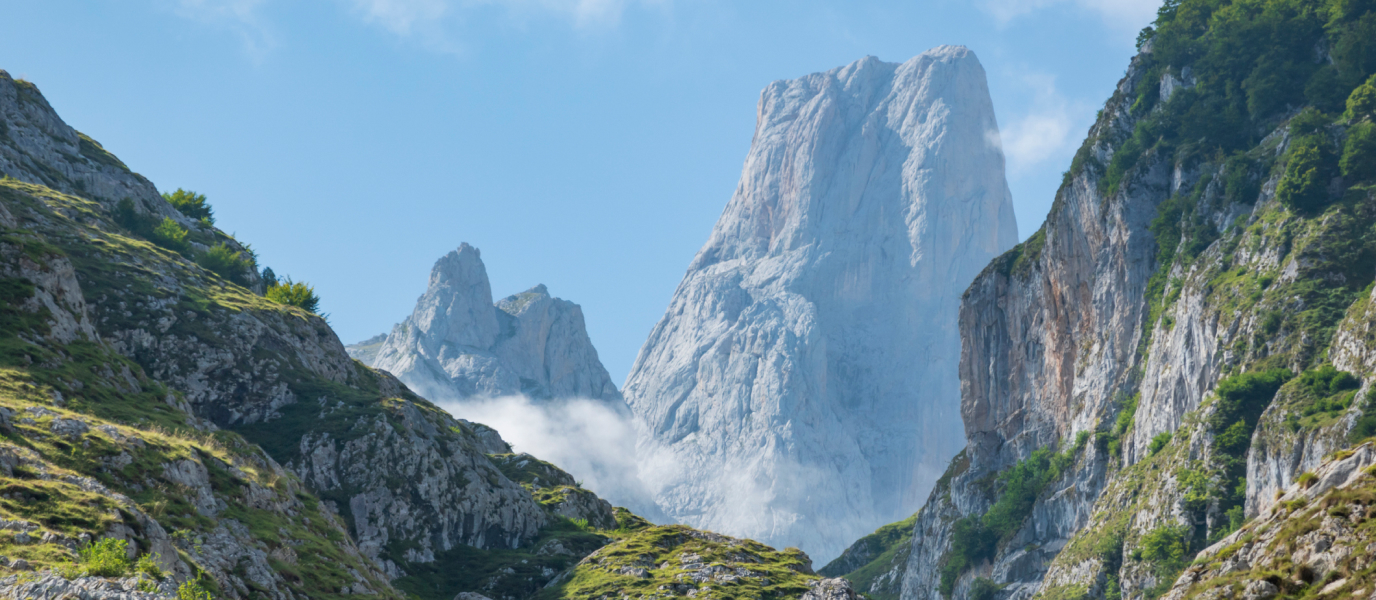
The defining feature of Picos de Europa is its dramatic limestone mountain scenery.
Sharp peaks, rocky ridges, and towering cliffs dominate the skyline, creating one of Europe’s most visually striking alpine environments. The range is divided into three main massifs: the Western, Central, and Eastern Massifs.
One of the most famous peaks is Torre de Cerredo, which stands as the highest mountain in the range at approximately 2,650 meters.
The mountains have been shaped by millions of years of geological activity, glaciation, and erosion, resulting in spectacular formations that attract climbers and photographers from around the world.
Throughout the year, changing weather conditions create dramatic scenery as clouds roll through valleys and sunlight illuminates the rugged limestone cliffs.
Deep Gorges and Natural Wonders
Beyond its peaks, Picos de Europa is famous for its extraordinary gorges and canyons.
One of the most impressive natural features is the Cares Gorge, often referred to as the “Divine Gorge.” Carved by the Cares River over thousands of years, this spectacular canyon cuts through the mountains with near-vertical walls rising hundreds of meters above the river below.
The famous Cares Trail follows the gorge and is considered one of Spain’s most scenic hiking routes.
The park is also home to caves, underground rivers, waterfalls, and glacial lakes that further enhance its natural diversity.
These landscapes create countless opportunities for exploration and adventure throughout the region.
Wildlife and Biodiversity
Picos de Europa supports one of the richest ecosystems in the Iberian Peninsula.
Dense forests of beech, oak, and chestnut trees provide habitats for numerous wildlife species.
One of the park’s most iconic animals is the Cantabrian Brown Bear, one of Europe’s rarest bear populations. Conservation efforts have helped increase their numbers in recent decades.
The mountains are also home to the Iberian Wolf, chamois, wild boar, deer, and various bird species including golden eagles and griffon vultures.
The combination of forests, alpine meadows, and rocky cliffs creates ideal habitats for a remarkable variety of flora and fauna.
Traditional Villages and Rural Heritage
Scattered throughout the valleys are picturesque villages that preserve centuries of rural Spanish culture.
One of the most famous settlements is Potes, a charming medieval town surrounded by mountains and crossed by stone bridges and narrow streets.
Traditional stone houses, historic churches, and family-run farms remain common throughout the region.
Many villages continue to practice traditional agriculture and livestock farming, maintaining a close relationship with the surrounding landscape.
The authenticity of these communities offers visitors a glimpse into a slower, more traditional way of life that has largely disappeared elsewhere in Europe.
Gastronomy and Local Cuisine
The culture of Picos de Europa is closely connected to its food traditions.
The region is famous for producing Cabrales Cheese, one of Spain’s most renowned blue cheeses. Aged in natural mountain caves, Cabrales is known for its strong flavor and unique production methods.
Traditional dishes often feature locally sourced ingredients such as lamb, beef, cured meats, and mountain vegetables.
Hearty stews and rustic recipes reflect the region’s agricultural heritage and mountain climate.
Food lovers visiting Picos de Europa can enjoy some of the most authentic and flavorful cuisine in northern Spain.
Adventure and Outdoor Activities
Picos de Europa is a paradise for outdoor enthusiasts.
Hiking is the region’s most popular activity, with trails ranging from easy valley walks to challenging mountain ascents.
The famous Cares Trail attracts thousands of hikers annually due to its spectacular canyon scenery and accessible route.
Rock climbing, mountain biking, canyoning, and wildlife photography are also popular activities throughout the park.
The region’s diverse terrain allows visitors to experience everything from peaceful meadows to high-altitude alpine adventures.
For nature lovers and active travelers, Picos de Europa offers endless opportunities for exploration.
Sustainability and Conservation
Protecting the natural and cultural heritage of Picos de Europa is a priority for local authorities and conservation organizations.
The national park plays a crucial role in preserving biodiversity, maintaining wildlife habitats, and protecting traditional landscapes.
Sustainable tourism initiatives encourage responsible travel practices, including respecting trails, minimizing waste, and supporting local communities.
Many local businesses emphasize eco-friendly tourism and promote awareness of environmental conservation.
These efforts help ensure that the region’s natural beauty remains intact for future generations.
Best Time to Visit Picos de Europa
The best time to visit Picos de Europa is between May and October, when weather conditions are generally favorable for hiking and outdoor activities.
Summer brings warmer temperatures and clear mountain views, although popular trails may become busier.
Spring and autumn offer fewer crowds, vibrant landscapes, and excellent photography opportunities.
Winter transforms the higher elevations into a snowy wonderland, attracting winter sports enthusiasts and photographers.
Each season reveals a different aspect of the region’s beauty.
How to Get Around
The main gateways to Picos de Europa include the cities of Santander, Oviedo, and León.
Car travel is the most convenient way to explore the park, allowing access to remote villages, viewpoints, and trailheads.
Scenic mountain roads wind through valleys and mountain passes, offering spectacular views throughout the journey.
Local buses connect some villages, but a personal vehicle provides the greatest flexibility for exploring the region.
Why Picos de Europa Belongs on Your Travel Bucket List
Picos de Europa offers an extraordinary combination of dramatic landscapes, rich wildlife, traditional culture, and outdoor adventure.
Unlike many of Europe’s more crowded mountain destinations, it retains a sense of authenticity and tranquility that appeals to travelers seeking genuine experiences.
Whether hiking through deep gorges, exploring medieval villages, tasting local cuisine, or admiring limestone peaks, visitors will find endless reasons to fall in love with this hidden mountain kingdom.
For those looking to discover one of Spain’s most spectacular natural treasures, Picos de Europa is a destination that exceeds expectations.
Conclusion
Picos de Europa stands as one of Europe’s most underrated mountain destinations. Shaped by geological forces, enriched by centuries of tradition, and protected through conservation efforts, this remarkable region offers a perfect blend of natural beauty and cultural heritage.
From towering limestone peaks and dramatic canyons to charming villages and rare wildlife, every corner of the park tells a story of resilience and wonder.
For travelers seeking adventure, authenticity, and breathtaking scenery, Picos de Europa truly deserves its reputation as Spain’s Hidden Mountain Kingdom.
00 Comments
No comments yet.
Leave a Comment