

Pirin National Park
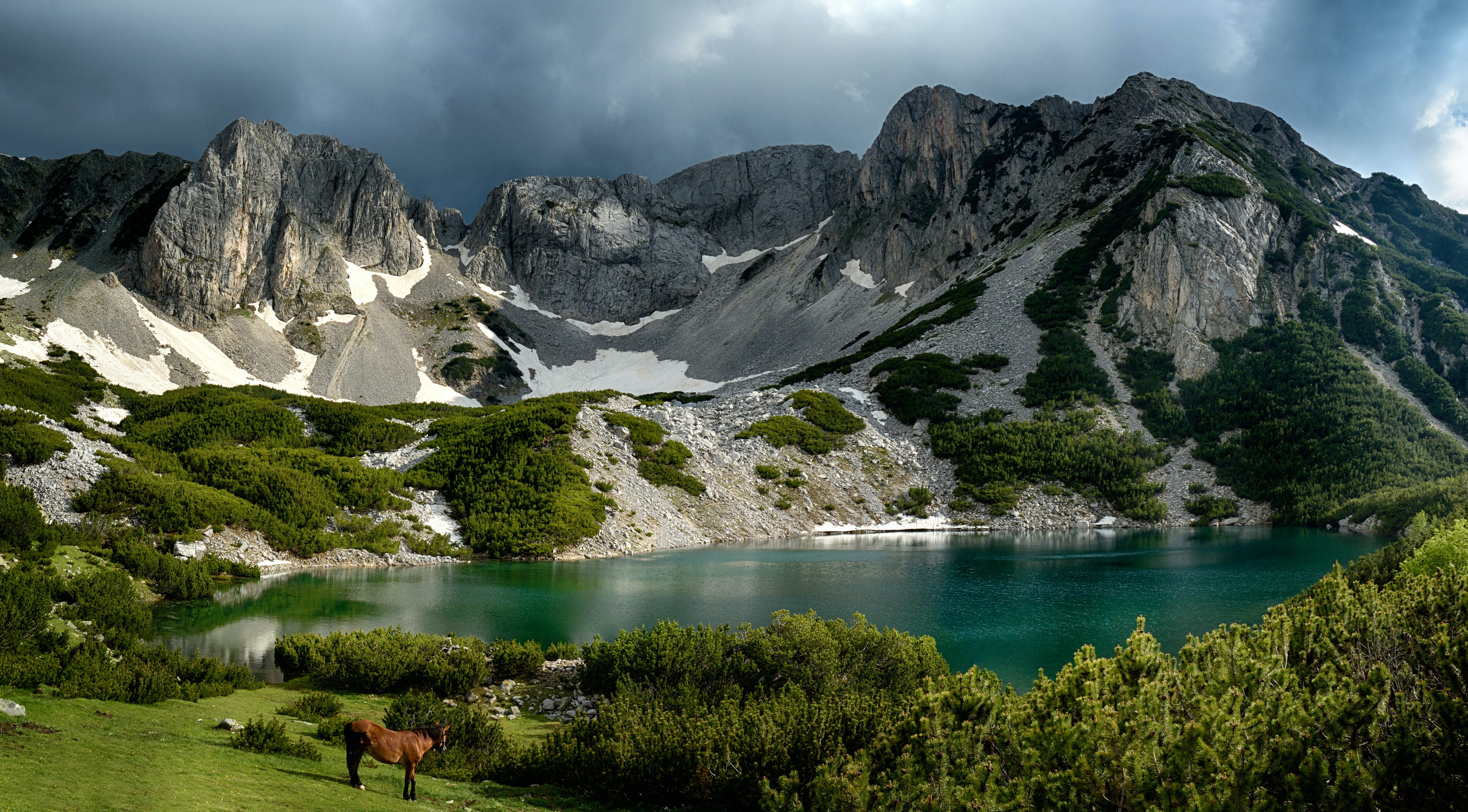
Nestled in the southwestern region of Bulgaria lies the breathtaking Pirin National Park. The park is a nature lover's paradise with its soaring peaks, ancient forests, and diverse wildlife. Home to over 70 glacial lakes, numerous waterfalls, and countless hiking trails, Pirin National Park offers endless opportunities for adventure and exploration.
But it's not just the natural beauty that makes this park so special. Pirin is also home to a rich cultural heritage, with ancient Thracian ruins and traditional villages scattered throughout the landscape. Whether you're an outdoor enthusiast, a history buff, or simply seeking a peaceful retreat, Pirin National Park is a must-visit destination.
In this article, we will delve into the wonders of this stunning national park and discover what makes it such a unique and cherished part of Bulgaria's natural and cultural heritage.
A Brief Overview Of Pirin National Park
Pirin National Park is located in southwestern Bulgaria and covers an area of approximately 403 square kilometers. The park is characterized by its rugged, mountainous terrain, with the highest peak being Vihren at 2,914 meters above sea level.
The geology park is primarily composed of granite, marble, and other metamorphic rocks that were formed during the Paleozoic Era. Glaciation during the Quaternary Period further shaped the landscape, forming over 70 glacial lakes and numerous waterfalls.
In addition to its stunning natural features, Pirin National Park is also home to a rich variety of flora and fauna. The park boasts over 1,300 plant species, including rare and endemic species such as the Pirin poppy and the Pirin oak.
What Is The History Of Pirin National Park?
The history of Pirin National Park dates back to 1962 when the Bulgarian government declared the region a protected area. However, the area's conservation history goes back much further. In the early 20th century, several local intellectuals and nature enthusiasts recognized the area's unique ecological and cultural value and advocated for its protection.
In 1983, Pirin National Park was designated a UNESCO World Heritage Site for its outstanding natural value.
The park is managed by the Ministry of Environment and Water and a team of dedicated park rangers and conservationists. The park's management works closely with local communities, scientists, and NGOs to promote sustainable tourism, protect biodiversity, and preserve the area's cultural heritage for future generations.
Where Is Pirin Mountain?
Pirin Mountain is located in southwestern Bulgaria, near the border with Greece. The mountain range is part of the wider Rhodope Mountains and is known for its stunning natural beauty, diverse wildlife, and rich cultural heritage. Pirin National Park, which encompasses much of the mountain range, is a popular destination for outdoor enthusiasts, nature lovers, and history buffs.
What Animals Live In Pirin National Park?
Pirin National Park is a vital refuge for many of Bulgaria's most iconic and threatened species, and its conservation is critical for preserving the country's natural heritage. The park's rich biodiversity is due to its location at the crossroads of several major biogeographical regions, including the Mediterranean, European, and Siberian.
Some of the park's most notable animal species include the endangered Balkan lynx, brown bear, and chamois. Other large mammals found in the park include wild boar, red deer, roe deer, and wolves. The park is also home to a wide variety of bird species, including the golden eagle, black grouse, and hazel grouse.
The park's streams and lakes are home to several species of trout, and its forests are home to numerous amphibians and reptiles, including the European tree frog and slow worm.
What Is The Flora Of Pirin National Park?
Pirin National Park is home to a diverse range of flora, with over 1,300 plant species identified within its boundaries. The park's unique geology, varied topography, and the location at the crossroads of several major biogeographical regions have all contributed to its rich botanical diversity.
Some of the park's most notable plant species include the Pirin poppy, which is endemic to the region and found nowhere else in the world. Other rare and endemic species found in the park include the Pirin oak, Macedonian pine, and Pirin juniper.
The park's vegetation is characterized by various forest types, including beech, spruce, fir, pine forests, sub-alpine, and alpine meadows. These habitats support a diverse range of plant species, including orchids, primroses, and gentians.
What Are The Threats To Pirin National Park?
Despite its protected status, Pirin National Park faces several threats to its ecological and cultural heritage. One of the most significant threats is illegal logging, which has been a persistent problem in the park for decades. Despite efforts by park authorities to crack down on illegal logging, it continues to threaten the park's forests and biodiversity.
Another significant threat to the park is tourism development. While tourism provides an important source of income for local communities, unregulated and unsustainable tourism can damage the park's delicate ecosystems and cultural heritage. Activities such as off-road driving, camping, and hiking can cause erosion, soil compaction, and other environmental impacts if not properly managed.
Climate change is also a growing threat to Pirin National Park. Rising temperatures and changing precipitation patterns can alter ecosystems and affect the distribution and abundance of plant and animal species. The park's cultural heritage is also under threat from human activities.
What Activities To Do At Pirin National Park?
Pirin National Park offers a wide range of activities for visitors to enjoy. Here are some of the most popular activities to do in the park:
· Hiking: Hiking is one of the most popular activities in Pirin National Park. The park offers a wide range of hiking trails, from easy walks to challenging multi-day treks.
· Skiing and snowboarding: During the winter months, Pirin National Park is a popular destination for skiing and snowboarding. The nearby town of Bansko is a popular ski resort, offering a range of ski runs for all levels.
· Wildlife watching: Pirin National Park is home to a wide range of wildlife, including bears, wolves, chamois, and numerous bird species. Visitors can enjoy wildlife watching by exploring the park's hiking trails or by joining a guided wildlife tour.
· Cultural tours: The park is home to several important cultural sites, including ancient Thracian tombs and traditional mountain villages. Visitors can explore these sites by joining a guided cultural tour or by exploring on their own.
· Camping: Camping is a popular activity in Pirin National Park, with several designated camping areas located throughout the park. Visitors can enjoy the park's stunning landscapes and wildlife by camping overnight in the park.
Hiking To Pirin National Park
As mentioned earlier, hiking in Pirin National Park is a popular activity for tourists, offering a chance to explore the park's stunning landscapes and diverse ecosystems. The park offers a wide range of hiking trails, from easy walks to challenging multi-day treks.
One of the most popular hiking destinations in the park is the peak of Vihren, the second-highest mountain in Bulgaria. The hike to the summit of Vihren is a challenging but rewarding experience, offering stunning views of the park's rugged terrain and surrounding mountains.
Other popular hiking routes in the park include the route from the town of Bansko to the Bezbog Hut, a scenic trail that passes through dense forests and alpine meadows. The route to the Bunderitsa Hut is also a popular option, offering views of several of the park's most iconic peaks and lakes.
How To Get There?
Pirin National Park is located in southwestern Bulgaria, and there are several ways to get there:
By plane: The nearest international airport is Sofia Airport, which is located about 150 km away from the park. From there, you can hire a car or take a bus to reach the park.
By car: You can reach Pirin National Park by car from several directions. From Sofia, the capital city of Bulgaria, the drive to the park takes approximately 2.5-3 hours. You can also drive to the park from nearby cities such as Bansko and Sandanski.
By bus: Several bus companies operate regularly to the park from Sofia and other nearby cities. The bus journey from Sofia to Bansko takes approximately 3-4 hours; from there, you can take a taxi or a local bus to reach the park.
By train: The nearest train station is located in the town of Septemvri, which is approximately 110 km away from the park. From there, you can take a bus or hire a car to reach the park.
Conclusion
Pirin National Park is a stunning natural reserve located in southwestern Bulgaria. It offers you a range of activities, including hiking, skiing, wildlife watching, cultural tours, and camping. If you're planning a visit to Bulgaria, include a trip to Pirin National Park on your itinerary – you won't be disappointed!
00 Comments
No comments yet.
Leave a Comment