

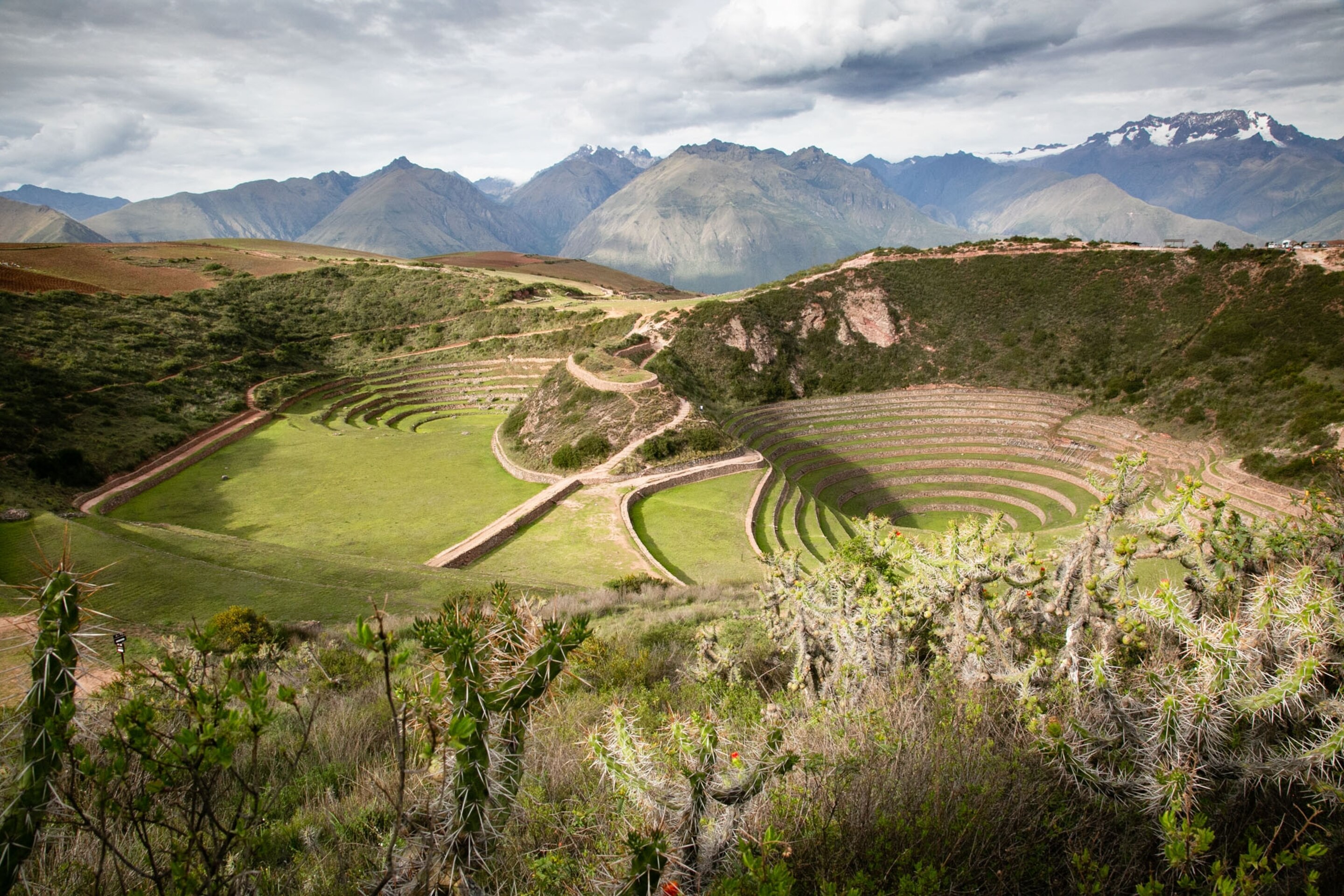
Sacred Valley
Sacred Valley is known for its stunning landscapes, ancient ruins, and vibrant culture. However, many visitors need to realize that the valley is also home to a wealth of spiritual treasures, including sacred sites, healing practices, and traditional ceremonies that have been passed down for centuries.
Whether you are a spiritual seeker, an adventurer, or simply someone who wants to experience the magic of the Andes, this guide will help you to uncover the hidden treasures of Peru's Sacred Valley.
In this article, we will delve deeper into the Sacred Valley's spiritual side, exploring how its people connect with the divine and offering insights into the powerful energy and wisdom that can be found in this extraordinary place.
What Is The Geography Of Sacred Valley?
The Sacred Valley is a region located in the Andes Mountains of Peru, near the city of Cusco. It is a long, narrow valley that stretches for about 60 kilometers (37 miles) along the Urubamba River. The valley is surrounded by high peaks and dotted with traditional villages, Inca ruins, and agricultural terraces. The elevation of the valley varies from around 2,800 meters (9,200 feet) at its lowest point to over 3,800 meters (12,500 feet) at its highest, making it a unique and diverse ecological zone.
The valley is also characterized by its rich mineral resources, including gold, silver, and copper, which have attracted people to the region for thousands of years. Overall, the geography of the Sacred Valley is stunning and varied, with a unique combination of natural beauty, cultural heritage, and spiritual significance.
What Is The History Of Sacred Valley?
The history of the Sacred Valley dates back over 3,000 years, to a time before the Inca Empire existed. The region was inhabited by several different cultures, including the Wari and Tiwanaku, who left behind impressive stone constructions and advanced agricultural techniques.
The Inca people arrived in the region around the 13th century and quickly recognized the valley's spiritual and agricultural significance. They built a network of roads and irrigation systems, as well as many important temples and administrative centers. The valley became a major center of Inca power, and the emperor Pachacuti expanded the empire's territory and influence from his base in the valley.
The Spanish arrived in the 16th century and quickly conquered the Inca Empire, destroying many of the Inca's sacred sites and suppressing their traditions and culture. The Sacred Valley became an important agricultural center for the Spanish, who introduced new crops such as wheat and built many churches and other colonial buildings.
Today, the Sacred Valley is still home to many indigenous communities who maintain their traditional customs and practices. The valley is also a major tourist destination, with visitors coming from all over the world to explore the Inca ruins, experience the traditional Andean culture, and connect with the valley's rich spiritual heritage.
Why Is The Sacred Valley Called Sacred?
The Sacred Valley is called "sacred" because it was considered a holy place by the Inca people, who saw it as a spiritual and agricultural center. The valley was believed to have a special energy or "mana," which was thought to flow from the surrounding mountains and connect the people to the divine. The Inca built many important temples and other structures in the valley, and it was also a site of pilgrimage and ceremony.
The valley's fertile land, mild climate, and access to water from the Urubamba River made it an ideal location for agriculture. The Inca developed advanced irrigation and terracing systems that allowed them to grow crops such as maize, potatoes, and quinoa. The valley was also a strategic location for trade and communication and an important center of Inca power and governance.
Today, the Sacred Valley is still considered a place of spiritual significance, and many visitors come to experience the beauty, history, and energy of this extraordinary place.
What Is The Sacred Valley Known For?
The Sacred Valley is known for its stunning natural beauty, rich cultural heritage, and spiritual significance.
Here are some of the things that make the Sacred Valley famous:
Inca Ruins: The Sacred Valley was a heartland of the Inca Empire and is home to many important Inca ruins, including the famous Machu Picchu, Pisac, Ollantaytambo, and Chinchero.
Agriculture: The valley's fertile land and mild climate make it an ideal location for agriculture, and it has been a center of farming for thousands of years. Today, the valley is famous for its colorful markets, where visitors can buy fresh produce, textiles, and handicrafts.
Natural Beauty: The Sacred Valley is surrounded by towering mountains and dotted with picturesque villages and ancient ruins. It is also home to the Urubamba River, which runs through the valley and provides a source of water for agriculture and recreation.
Spiritual Significance: The Sacred Valley is considered to be a place of spiritual power and has long been associated with healing and transformation. It is home to many traditional healers and shamans, and visitors can participate in ceremonies and rituals that offer a deeper connection to the natural world.
The Sacred Valley is a place of great cultural and spiritual significance and a must-see destination for anyone interested in history, nature, and spirituality.
How To Get There?
The Sacred Valley is located about 15 kilometers (9 miles) north of the city of Cusco in Peru. Many methods of transportation are available, depending on your preferences and financial situation:
By Bus: Regular buses run between Cusco and the towns of Pisac, Urubamba, and Ollantaytambo in the Sacred Valley. Buses are inexpensive and frequently available, and it's simple to purchase tickets at the bus station or from a travel agency.
By Taxi: Taxis are a bit more expensive than buses, but they offer more comfort and flexibility. You can hire a taxi in Cusco or arrange for one through your hotel or a travel agency.
By Train: The PeruRail train runs between Cusco and the town of Aguas Calientes, which is the gateway to Machu Picchu. The train journey offers stunning views of the Sacred Valley, and it's a popular option for tourists.
Once you've reached the Sacred Valley, it's easy to get around by bus, taxi, or on foot. Many of the main attractions are located near the towns of Pisac, Urubamba, and Ollantaytambo, and it's also possible to hike or bike between the different sites.
What Is The Best Time To Visit Sacred Valley?
The best time to visit the Sacred Valley is during the dry season, which runs from May to September. During this time, the weather is generally sunny and dry, with daytime temperatures averaging around 20-25°C (68-77°F) and nighttime temperatures dropping to around 5-10°C (41-50°F).
Conclusion
The Sacred Valley in Peru is a destination that is rich in history, culture, and natural beauty. Its geography, known for its towering mountains and winding river valleys, is a sight to behold, and it’s ancient ruins and colonial architecture are a testament to the region's fascinating history. Whether you're interested in exploring the region's spiritual and cultural treasures or simply enjoying its stunning scenery, the Sacred Valley offers something for every type of traveler.
With its favorable weather conditions and vibrant festivals, the best time to visit is during the dry season from May to September, but visitors can also enjoy a more budget-friendly experience during the shoulder season months of April or October.
00 Comments
No comments yet.
Leave a Comment