

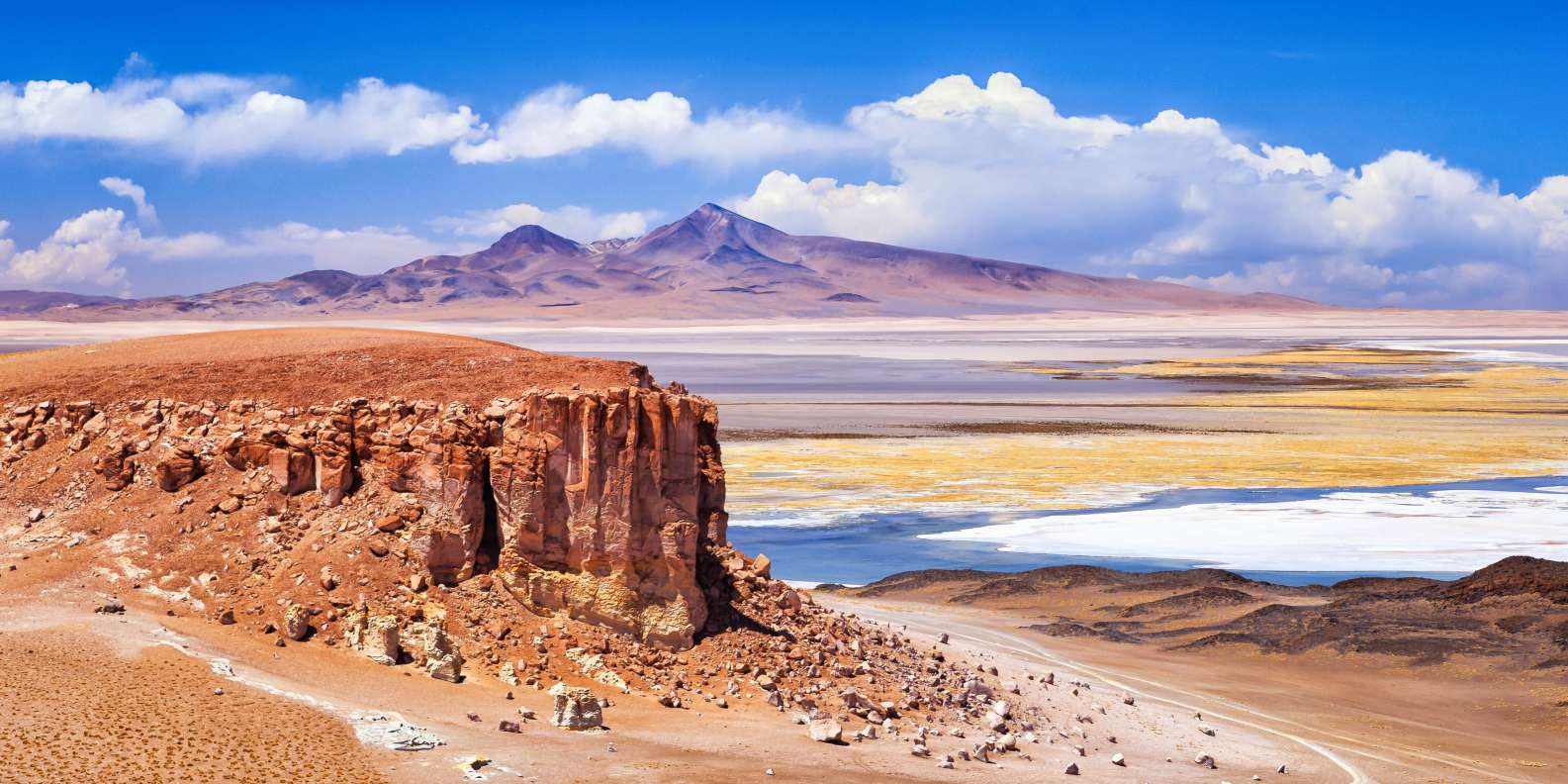
Salar de Tara
Introduction
Hidden deep within the high-altitude wilderness of northern Chile lies one of South America’s most breathtaking yet lesser-known landscapes-Salar de Tara. Often overshadowed by the famous Uyuni Salt Flats, this remote destination offers equally stunning scenery with far fewer crowds, earning it the nickname “Bolivia’s Hidden Rival.”
Located within the Andean plateau, Salar de Tara is a surreal combination of salt flats, lagoons, volcanic formations, and unique rock structures. The dramatic scenery, combined with its isolation, creates an experience that feels untouched and truly extraordinary.
For travelers seeking off-the-beaten-path adventures and pristine природal beauty, Salar de Tara delivers one of the most unique and unforgettable landscapes in Chile.
Geography and Environment
Salar de Tara is situated in northern Chile, near the border with Bolivia and Argentina. It lies within the high-altitude Altiplano, at an elevation of over 4,000 meters above sea level.
The region is part of the Los Flamencos National Reserve, a protected area known for its diverse landscapes and unique ecosystems.
Surrounded by volcanoes, विशाल plains, and salt flats, the environment is both harsh and breathtaking. The climate is cold and خشک, with strong winds, intense sunlight, and significant temperature fluctuations between day and night.
Despite these extreme conditions, the landscape is rich in geological diversity, making Salar de Tara one of the most visually striking مناطق in the Andes.
Salt Flats, Lagoons, and Rock Formations
Salar de Tara is not just a salt flat—it is a complex landscape filled with a variety of природal features.
The salt flat itself stretches across a wide area, creating a سفید, reflective surface similar to Bolivia’s Uyuni, though smaller and more rugged. Nearby lagoons add vibrant shades of blue and green, contrasting beautifully with the white salt and surrounding mountains.
One of the most iconic features of the area is Monjes de la Pacana, a series of towering rock pillars that rise dramatically from the الأرض. These formations resemble ancient statues and add a mystical quality to the landscape.
Another remarkable feature is the Tara Salt Flats itself, surrounded by volcanic peaks and wide-open skies.
The combination of salt flats, wetlands, and volcanic formations creates a landscape that feels both diverse and otherworldly.
Wildlife and High-Altitude Ecosystem
Despite its remote and harsh environment, Salar de Tara supports a surprising variety of wildlife.
One of the most commonly seen animals in the area is the Flamingo, which thrives in the mineral-rich lagoons.
Other wildlife includes vicuñas, foxes, and various bird species adapted to high-altitude conditions.
The wetlands surrounding the lagoons provide essential habitats for these animals, making the region an important ecological zone.
Vegetation is sparse but includes grasses and hardy plants that can survive in extreme conditions.
This unique ecosystem highlights the resilience of life in one of the most challenging environments on Earth.
Cultural and Regional Context
The region around Salar de Tara has been influenced by indigenous cultures for centuries. Ancient trade routes once crossed the Altiplano, connecting communities across the Andes.
Today, nearby towns such as San Pedro de Atacama serve as the main base for exploring the المنطقة.
San Pedro de Atacama is known for its rich cultural heritage, traditional architecture, and connection to the surrounding desert landscapes.
Visitors can learn about local traditions, history, and ways of life that have adapted to the extreme conditions of the high-altitude desert.
Adventure and Exploration
Exploring Salar de Tara is an adventure that takes travelers far beyond typical турист destinations.
Most visits are conducted via 4x4 vehicles, as the terrain is rugged and remote. The journey itself is part of the experience, passing through volcanic landscapes, high mountain passes, and expansive plains.
Photography is one of the main highlights, with endless opportunities to capture the dramatic scenery, wildlife, and unique geological formations.
The vast open spaces and silence of the Altiplano create a sense of isolation and tranquility that is rare in today’s world.
Due to the high altitude, visitors must also be prepared for altitude-related challenges and take time to acclimatize.
Sustainability and Conservation
Salar de Tara is part of a protected reserve, and conservation efforts are essential to preserving its fragile ecosystem.
Tourism is carefully managed to minimize environmental impact, with restrictions on vehicle access and designated routes.
Visitors are encouraged to follow responsible travel practices, including respecting wildlife, avoiding littering, and staying within permitted areas.
Local communities benefit from eco-tourism initiatives, helping to support sustainable development in the region.
These efforts ensure that Salar de Tara remains a pristine and protected destination.
Best Time to Visit Salar de Tara
The best time to visit Salar de Tara is between April and November, when weather conditions are more stable and accessible.
During these months, skies are typically clear, offering excellent visibility for photography and sightseeing.
Summer months (December to March) may bring occasional rainfall, which can make travel more challenging.
Early morning and late afternoon are the best times to explore, as the lighting enhances the colors of the landscape.
Transport and Accessibility
Salar de Tara is accessed primarily from San Pedro de Atacama, which serves as the main турист hub in the region.
Travel to the salt flats requires guided tours using 4x4 vehicles, as the terrain is कठिन and remote.
The journey involves traveling through high-altitude passes and remote مناطق, making preparation and guidance essential.
Despite its isolation, the experience of reaching Salar de Tara is part of its appeal, offering a sense of true adventure.
Why Visit Salar de Tara?
Salar de Tara offers a rare opportunity to explore one of the most untouched and visually stunning landscapes in South America.
Its combination of salt flats, lagoons, wildlife, and dramatic rock formations creates a destination that rivals more famous locations while remaining शांत and uncrowded.
For travelers seeking adventure, photography, and unique природal beauty, Salar de Tara provides an unforgettable experience.
Conclusion
Salar de Tara stands as one of Chile’s most hidden treasures. With its vast salt flats, towering rock formations, and vibrant lagoons, it offers a landscape that is both powerful and serene.
Far from the crowds of more प्रसिद्ध destinations, this remote corner of the Altiplano invites travelers to experience nature in its purest form.
For those willing to venture off the beaten path, Salar de Tara delivers a journey filled with wonder, solitude, and breathtaking scenery—truly earning its place as Bolivia’s hidden rival.
00 Comments
No comments yet.
Leave a Comment