

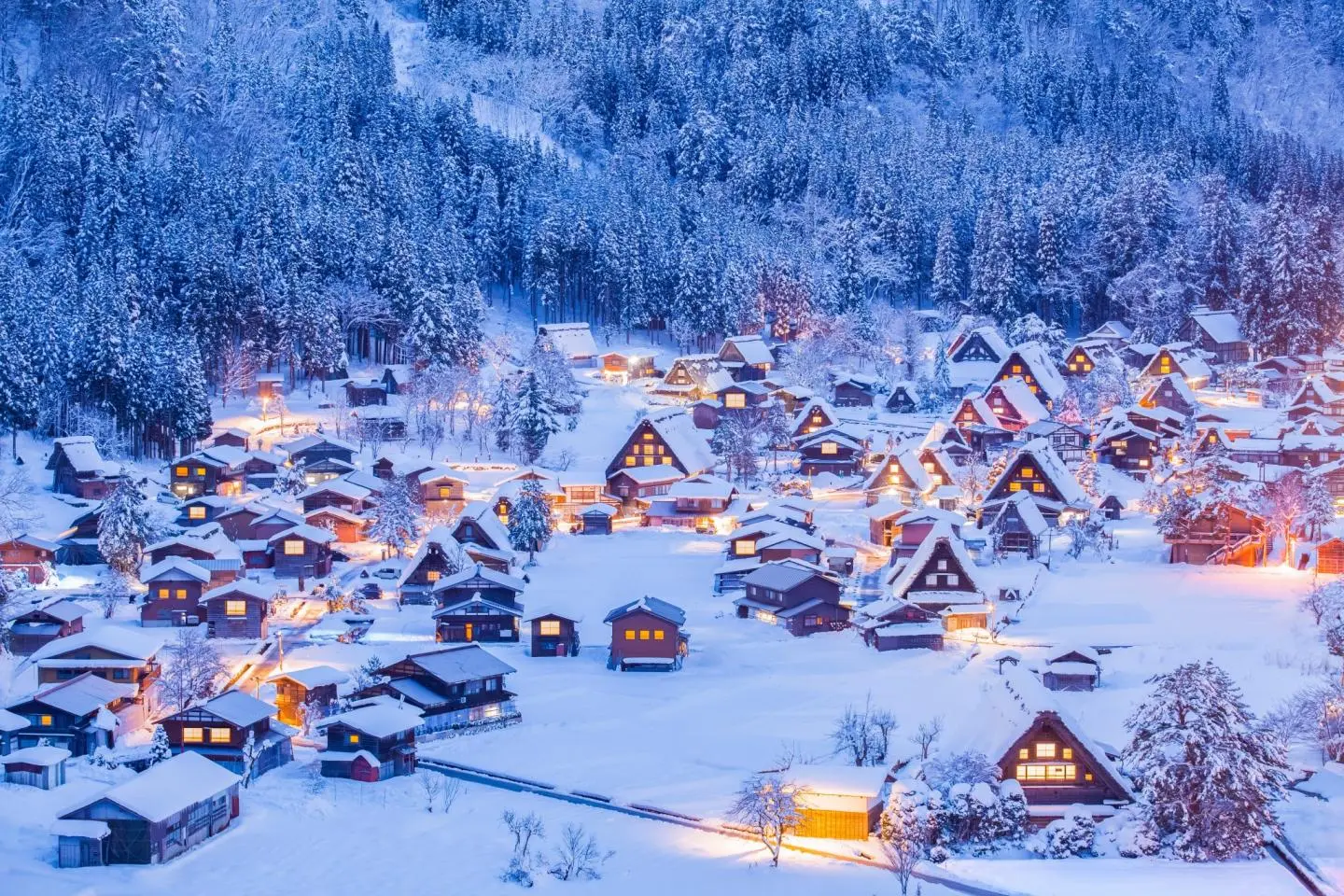
Shirakawa-go
Introduction
Nestled in the heart of the Japanese Alps, Shirakawa-go is one of Japan's most enchanting destinations. Known as Japan's Timeless Thatched Village, this UNESCO World Heritage Site captivates visitors with its centuries-old farmhouses, snow-covered winter landscapes, emerald rice fields, and rich cultural traditions that have endured for generations.
Unlike Japan's bustling cities filled with neon lights and skyscrapers, Shirakawa-go offers a peaceful journey into the country's rural past. The village is famous for its distinctive gassho-zukuri farmhouses, architectural masterpieces with steeply pitched thatched roofs designed to withstand the region's heavy snowfall. Many of these homes are more than 250 years old and remain inhabited today, preserving a unique way of life that has survived the passage of time.
Surrounded by forested mountains, crystal-clear rivers, and scenic valleys, Shirakawa-go transforms with every season. Cherry blossoms bloom in spring, lush greenery covers the landscape in summer, golden rice fields shine in autumn, and winter blankets the village in deep snow, creating one of Japan's most iconic fairytale scenes.
Whether you're a history lover, photographer, culture enthusiast, or traveler searching for authentic Japanese experiences, this Shirakawa-go travel guide will show you why this timeless mountain village deserves a place on every Japan itinerary.
Where Is Shirakawa-go? Geography and Mountain Landscape
Shirakawa-go is located in Gifu Prefecture, in central Japan, nestled within the rugged Japanese Alps.
The village sits along the beautiful Shogawa River Valley, surrounded by dense forests, rolling mountains, and fertile farmland.
Its remote mountain location helped preserve the village's traditional architecture and customs for centuries. Before modern roads were built, heavy snowfall often isolated the community during winter, allowing local traditions to develop independently.
Today, this spectacular setting makes Shirakawa-go one of Japan's most picturesque countryside destinations.
Why Is Shirakawa-go Famous?
Shirakawa-go is internationally renowned for preserving one of Japan's most distinctive traditional villages.
It is famous for:
- UNESCO World Heritage status
- Historic gassho-zukuri farmhouses
- Traditional thatched-roof architecture
- Heavy winter snowfall
- Spectacular seasonal scenery
- Authentic rural Japanese culture
- Mountain landscapes
- Historic farming traditions
- Beautiful viewpoints
Winter illuminatioIts remarkable combination of natural beauty, living history, and cultural preservation makes Shirakawa-go one of Japan's most visited heritage destinations.
History of Shirakawa-go
The history of Shirakawa-go stretches back several centuries.
Due to its isolated mountain location, local communities developed self-sufficient farming lifestyles that relied on rice cultivation, mulberry farming, and silkworm production.
To survive the region's intense snowfall, villagers built the distinctive gassho-zukuri houses, whose steep roofs resemble two hands joined together in prayer.
Many of these homes were constructed without nails, using traditional wooden joinery techniques that have proven remarkably durable over hundreds of years.
Recognizing its outstanding cultural significance, Shirakawa-go was designated a UNESCO World Heritage Site in 1995, preserving both its architecture and traditional way of life for future generations.
Top Attractions in Shirakawa-go
Ogimachi Village - The Heart of Shirakawa-go
The historic Ogimachi is the largest and most famous settlement in Shirakawa-go.
Home to dozens of beautifully preserved gassho-zukuri farmhouses, Ogimachi offers visitors an immersive journey into rural Japan.
Many traditional houses now operate as museums, guesthouses, restaurants, and family homes, allowing travelers to experience authentic local culture.
Walking through its quiet streets reveals centuries-old craftsmanship and breathtaking mountain scenery at every turn.
Gassho-zukuri Farmhouses - Architectural Masterpieces
The iconic gassho-zukuri farmhouses are Shirakawa-go's defining feature.
Their steep thatched roofs, angled at nearly 60 degrees, are specifically designed to prevent heavy snow from accumulating during winter.
Built entirely from wood using traditional carpentry techniques, these remarkable structures have withstood centuries of harsh mountain weather.
Some farmhouses are more than 250 years old, showcasing Japan's extraordinary architectural heritage.
Visitors can enter several preserved homes to explore traditional interiors and learn about village life.
Shiroyama Viewpoint - The Best Panorama
One of the most photographed locations in Shirakawa-go is the Shiroyama Viewpoint.
Perched above Ogimachi Village, this observation point offers breathtaking panoramic views of the traditional farmhouses surrounded by mountains.
The viewpoint is especially popular during sunrise, autumn foliage, and winter when snow transforms the village into a magical landscape.
It is considered the best place to capture Shirakawa-go's iconic postcard image.
Wada House - The Largest Traditional Farmhouse
The historic Wada House is one of the largest and best-preserved gassho-zukuri houses in the village.
Once home to one of Shirakawa-go's wealthiest families, it now serves as a museum displaying traditional farming tools, household items, and architectural features.
Visitors gain valuable insight into daily life within these remarkable mountain homes.
Myozenji Temple and Bell Tower
The peaceful Myozenji Temple is unique for its beautiful thatched roof, matching the architecture found throughout the village.
Its serene gardens, historic cemetery, and traditional bell tower create a tranquil atmosphere that reflects centuries of Buddhist heritage.
The temple offers a quieter alternative to the village's more crowded attractions.
Best Things to Do in Shirakawa-go
Shirakawa-go offers visitors a wide variety of cultural and outdoor experiences.
Popular activities include:
- Exploring traditional farmhouses
- Visiting local museums
- Hiking scenic mountain trails
- Photographing seasonal landscapes
- Staying overnight in a gassho-zukuri farmhouse
- Sampling regional Japanese cuisine
- Shopping for traditional handicrafts
- Visiting local shrines and temples
- Enjoying winter illumination events
Discovering rural JapaneseEvery season provides unique opportunities to experience the timeless charm of the village.
Local Food and Traditional Culture
Shirakawa-go's mountain location has shaped its distinctive culinary traditions.
Visitors can enjoy regional specialties such as Hida Beef, handmade soba noodles, river fish, mountain vegetables, miso dishes, and locally produced sake.
Many traditional restaurants operate inside restored farmhouses, creating authentic dining experiences surrounded by centuries of history.
The village also preserves traditional crafts, folk festivals, and agricultural customs that continue to define daily life.
Hospitality remains one of Shirakawa-go's greatest strengths, with many families welcoming guests into historic homes.
Sustainable Tourism and Cultural Preservation
Shirakawa-go is an outstanding example of successful heritage conservation.
UNESCO recognition has helped protect its historic buildings while supporting the local community.
Strict preservation guidelines ensure that renovations maintain the village's traditional appearance and construction methods.
Visitors are encouraged to respect residents' privacy, avoid entering restricted areas, and support local businesses that help preserve the village's cultural heritage.
Responsible tourism plays an essential role in safeguarding this unique destination for future generations.
Best Time to Visit Shirakawa-go (Month-by-Month Guide)
Shirakawa-go is beautiful throughout the year.
Spring (March to May) brings cherry blossoms and fresh mountain greenery.
Summer (June to August) offers pleasant temperatures and vibrant rice fields.
Autumn (September to November) transforms the surrounding mountains into spectacular shades of red, orange, and gold.
Winter (December to February) is the village's most famous season, with heavy snowfall creating postcard-perfect scenery. Special winter illumination events make the snow-covered farmhouses appear like scenes from a fairytale.
Every season offers a completely different perspective on Shirakawa-go's timeless beauty.
How to Get to Shirakawa-go
Shirakawa-go is easily accessible from several major Japanese cities.
The village can be reached by highway bus from Takayama, Kanazawa, and Toyama.
Travelers arriving from Tokyo, Osaka, or Nagoya typically connect via Takayama or Kanazawa.
Rental cars provide additional flexibility for exploring the surrounding mountain region and nearby traditional villages.
Essential Travel Tips for Visiting Shirakawa-go
Planning ahead will help you enjoy a memorable visit.
- Arrive early to avoid peak tourist crowds.
- Stay overnight to experience the peaceful atmosphere after day visitors leave.
- Wear comfortable walking shoes, as most attractions are explored on foot.
- Dress warmly during winter, as snowfall can be heavy.
- Respect private residences, as many traditional homes remain occupied.
- Book accommodations well in advance during the winter illumination season.
Support local artisans by purchasing handmade crafts and regional prodThese simple tips help preserve the village while enhancing your travel experience.
Why Visit Shirakawa-go?
Shirakawa-go offers a rare opportunity to experience Japan as it existed centuries ago. Its beautifully preserved farmhouses, peaceful mountain setting, rich traditions, and changing seasonal landscapes create an atmosphere that feels untouched by time.
Whether you're wandering through historic streets, admiring snow-covered thatched roofs, tasting authentic regional cuisine, or staying in a centuries-old farmhouse, every moment here reflects the enduring spirit of rural Japan.
For travelers seeking history, culture, photography, and one of Japan's most picturesque destinations, Shirakawa-go is an unforgettable experience.
Conclusion
Shirakawa-go is far more than a historic village - it is a living testament to Japan's cultural heritage and traditional craftsmanship. From its iconic gassho-zukuri farmhouses and breathtaking mountain scenery to its warm hospitality and UNESCO-recognized history, every corner of the village tells a story that has endured for generations.
Its harmonious blend of architecture, nature, and timeless traditions makes it one of the most extraordinary destinations in Japan.
For anyone searching for an authentic countryside escape filled with history, beauty, and unforgettable experiences, Shirakawa-go truly lives up to its reputation as Japan's Timeless Thatched Village.
00 Comments
No comments yet.
Leave a Comment