

Sintra
Introduction
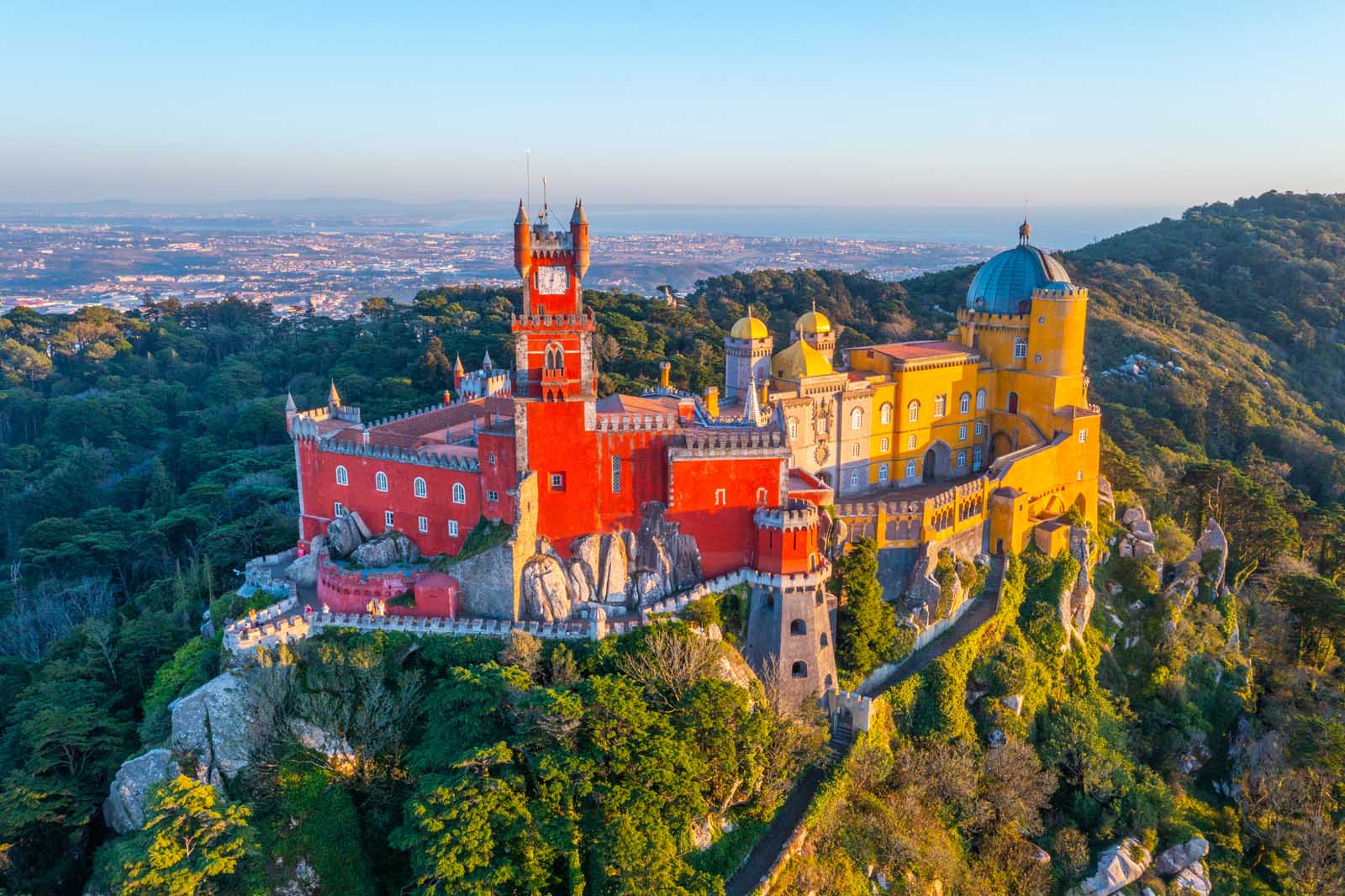
Nestled in the lush hills just outside Lisbon, Sintra is one of Portugal’s most enchanting destinations. Known for its whimsical palaces, mysterious castles, and romantic gardens, this picturesque town has long inspired poets, kings, and travelers. Surrounded by misty forests and dramatic mountain scenery, Sintra feels like a place lifted straight from a storybook.
Unlike many historic towns that revolve around a single landmark, Sintra is filled with architectural wonders scattered across forested hills. From brightly colored palaces to ancient Moorish fortresses, the region offers a remarkable blend of history, art, and natural beauty.
Recognized as a UNESCO World Heritage Cultural Landscape, Sintra’s unique harmony between architecture and nature makes it one of Europe’s most magical travel destinations. For visitors seeking romance, history, and breathtaking scenery, Sintra truly lives up to its reputation as Portugal’s fairytale palace town.
Geography and Environment
Sintra lies about 30 kilometers northwest of Lisbon, nestled within the forested hills of the Sintra Mountains. The region’s location near the Atlantic Ocean creates a distinctive microclimate, often bringing mist, cooler temperatures, and lush greenery uncommon in much of Portugal.
The surrounding landscape includes dense forests, dramatic cliffs, and hidden valleys filled with exotic plants and gardens. These natural features inspired Portuguese royalty and aristocrats to build extravagant summer residences in the area during the 18th and 19th centuries.
Nearby, the protected Sintra-Cascais Natural Park preserves coastal cliffs, forests, and diverse ecosystems. The park stretches from the mountains to the Atlantic coastline, offering spectacular viewpoints and scenic hiking trails.
Sintra’s natural environment enhances its mystical atmosphere, especially when fog drifts through the forests and castles perched on hilltops emerge from the mist.
Landscapes and Heritage
Sintra is renowned for its extraordinary collection of palaces and historic landmarks. The most iconic of these is Pena Palace, perched dramatically on a hilltop overlooking the surrounding forests. Built in the 19th century, this colorful palace blends Gothic, Moorish, and Renaissance architectural styles, creating one of the most distinctive buildings in Europe.
Another remarkable site is Quinta da Regaleira, an elaborate estate filled with secret tunnels, mysterious wells, and symbolic gardens inspired by mythology and alchemy. Its famous Initiation Well spirals deep underground and has become one of Sintra’s most intriguing attractions.
The medieval Castle of the Moors stands as a reminder of the region’s earlier history. Built during the Islamic period of the Iberian Peninsula, its stone walls stretch along the mountain ridge, offering panoramic views of Sintra and the Atlantic coast.
In the heart of the town lies the National Palace of Sintra, recognized by its distinctive twin chimneys. Together, these landmarks form a rich tapestry of architecture that spans centuries of Portuguese history.
Cultural Identity and Historical Significance
Sintra has long been associated with romance, art, and literary inspiration. During the Romantic era of the 19th century, the region became a retreat for European aristocracy and intellectuals who admired its natural beauty and mystical atmosphere.
Portuguese kings built grand palaces and gardens throughout the hills, transforming Sintra into a royal summer residence. Writers and artists were drawn to the town’s dramatic landscapes and fairytale-like architecture.
One of the most famous admirers of Sintra was the British poet Lord Byron, who described the town as a “glorious Eden.” His writings helped introduce Sintra to European travelers and contributed to its reputation as a romantic destination.
Today, Sintra maintains this artistic legacy through museums, cultural festivals, and preserved historic estates that showcase Portugal’s royal and cultural heritage.
Cuisine and Culinary Experiences
Sintra’s cuisine reflects traditional Portuguese flavors with regional specialties unique to the town. One of the most famous local treats is travesseiros, a flaky pastry filled with almond cream that originated in Sintra’s historic bakeries.
Another popular dessert is queijadas de Sintra, small sweet cheese tarts that have been produced in the region for centuries. These delicacies are often enjoyed alongside Portuguese coffee in charming cafés throughout the town.
Savory dishes commonly feature fresh seafood, grilled meats, and traditional stews. Restaurants emphasize seasonal ingredients, olive oil, and local herbs that highlight the richness of Portuguese cuisine.
Dining in Sintra often includes terraces overlooking the forested hills or cozy restaurants tucked into historic streets, adding to the town’s romantic charm.
Adventure and Outdoor Exploration
While Sintra’s palaces attract most visitors, the surrounding landscape offers many outdoor activities. Hiking trails wind through dense forests and connect various historic sites across the mountains.
Cycling routes and scenic walks allow travelers to explore hidden viewpoints and peaceful gardens beyond the main tourist areas. The combination of forest paths and historic ruins makes exploration particularly rewarding.
A short drive from Sintra leads to dramatic coastal scenery. Cliffs overlooking the Atlantic Ocean provide stunning views, especially near Cabo da Roca, the westernmost point of mainland Europe.
These outdoor experiences complement Sintra’s cultural attractions, allowing visitors to appreciate both the natural and historical aspects of the region.
Sustainability and Cultural Preservation
As one of Portugal’s most visited destinations, Sintra has implemented conservation measures to protect its fragile historic sites and natural landscapes.
Restoration projects focus on preserving palace architecture, gardens, and historic monuments. Visitor management strategies help reduce overcrowding and protect sensitive areas.
The surrounding natural park promotes environmental protection and responsible tourism practices. Hiking trails and eco-friendly transport options encourage visitors to explore sustainably.
Local authorities and cultural organizations continue working to maintain the delicate balance between tourism and preservation, ensuring that Sintra’s magical landscape remains intact.
Best Time to Visit Sintra
Sintra can be visited year-round, though each season offers a slightly different experience.
Spring (March to May) brings blooming gardens and mild temperatures, making it ideal for exploring palaces and parks.
Summer (June to August) is the busiest season, with warm weather and longer daylight hours perfect for sightseeing.
Autumn (September to October) offers cooler temperatures and fewer crowds, making it one of the best times to visit.
Winter (November to February) is quieter and often misty, enhancing the mystical atmosphere of Sintra’s castles and forests.
Early morning visits are recommended to avoid crowds and experience the town’s peaceful charm.
Transport and Accessibility
Sintra is easily accessible from Lisbon by train, with regular services connecting the capital to the town in about 40 minutes. This makes Sintra one of the most popular day trips in Portugal.
Once in Sintra, buses and taxis connect the town center with the hilltop palaces and castles. Many visitors also choose to explore parts of the town on foot, though the steep terrain can make walking challenging.
Guided tours and hop-on-hop-off buses are available for travelers who wish to visit multiple landmarks efficiently.
Despite its popularity, Sintra still offers quiet corners and hidden trails for those willing to explore beyond the main attractions.
Why Visit Sintra?
Sintra offers a unique combination of architectural wonder and natural beauty. Few destinations in Europe can match the diversity of palaces, castles, and mystical gardens found within such a compact area.
The town’s romantic atmosphere, colorful buildings, and misty mountain landscapes create an experience that feels almost magical. Visitors often describe Sintra as one of the most visually captivating places in Portugal.
Whether exploring elaborate palaces, hiking through forested hills, or enjoying traditional pastries in historic cafés, travelers quickly discover why Sintra has captured imaginations for centuries.
Conclusion
Sintra stands as one of Europe’s most enchanting destinations, where architecture, nature, and history merge into a truly magical landscape. From the vibrant towers of Pena Palace to the mysterious tunnels of Quinta da Regaleira and the ancient walls of the Moorish Castle, every corner of the town tells a fascinating story.
Its status as a UNESCO World Heritage Cultural Landscape reflects the extraordinary harmony between human creativity and natural beauty that defines Sintra. Surrounded by forests and overlooking the Atlantic Ocean, the town continues to inspire visitors just as it did poets and kings centuries ago.
For travelers exploring Portugal, Sintra offers an unforgettable journey into a world of castles, gardens, and fairytale charm—a place where imagination and history meet in the hills above Lisbon.

00 Comments
No comments yet.
Leave a Comment