

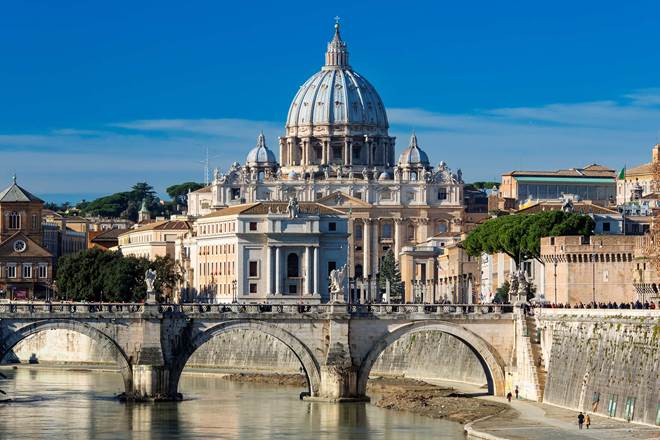
Sistine Chapel
One of the most well-known and stunning locations in Vatican City is the Sistine Chapel. The Sistine Chapel is significant both artistically and historically, and it also represents the Catholic Church's authority and influence. The Chapel has hosted numerous significant occasions throughout history, such as the selection of new popes, and it continues to hold a special spiritual significance for Catholics all over the world.
The Sistine Chapel is proof of the beauty and enduring power of art as well as its capacity to fascinate and inspire people of all ages. It serves as a reminder that the best pieces of art have the ability to move people and leave a lasting impression in addition to being stunning to look at.
Anyone with an interest in art, history, or culture must visit this location because it is the origin of Michelangelo's famous murals. This article covers the Sistine Chapel's history, Michelangelo's artwork, and tips for maximizing your visit to this magnificent work of art.
History of the Sistine Chapel, Vatican City
The Sistine Chapel is located inside the Apostolic Palace, which serves as the Pope's official home in Vatican City. Pope Sixtus IV, from whom the chapel derives its name, constructed it between 1477 and 1480. The Sistine Chapel was built with the intention of serving as the pope's private chapel, and it is still used for religious services today.
The Chapel's artwork has a long history. Pope Julius II commissioned the ceiling frescoes in 1508, and Michelangelo, who was already well-known for his sculptures at the time, was given the job. Working on a scaffold set up below the ceiling while lying on his back, Michelangelo finished the project over the course of four years, from 1508 to 1512.
Despite the difficulties, Michelangelo created a magnificent work of art that has mesmerized tourists for ages. Some of the greatest pieces of art in human history are his ceiling frescoes in the Sistine Chapel. They exhibit Michelangelo's extraordinary aptitude for perspective, anatomy, and composition.
A team of Renaissance artists, notably Sandro Botticelli, Pietro Perugino, and Domenico Ghirlandaio, produced the murals that cover the walls of the Sistine Chapel in the late 15th century. The Old and New Testament events represented in the paintings include the creation of Adam and Eve, the history of Noah, and the Last Judgment.
The Chapel has been significant in the development of the Catholic Church. Numerous papal conclaves, in which the cardinals assemble to elect a new Pope, were held there. Numerous other important occasions also took place there, including Pope John Paul II's first public mass in 1978.
Artwork of the Sistine Chapel in Vatican City
A masterwork of Renaissance art is the Sistine Chapel's artwork. Nine scenes from the Book of Genesis, beginning with the world's genesis and concluding with the story of Noah, are shown in the ceiling frescoes. The Creation of Adam, in which God and Adam are seen reaching out to one another and nearly touching, is perhaps the most well-known scenario.
The Sistine Chapel's frescoes show scenes from the Old and New Testaments, as well as the lives of Christ and Moses, and the Last Judgment. The Last Judgment, which fills the full wall behind the altar, is unquestionably the most well-known painting on the walls.
Some of the greatest pieces of art in human history are the paintings made by Michelangelo on the Sistine Chapel ceiling. Michelangelo's extraordinary talent for anatomy, perspective, and composition is on full display in the frescoes. His paintings of people are astonishingly realistic, and they show a wide spectrum of emotions in their expressions.
The vibrant hues of Michelangelo's frescoes are among their most striking features. The colorful frescoes' colors have been exquisitely preserved and are just as lively now as they were when they were initially created more than 500 years ago. The use of color gives the artwork a sense of vibrancy and energy that is simply breathtaking.
Visiting the Sistine Chapel
The Sistine Chapel is certainly worth the effort, but it does require some patience due to the sometimes-overwhelming crowd. Visitors are asked to act respectfully when within the Chapel because it is a beautiful and peaceful site. The Sistine Chapel is a must-visit location in Vatican City regardless of your interests in art, history, or simply the magnificence of human creation.
A rigorous dress code is required for visitors to the Sistine Chapel. Men must wear long pants and sleeved shirts, and women must wear modest clothing with their shoulders covered. Miniskirts, tank tops, and shorts are not permitted.
Visitors are urged to put their cell phones and cameras away and refrain from speaking within the Chapel. Visitors must maintain a reverent attitude and are not permitted to take photos within the Chapel.
You must obtain a ticket to the Vatican Museums in order to access the Sistine Chapel. The Vatican's extensive collection of artwork and antiquities can be found along a long path that leads to the Sistine Chapel. It takes about 30 minutes to walk from the entrance to the Chapel, depending on how much time you spend enjoying the artwork along the route.
For those who want to get the most out of their trip to the Sistine Chapel, there are a variety of tour options available. You can either hire a private guide to walk you through the Vatican Museums and give you a more individualized experience, or the Museums offer guided tours that include a stop at the Sistine Chapel.
It is advised to arrive at the Sistine Chapel early in the day or late in the day if you are coming on your own to avoid crowds. The Chapel can get very crowded, especially during the busiest travel season, and it might be challenging to admire the art when there are so many people there.
How to get to Sistine Chapel, Vatican City
You must enter the Vatican Museums at Viale Vaticano, 103 if you want to see the Sistine Chapel. This is located on the northern outskirts of Vatican City, close to the Prati neighborhood, about 15 minutes walk from St. Peter's Square.
By Metro: Ottaviano is the nearest metro station to the Sistine Chapel. To reach here, you'll need to use the red line, commonly known as Metro Line A.
By Bus: Rome's buses operate often and are reasonably priced. Depending on whatever way you're coming from, there are two bus stations at the Vatican entry. Viale Vaticano/Musei Vaticani is the name given to both. Be careful to take the correct bus route from where you are staying since only line 49 travels here.
Conclusion
In Vatican City, the Sistine Chapel is a popular tourist attraction. Visitors have been fascinated by this magnificent work of art and history for ages. A monument to the talent and originality of Michelangelo and the other Renaissance painters who worked on the Chapel's ceiling and walls are the frescoes, which rank among the greatest works of art in human history. Awed by the exquisiteness and attention to detail of the artwork, visitors to the Sistine Chapel will depart with a fresh understanding of the influence and majesty of Renaissance art.
00 Comments
No comments yet.
Leave a Comment