

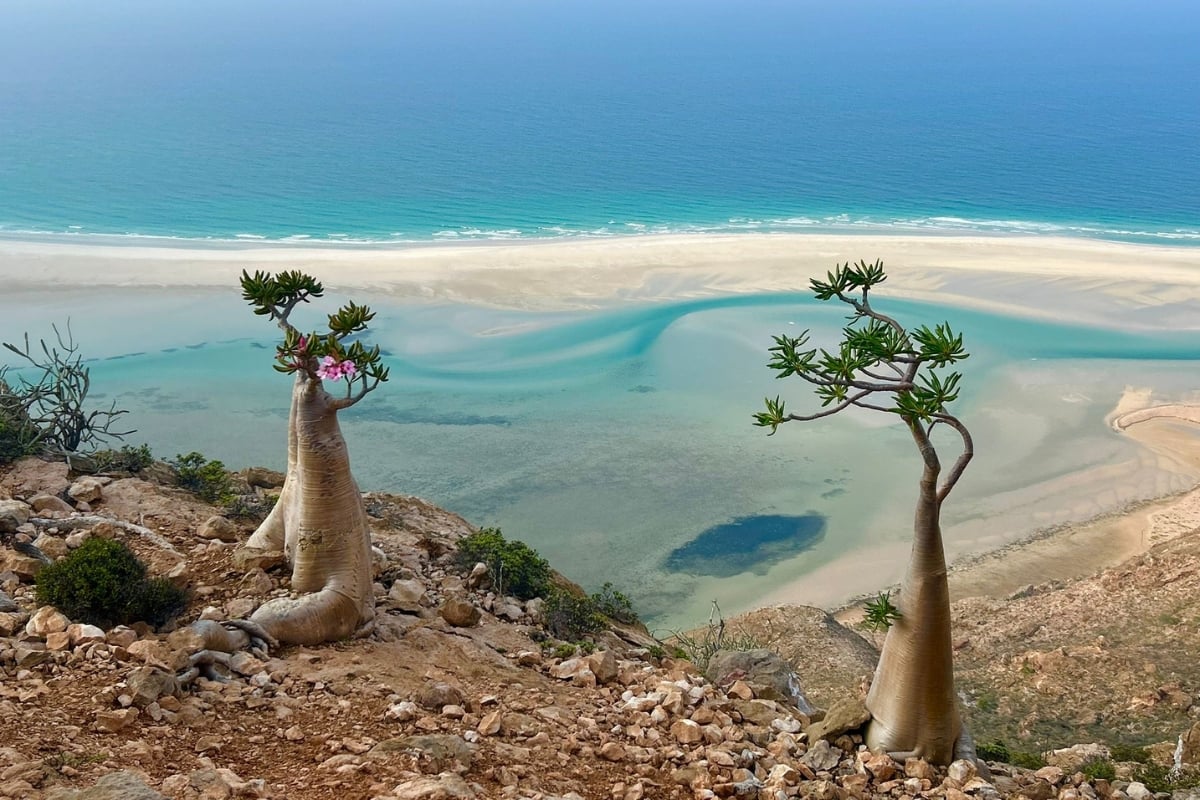
Socotra Island
Introduction
Socotra Island, located in the Arabian Sea off the coast of Yemen, is one of the most extraordinary and mysterious destinations in the world. Often referred to as the “most alien-looking place on Earth,” Socotra is famous for its surreal landscapes, rare plant species, and untouched natural beauty. With over one-third of its plant life found nowhere else on the planet, the island feels like a living museum of evolution.
Despite its remote location and limited tourism, Socotra Island has captured the imagination of travelers, scientists, and nature lovers worldwide. Recognized as a UNESCO World Heritage Site, Socotra offers an unparalleled experience for those seeking adventure, biodiversity, and authenticity far from mass tourism.
Geographical and Environmental Significance
Socotra Island is the largest of the Socotra Archipelago, situated approximately 380 kilometers (236 miles) south of the Arabian Peninsula and about 240 kilometers (150 miles) east of the Horn of Africa. This isolation, lasting millions of years, has allowed unique ecosystems to evolve independently.
The island’s landscape is remarkably diverse, featuring limestone plateaus, rugged mountains, deep canyons, white sand beaches, and turquoise waters. The Hajhir Mountains, rising to over 1,500 meters (4,900 feet), dominate the island’s interior and influence local climate patterns. Seasonal monsoon winds shape Socotra’s environment, bringing periods of strong winds and limited access.
Socotra’s biodiversity is its greatest treasure. Nearly 37% of plant species, 90% of reptiles, and 95% of land snails found on the island are endemic, meaning they exist nowhere else on Earth. This makes Socotra one of the most biologically rich places on the planet.
The Iconic Dragon Blood Trees
The most recognizable symbol of Socotra is the Dragon Blood Tree (Dracaena cinnabari), with its umbrella-shaped canopy and ancient appearance. These trees produce a red resin known as “dragon’s blood,” which has been used for centuries in medicine, dyes, and rituals.
Dragon Blood Trees play a crucial role in Socotra’s ecosystem by providing shade and retaining moisture in the arid environment. However, climate change and overgrazing pose serious threats to their survival, making conservation efforts increasingly important.
Flora and Fauna Found Nowhere Else
Beyond Dragon Blood Trees, Socotra is home to an astonishing variety of rare plants, including the Desert Rose, cucumber tree, and frankincense trees. The island’s wildlife includes endemic bird species such as the Socotra sunbird and Socotra starling.
Marine life surrounding the island is equally impressive. Coral reefs host diverse fish species, dolphins, and even whale sharks, making Socotra an emerging destination for eco-friendly diving and snorkeling.
History and Cultural Heritage
Socotra has been known to ancient civilizations for thousands of years. Historical records suggest that Greek, Roman, Arab, and Indian traders visited the island, attracted by valuable commodities such as frankincense, myrrh, and dragon’s blood resin.
The island’s inhabitants, the Soqotri people, have preserved a unique culture and language distinct from mainland Yemen. Soqotri, an ancient Semitic language, is primarily oral and reflects the island’s long isolation. Traditional livelihoods include fishing, herding, and small-scale agriculture, all closely tied to nature.
How to Visit Socotra Island
Traveling to Socotra requires careful planning. Flights typically operate from Yemen or nearby Gulf countries, depending on political and weather conditions. Tourism on the island is still limited, which helps preserve its fragile ecosystems.
Visitors usually explore Socotra through guided eco-tours that include camping, hiking, and wildlife observation. Infrastructure is minimal, and most accommodations are eco-lodges or tented camps, allowing travelers to fully immerse themselves in nature.
Best Time to Visit
The best time to visit Socotra Island is between October and May, when weather conditions are calmer and access is easier. From June to September, strong monsoon winds make travel difficult and sometimes impossible.
During the ideal travel months, temperatures are pleasant, and the island’s landscapes are at their most vibrant, offering excellent conditions for hiking, photography, and marine activities.
Conservation and Sustainable Tourism
Socotra faces increasing environmental challenges, including climate change, overgrazing, and unregulated development. Conservation organizations and local communities are working together to promote sustainable tourism and protect endemic species.
Responsible travel is essential on Socotra. Visitors are encouraged to respect local customs, minimize waste, and follow eco-tourism guidelines to ensure the island remains preserved for future generations.
Why Socotra Island Should Be on Your Bucket List
Socotra is not a typical vacation destination—it is an expedition into one of Earth’s last truly untouched places. Its alien landscapes, rare biodiversity, and rich cultural heritage offer an experience unlike anywhere else in the world.
For travelers seeking authenticity, adventure, and a deep connection with nature, Socotra Island represents the ultimate off-the-beaten-path destination.
Conclusion
Socotra Island stands as one of the planet’s most extraordinary natural treasures. From its otherworldly trees and pristine beaches to its ancient culture and unmatched biodiversity, the island is a testament to the wonders of evolution and isolation. Though reaching Socotra requires effort, the reward is an unforgettable journey into a world that feels entirely separate from our own.
00 Comments
No comments yet.
Leave a Comment