

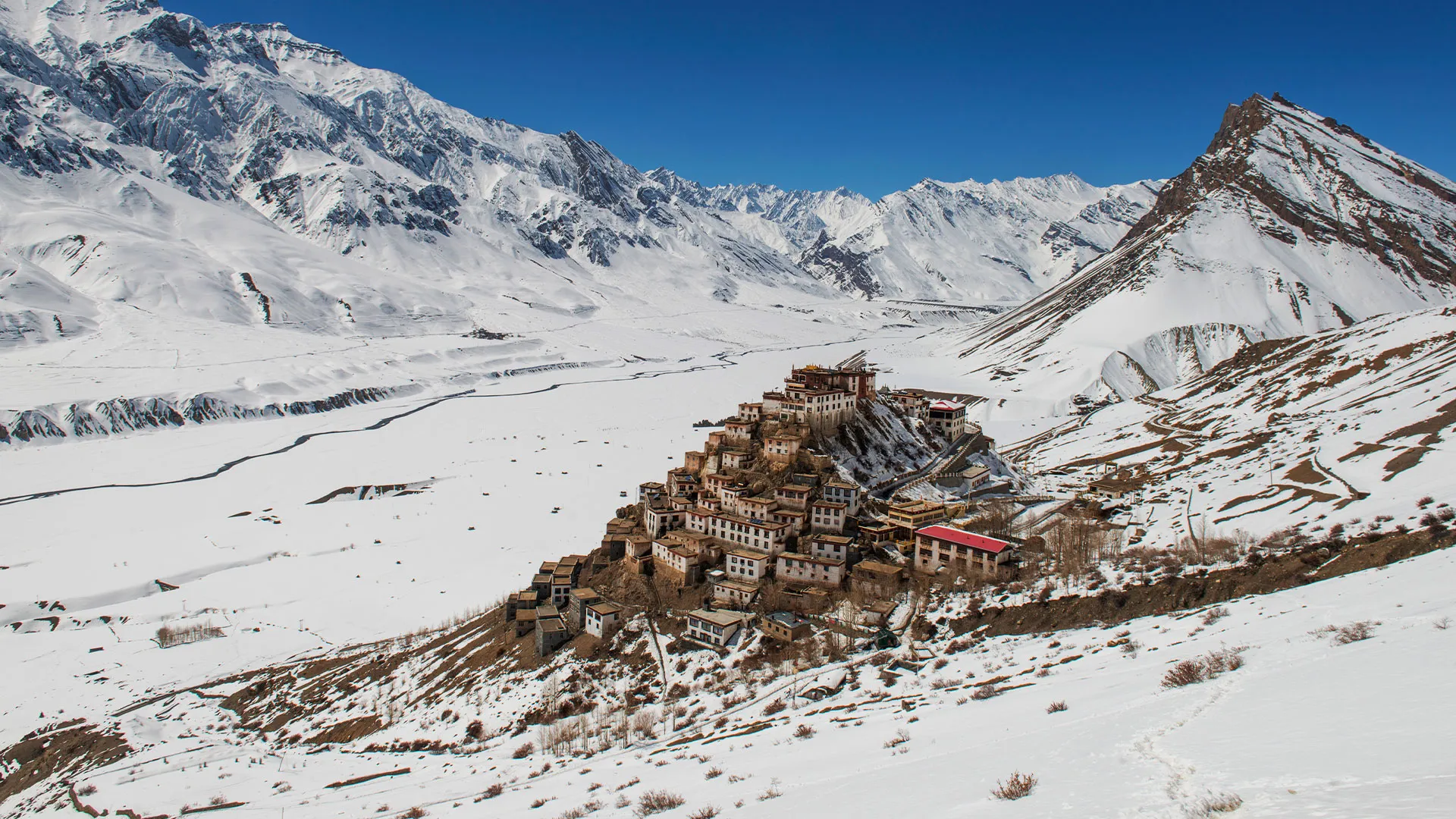
Spiti Valley
Introduction
Tucked away high in the Indian Himalayas, Spiti Valley is one of the most remote and breathtaking destinations in Asia. Known as the “Cold Desert of the Himalayas,” this high-altitude valley is a land of dramatic mountains, ancient monasteries, crystal-clear rivers, and isolated villages untouched by modern chaos.
Located in the northern Indian state of Himachal Pradesh, Spiti Valley offers travelers an extraordinary blend of adventure, spirituality, and raw natural beauty. Surrounded by snow-capped peaks and barren landscapes, the valley feels more like Tibet than mainland India due to its strong Buddhist culture and unique geography.
Far removed from crowded tourist destinations, Spiti Valley attracts explorers, bikers, trekkers, photographers, and spiritual seekers looking for an unforgettable Himalayan experience.
Geography and Environment
Spiti Valley lies in the northeastern part of Himachal Pradesh at an average elevation of over 3,500 meters above sea level. Positioned between India and Tibet, the valley is part of the trans-Himalayan region and is often described as a high-altitude cold desert.
Unlike the lush green valleys commonly associated with the Himalayas, Spiti receives very little rainfall due to the rain shadow effect caused by surrounding mountain ranges. This creates a barren yet spectacular landscape dominated by rugged mountains, rocky cliffs, and vast open plains.
The valley is carved by the Spiti River, which flows through narrow gorges and fertile patches where small villages survive in the harsh environment.
The region experiences long, freezing winters and short summers, making survival challenging yet deeply connected to nature.
Dramatic Landscapes and Mountain Beauty
One of the most captivating aspects of Spiti Valley is its dramatic and ever-changing scenery.
Towering Himalayan peaks surround the valley, creating a surreal landscape of snow-covered mountains and barren desert terrain. The contrast between deep blue skies and earthy mountain colors makes Spiti one of the most photogenic destinations in India.
Among the region’s most iconic landmarks is Chandratal Lake, also known as the Moon Lake. This crescent-shaped alpine lake reflects the surrounding mountains in brilliant shades of blue and turquoise.
Another famous attraction is Kunzum Pass, a high mountain pass connecting Spiti Valley to the Lahaul region. The pass offers panoramic views of glaciers and rugged Himalayan landscapes.
Every road in Spiti feels like a journey through another world, with dramatic cliffs, winding roads, and isolated valleys creating unforgettable scenery.
Ancient Monasteries and Buddhist Heritage
Spiti Valley is deeply influenced by Tibetan Buddhism, and its monasteries are among the oldest and most important in the Himalayas.
One of the region’s most famous spiritual centers is Key Monastery, a stunning hilltop monastery overlooking the valley. Over 1,000 years old, Key Monastery serves as both a religious center and a symbol of Spiti’s cultural identity.
Another important site is Tabo Monastery, often called the “Ajanta of the Himalayas” due to its ancient murals and Buddhist artwork.
These monasteries preserve centuries-old traditions, scriptures, and spiritual practices that continue to shape life in the valley today.
Prayer flags fluttering in the mountain wind and the sound of Buddhist chants create a peaceful atmosphere that defines the spiritual essence of Spiti.
Villages and Local Culture
Despite its harsh climate, Spiti Valley is home to resilient communities that have adapted to life in extreme conditions for centuries.
Villages such as Kibber and Komic are among the highest inhabited settlements in the world.
Traditional mud-brick houses, stone walls, and small farms define the architecture and lifestyle of the region.
The local people maintain strong Buddhist traditions and are known for their warm hospitality despite the isolated environment.
Festivals, local cuisine, and traditional lifestyles offer travelers a deeper understanding of Himalayan culture and survival.
Wildlife and High-Altitude Ecosystem
Spiti Valley’s harsh environment supports a fragile but fascinating ecosystem.
The region is home to rare wildlife species adapted to extreme cold and high altitudes, including the elusive Snow Leopard.
Other animals found in the valley include Himalayan ibex, blue sheep, red foxes, and various bird species such as golden eagles.
The surrounding mountains and protected areas provide important habitats for these species, making Spiti a significant destination for wildlife enthusiasts and conservationists.
The stark beauty of the landscape highlights the remarkable resilience of life in the Himalayas.
Adventure and Exploration
Spiti Valley is one of India’s premier destinations for adventure tourism.
Road trips through the valley are legendary among bikers and off-road travelers due to the dramatic mountain roads and challenging terrain.
Trekking routes lead through remote villages, high-altitude passes, and hidden valleys offering breathtaking Himalayan views.
Camping beside alpine lakes, river rafting, and mountain photography are also popular activities.
The valley’s remote nature creates a sense of exploration rarely found in more commercial tourist destinations.
For adventure seekers, Spiti offers both excitement and solitude in equal measure.
Sustainability and Responsible Tourism
As tourism grows in Spiti Valley, sustainability has become increasingly important.
The fragile mountain ecosystem is highly sensitive to pollution and climate change. Local communities and environmental organizations encourage eco-friendly tourism practices, including waste reduction and responsible trekking.
Homestays and locally operated guesthouses help support sustainable economic development while preserving traditional culture.
Visitors are encouraged to respect local customs, conserve water, and minimize environmental impact.
Protecting Spiti’s natural and cultural heritage is essential for preserving its unique character.
Best Time to Visit Spiti Valley
The best time to visit Spiti Valley is between May and October, when roads are open and weather conditions are relatively stable.
Summer brings pleasant daytime temperatures and clear skies, ideal for road trips and trekking.
Winter transforms the valley into a frozen wilderness with heavy snowfall and extreme cold, attracting experienced adventurers and snow leopard trackers.
Each season offers a completely different perspective of Spiti’s beauty.
Transport and Accessibility
Spiti Valley can be reached via two main routes—through Manali or Shimla.
The Manali route passes through high mountain passes such as Kunzum Pass and is open mainly during summer, while the Shimla route remains accessible for longer periods.
Travel within the valley is primarily by road, with rugged terrain requiring careful driving and preparation.
Despite challenging access, the journey itself is considered one of the most scenic road trips in the Himalayas.
Why Visit Spiti Valley?
Spiti Valley offers a travel experience unlike anywhere else in India. Its dramatic landscapes, ancient monasteries, and remote Himalayan culture create a destination filled with beauty, spirituality, and adventure.
Visitors can explore some of the world’s highest villages, experience Tibetan Buddhist traditions, and witness the raw power of the Himalayas.
For travelers seeking solitude, adventure, and authentic cultural experiences, Spiti Valley is one of the most rewarding destinations on Earth.
Conclusion
Spiti Valley stands as one of the Himalayas’ most extraordinary treasures. From barren mountain deserts and turquoise lakes to centuries-old monasteries and remote villages, every part of the valley reflects resilience, beauty, and spiritual depth.
Far from crowded tourist routes, Spiti offers a journey into a world where nature and tradition remain deeply connected.
For those willing to embrace the challenges of high-altitude travel, Spiti Valley delivers an unforgettable adventure through the Cold Desert of the Himalayas—a place where silence, mountains, and spirituality come together in perfect harmony.
00 Comments
No comments yet.
Leave a Comment