

Tallinn
Introduction
Tallinn, the capital of Estonia, is one of Europe’s most fascinating contrasts. At first glance, its cobbled streets, Gothic spires, and fortified walls transport visitors straight into the Middle Ages. Yet beneath this medieval exterior lies one of the most digitally advanced societies in the world. Known for pioneering e-governance, digital citizenship, and tech innovation, Tallinn has earned its reputation as Europe’s Digital Medieval Capital.
Situated along the Baltic Sea, Tallinn blends Hanseatic heritage with Nordic design and forward-thinking innovation. It is a city where ancient towers overlook Wi-Fi-enabled squares and where centuries-old guild houses coexist with startup incubators.
For travelers seeking a destination that merges rich history with modern progress, Tallinn offers a uniquely balanced European experience.
Geography and Environment
Tallinn is located on the northern coast of Estonia, facing the Gulf of Finland. Its strategic maritime position historically connected it to trade routes across Scandinavia, Russia, and Central Europe.
The city’s terrain includes limestone cliffs, coastal forests, and sandy beaches. The Baltic Sea shapes Tallinn’s climate, bringing cool summers and cold winters. Snow transforms the medieval Old Town into a storybook setting, while summer’s long daylight hours invite exploration of parks and seaside promenades.
Green spaces such as Kadriorg Park provide tranquil escapes from the urban center. Tallinn’s compact layout and emphasis on walkability make it easy for visitors to navigate between historical and modern districts.
Landscapes and Heritage
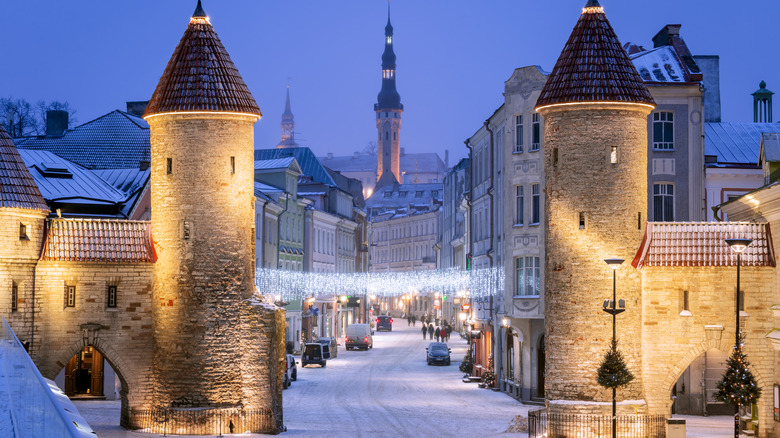
Tallinn’s Old Town is one of Europe’s best-preserved medieval centers and a UNESCO World Heritage Site. Encircled by defensive walls and watchtowers, it retains much of its 13th-century structure.
At the heart of the Old Town stands Tallinn Old Town, characterized by narrow alleyways, red-tiled roofs, and merchant houses. The skyline is dominated by the Gothic spire of St. Olaf's Church, once considered one of the tallest buildings in the world during the 16th century.
Overlooking the lower town is Toompea Hill, home to Toompea Castle, which now houses Estonia’s parliament. The nearby Alexander Nevsky Cathedral reflects Russian Orthodox influence, symbolizing Estonia’s complex history between East and West.
Walking along the preserved city walls and climbing medieval towers offers panoramic views over terracotta rooftops and the Baltic Sea, reinforcing Tallinn’s timeless charm.
Culture and Modern Identity
While Tallinn’s architecture tells stories of Hanseatic merchants and medieval guilds, its cultural identity is distinctly modern and innovative. Estonia regained independence in 1991 and rapidly transformed into a digital society.
Tallinn is often associated with technological progress, including the creation of globally recognized startups and the introduction of e-residency programs. The city’s tech-friendly infrastructure allows residents to conduct most government services online, reinforcing its reputation as a digital pioneer.
Cultural life in Tallinn reflects a blend of Nordic minimalism and Baltic tradition. Contemporary art galleries, design shops, and creative hubs populate areas like Telliskivi Creative City, a former industrial complex turned cultural district.
Seasonal festivals celebrate music, film, and digital innovation, demonstrating Tallinn’s ability to honor its past while embracing the future.
Cuisine of Tallinn and Estonian Flavors
Estonian cuisine draws inspiration from Nordic, Russian, and German influences. Traditional dishes include black rye bread, smoked fish, hearty soups, and pork-based specialties.
Baltic herring, wild mushrooms, and forest berries are common ingredients. During winter, warming dishes such as blood sausage and sauerkraut reflect seasonal traditions.
Tallinn’s culinary scene has evolved significantly in recent years. Modern restaurants reinterpret local ingredients with contemporary techniques, creating a refined Nordic dining experience. Farm-to-table concepts emphasize sustainability and regional sourcing.
Cozy medieval taverns in the Old Town offer traditional meals served in candlelit interiors, while trendy cafés and bistros showcase Estonia’s modern culinary creativity.
Sustainability and Digital Innovation
Tallinn’s identity as a digital capital extends into sustainability and urban planning. The city promotes smart solutions that reduce bureaucracy, enhance efficiency, and improve quality of life.
Public transportation is free for registered residents, encouraging environmentally friendly commuting. Cycling infrastructure and pedestrian zones further reduce traffic congestion in the historic center.
Digital governance minimizes paper usage and streamlines administrative processes. This combination of technological innovation and environmental awareness positions Tallinn as a model for future European cities.
Visitors benefit from free public Wi-Fi across much of the city, reflecting Estonia’s commitment to digital accessibility.
Best Time to Visit Tallinn
Tallinn offers different experiences depending on the season.
- Winter (December to February): Snow-covered streets and Christmas markets create a magical atmosphere.
- Spring (April to June): Mild temperatures and blooming parks make sightseeing comfortable.
- Summer (July to August): Long daylight hours and outdoor festivals energize the city.
- Autumn (September to October): Fewer crowds and colorful foliage enhance the Old Town’s charm.
Summer attracts the most visitors, particularly cruise travelers from the Baltic Sea. However, winter provides a uniquely atmospheric and photogenic experience.
Transport and Accessibility
Tallinn is easily accessible via Tallinn Airport, which connects to major European cities. Ferry routes link the city to Helsinki and Stockholm, making it part of a broader Baltic travel itinerary.
The Old Town is best explored on foot, while trams and buses connect modern neighborhoods and coastal areas. The compact nature of the city ensures convenient navigation for visitors.
Day trips to nearby national parks and coastal villages offer additional opportunities to explore Estonia’s natural beauty.
Why Visit Tallinn?
Tallinn stands apart from other European capitals by seamlessly merging medieval heritage with digital innovation. Few cities can claim both UNESCO-listed fortifications and a global reputation as a tech pioneer.
Its manageable size allows travelers to immerse themselves fully in its atmosphere within a few days. Whether climbing medieval towers, exploring creative districts, or experiencing Estonia’s digital culture firsthand, visitors encounter a city that feels both historic and forward-looking.
Tallinn’s affordability compared to many Western European capitals also makes it an attractive destination for culturally curious travelers.
Conclusion
Tallinn is a city of compelling contrasts. Its cobblestone streets and fortified walls preserve centuries of Baltic history, while its digital infrastructure places it at the forefront of modern governance and innovation.
As Europe’s Digital Medieval Capital, Tallinn offers travelers a rare opportunity to explore a UNESCO-protected Old Town while witnessing how technology can transform society. From Gothic spires and medieval taverns to startup incubators and e-governance systems, Tallinn bridges past and future with remarkable harmony.
For those seeking a distinctive European destination that balances tradition with progress, Tallinn delivers an unforgettable journey into both history and tomorrow.

00 Comments
No comments yet.
Leave a Comment