

Tawang
Introduction
Nestled high in the Eastern Himalayas, surrounded by snow-capped mountains, pristine lakes, ancient monasteries, and breathtaking valleys, Tawang is one of India’s most enchanting and lesser-explored destinations. Often referred to as the “Hidden Buddhist Kingdom of Arunachal,” this remote Himalayan town offers a fascinating blend of spirituality, natural beauty, and rich cultural heritage.
Located in the northeastern state of Arunachal Pradesh, Tawang sits at an elevation of over 3,000 meters above sea level. The town is best known for its magnificent monastery, vibrant Buddhist traditions, dramatic mountain landscapes, and strategic location near the Indo-China border.
Unlike many of India’s mainstream hill stations, Tawang remains relatively untouched by mass tourism, making it a perfect destination for travelers seeking authentic cultural experiences and pristine Himalayan scenery.
For adventure seekers, spiritual travelers, photographers, and nature enthusiasts, Tawang offers an unforgettable journey into one of India's most spectacular mountain regions.
Geography and Environment
Tawang is located in the northwestern part of Arunachal Pradesh, close to the borders of Bhutan and Tibet.
The region forms part of the Eastern Himalayan ecosystem, one of the world's most biodiverse mountain environments. Towering peaks, alpine meadows, dense forests, glacial lakes, and rushing rivers define the landscape.
The climate varies significantly throughout the year. Summers are cool and pleasant, while winters bring heavy snowfall that transforms the region into a winter wonderland.
The area's high-altitude geography creates spectacular panoramic views, with mountains stretching endlessly across the horizon.
Due to its remote location and rugged terrain, much of the region remains remarkably preserved, offering visitors a rare glimpse of untouched Himalayan beauty.
Tawang Monastery – The Spiritual Heart of the Himalayas
The crown jewel of Tawang is undoubtedly the magnificent Tawang Monastery, one of the largest Buddhist monasteries in the world and the largest in India.
Founded in 1680 by Merak Lama Lodre Gyatso, the monastery belongs to the Gelug school of Tibetan Buddhism and serves as a major center of Buddhist learning and spirituality.
Perched on a hill overlooking the valley, the monastery resembles a fortified citadel surrounded by mountains.
Inside, visitors can admire stunning murals, ancient manuscripts, sacred relics, prayer halls, and a towering golden Buddha statue.
The peaceful atmosphere, colorful prayer flags, and rhythmic chants of monks create a deeply spiritual experience that attracts pilgrims and travelers from around the world.
Stunning Himalayan Landscapes
Tawang is blessed with some of the most spectacular mountain scenery in India.
One of the region’s most famous attractions is Sela Pass, situated at an altitude of approximately 4,170 meters. This breathtaking mountain pass connects Tawang to the rest of Arunachal Pradesh and offers incredible views of snow-covered peaks and alpine lakes.
Nearby lies the stunning Sela Lake, often frozen during winter and surrounded by dramatic mountain scenery.
Another natural gem is Madhuri Lake, known for its crystal-clear waters, submerged tree trunks, and picturesque setting.
These pristine landscapes make Tawang one of India's most photogenic destinations.
Rich Buddhist Culture and Traditions
Buddhism shapes nearly every aspect of life in Tawang.
The local Monpa community has preserved its Buddhist traditions for centuries, maintaining strong cultural connections with Tibetan heritage.
Prayer wheels, monasteries, chortens, and colorful prayer flags can be found throughout the region.
Festivals play an important role in community life. The vibrant Torgya Festival features masked dances, religious ceremonies, traditional music, and cultural performances designed to ward off evil spirits and promote prosperity.
Visitors can experience a unique blend of spirituality, hospitality, and cultural authenticity rarely found elsewhere in India.
Historical Significance
Tawang occupies an important place in both religious and modern Indian history.
The region is closely connected to the history of Tibetan Buddhism and served as an important spiritual center for centuries.
Tawang also played a significant role during the Sino-Indian War of 1962, when battles occurred in the surrounding mountains.
Today, memorials such as the Tawang War Memorial honor soldiers who sacrificed their lives defending the nation.
The combination of spiritual heritage and historical importance adds depth to the visitor experience.
Lakes, Waterfalls, and Hidden Natural Wonders
Beyond its famous monasteries and mountain passes, Tawang is home to numerous natural attractions.
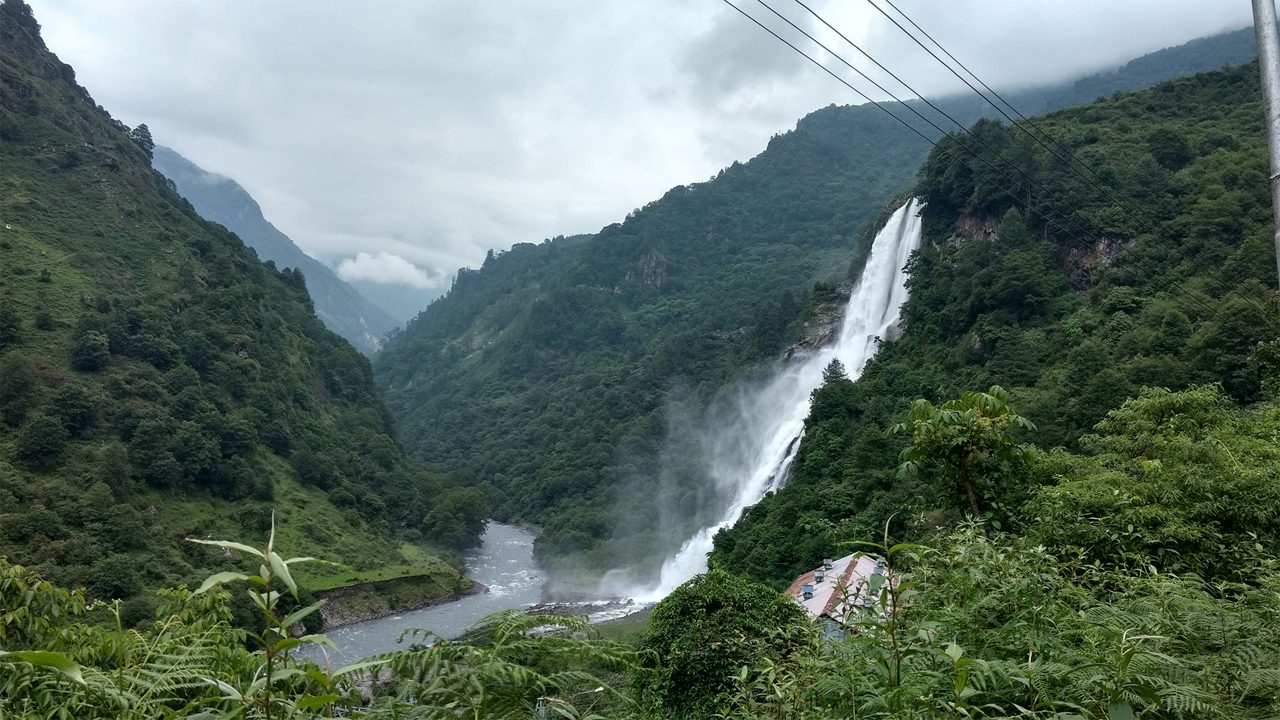
The spectacular Nuranang Falls, often called Jang Falls, cascades dramatically from a height of over 100 meters and is among the most beautiful waterfalls in Northeast India.
Several glacial lakes scattered throughout the region create stunning landscapes that change colors depending on the season and weather.
Remote valleys and alpine meadows offer opportunities for peaceful exploration away from tourist crowds.
The abundance of natural beauty ensures that every journey through Tawang reveals something extraordinary.
Adventure and Outdoor Activities
Tawang is an excellent destination for adventure travelers.
Mountain roads provide thrilling journeys through dramatic Himalayan landscapes, while trekking routes lead to remote lakes, valleys, and high-altitude viewpoints.
Photography enthusiasts will find endless opportunities to capture monasteries, lakes, mountains, and local culture.
Birdwatching and wildlife observation are also popular due to the region’s rich biodiversity.
During winter, snowfall transforms the landscape into a spectacular alpine environment that attracts visitors seeking unique Himalayan experiences.
The combination of adventure and tranquility makes Tawang appealing to a wide variety of travelers.
Wildlife and Biodiversity
The Eastern Himalayas are recognized as one of the world's biodiversity hotspots, and Tawang is no exception.
The surrounding forests and mountain habitats support species such as red pandas, Himalayan black bears, musk deer, and numerous bird species.
Rhododendron forests bloom spectacularly during spring, covering the hillsides with vibrant colors.
The region’s ecological importance highlights the need for ongoing conservation and sustainable tourism practices.
Nature lovers will find plenty to admire in Tawang’s pristine mountain environment.
Sustainability and Responsible Tourism
As tourism grows, preserving Tawang’s cultural heritage and natural environment becomes increasingly important.
Local communities and authorities encourage sustainable tourism practices that minimize environmental impact and support local livelihoods.
Visitors are encouraged to respect religious customs, reduce waste, and protect fragile ecosystems.
Responsible tourism helps ensure that future generations can continue to experience Tawang’s unique beauty and traditions.
Best Time to Visit Tawang
The best time to visit Tawang is from March to June and from September to November.
Spring brings blooming rhododendrons and pleasant weather, while autumn offers clear skies and spectacular mountain views.
Winter attracts travelers seeking snow-covered landscapes and a peaceful atmosphere, though heavy snowfall may occasionally disrupt travel.
Each season offers a unique perspective on Tawang’s beauty and charm.
How to Reach Tawang
The nearest major city is Guwahati, from where travelers typically journey by road through the scenic Himalayan foothills.
The route passes through Bomdila and Sela Pass before reaching Tawang.
The nearest airport is in Tezpur, while helicopter services occasionally connect the region to other parts of Arunachal Pradesh.
Although reaching Tawang requires time and planning, the spectacular journey is an adventure in itself.
Why Visit Tawang?
Tawang offers a rare combination of spirituality, Himalayan beauty, cultural richness, and adventure. Its ancient monastery, snow-covered mountain passes, crystal-clear lakes, and vibrant Buddhist traditions create an experience unlike any other destination in India.
Visitors can explore remote landscapes, discover centuries-old traditions, and experience the peaceful atmosphere of a hidden Himalayan kingdom.
For those seeking authentic cultural encounters and breathtaking mountain scenery, Tawang is one of India’s most rewarding travel destinations.
Conclusion
Tawang stands as one of the most remarkable destinations in the Indian Himalayas. From the majestic Tawang Monastery and dramatic Sela Pass to serene lakes and vibrant Buddhist culture, every aspect of the region reflects beauty, spirituality, and resilience.
Far removed from crowded tourist circuits, Tawang offers travelers an opportunity to experience a side of India that remains deeply connected to tradition and nature.
For adventurers, pilgrims, photographers, and cultural explorers, Tawang truly deserves its reputation as the Hidden Buddhist Kingdom of Arunachal.
00 Comments
No comments yet.
Leave a Comment