

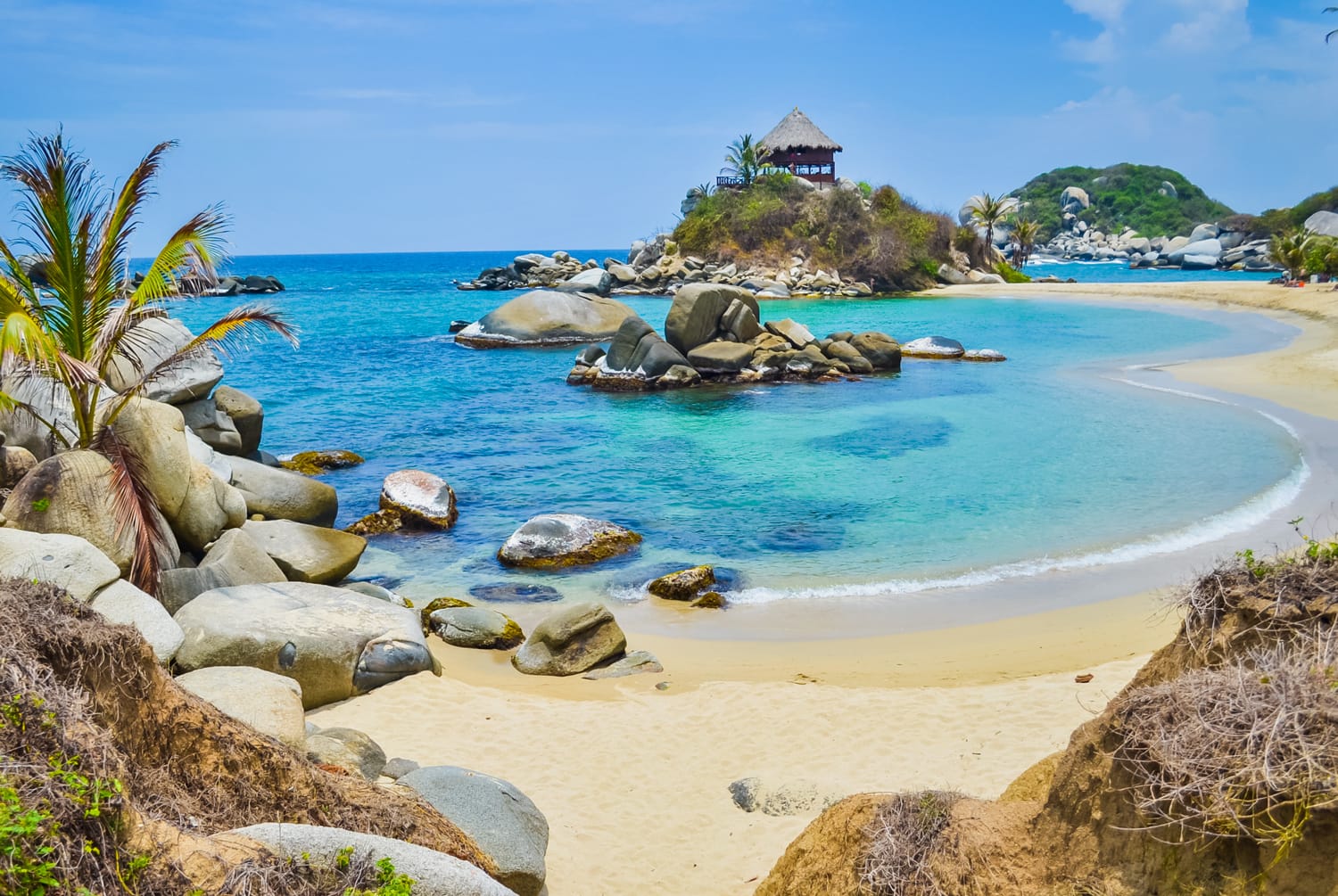
Tayrona National Park
One of Colombia's most attractive locations, Tayrona National Park gives tourists the chance to explore its lovely beaches, coral reefs, and wildlife. Tayrona National Park is a protected area that is tucked away on Colombia's northern coast and is home to stunning natural landscapes, an abundance of wildlife, and a rich cultural past.
Anyone looking for an outdoor adventure must visit the park, which was named after the native people who originally resided there. This article will cover the detailed history of the park, activities to do, the ideal time to visit, and other pertinent information for visitors of the Tayrona National Park.
Tayrona National Park: Overview
Beautiful beaches, coral reefs, deep jungles, and soaring mountains are all included in the Tayrona National Park's terrain. It is a haven for nature lovers and wildlife aficionados, with over 770 types of plants, 300 species of birds, and 103 species of mammals living there.
The park's breathtaking beaches are one of its most notable characteristics. The beaches in Tayrona National Park are among the most stunning in the world, with white sands and crystal-clear waters ideal for snorkeling, swimming, and sunbathing. The park's Playa Cristal, Playa del Muerto, and Cabo San Juan beaches are a few of the busiest.
The coral reefs in the park are especially breathtaking to see because they are teaming up with many kinds of marine life, such as sea turtles, rays, and colorful fish. Visitors can explore the reefs while snorkeling or scuba diving to see the variety of species that exists beneath the water.
The park's deep forests are another top draw since they provide visitors a chance to see the distinctive flora and fauna of the region up close. Numerous animals, including howler monkeys, toucans, sloths, and jaguars, can be found in the forest.
Tayrona National Park: History
The Tayrona National Park is roughly 34 kilometers from Santa Marta in Colombia's Caribbean area. The park is located at the base of the Sierra Nevada de Santa Marta, the world's tallest coastal mountain range, which is covered with snow.
The Tayrona people, who lived in the area for years before the Spanish arrived, are honored in the park's name. Native Americans known as the Tayrona were excellent in farming, fishing, and goldsmithing. Their ancestors continue to reside in the area today, and they founded a number of settlements across the park.
The Tayrona people put up a hard fight against the Spanish conquistadors when they came in the 16th century. The Tayrona were eventually compelled to retreat to the highlands, where they continued to live alone. Through exhibitions and relics on display all across the park, visitors may now get knowledge of the Tayrona people's culture and history.
What to do in the Tayrona National Park in Colombia?
Visitors can take part in a range of activities while experiencing Tayrona National Park. Everyone can find what they're looking for, whether they like rest or action.
The park provides a variety of hiking and trekking possibilities for those looking for excitement. The trek to Pueblito, a former Tayrona town that was abandoned in the sixteenth century, is among the park's toughest hikes. The 2.5-hour trip includes a tough climb, but the spectacular vistas of the surrounding mountains and the Caribbean Sea are well worth the effort.
The trail to the lighthouse, which offers breathtaking 360-degree views of the coast, and the trail to the Arrecifes, which winds through a verdant forest and leads to one of the park's most gorgeous beaches, are two other well-liked hiking routes.
The park's beaches provide lots of chances for swimming, sunbathing, and other leisure activities for those looking for a more laid-back experience. In order to explore the nearby shoreline and neighboring places, visitors can also rent kayaks or go on boat tours. In addition, the park provides a range of guided tours that let guests discover the region's natural beauty while discovering its history and culture.
Camping is one of the most well-liked activities in the park. Several camping places are available in the park, including Cabo San Juan, which provides breathtaking views of the ocean and the jungle. A great approach to get close to the area's natural splendor and really appreciate the tranquil setting is to camp there.
Additionally, there are a number of restaurants and food stands in the park that sells delicious regional food including fresh seafood, empanadas, and arepas. Visitors may experience the local cuisine while admiring the breathtaking surroundings.
Tips for visiting the Tayrona National Park
Remembering that Tayrona National Park is a protected area and that visitors must adhere to various rules and regulations is crucial while making travel plans there. Hunting and fishing are not permitted within the park and visitors must adhere to the approved trails and camping areas.
When visiting the park, it's also important to take the appropriate safety precautions, such as using supportive footwear, drinking enough water, and covering up from the sun and insects.
How to get to the Tayrona National Park in Colombia
From Santa Marta, which is about 34 kilometers distant, Tayrona National Park is easily reachable. From Santa Marta, visitors can take a bus to the park gate, where they can either walk or ride a horse to the park's main attractions.
Best time to visit the Tayrona National Park
In the dry season, which lasts from December to February and from July to September, Tayrona National Park is at its most enjoyable. This is the best time to experience the park's numerous attractions because the weather is pleasant and dry throughout this time.
Conclusion
Tayrona National Park is a breathtaking location that provides tourists with a distinctive fusion of cultural heritage, natural beauty, and adventure. It is understandable why the park is a favorite destination for both tourists and locals with its magnificent beauty, unique fauna, and countless activities. Tayrona National Park is certain to surpass your expectations and leave you with priceless memories of this gorgeous area of Colombia, whether you are looking for a challenging climb, a leisurely beach day, or an intensive cultural experience.
00 Comments
No comments yet.
Leave a Comment