

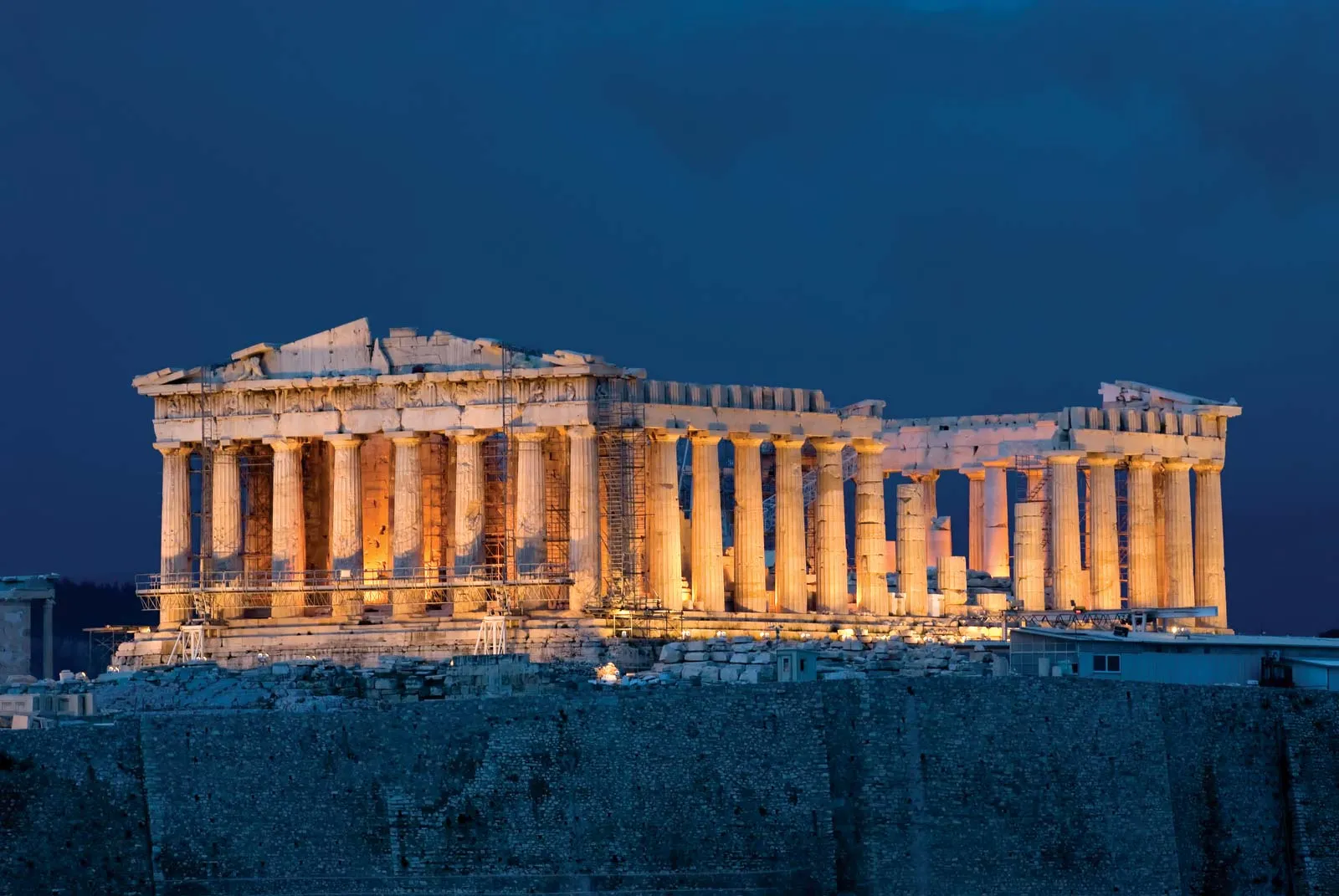
The Acropolis of Athens
The Acropolis of Athens is an ancient fortress built on a hill in the city of Athens. It is one of the most recognizable landmarks in the world, designated as a World Heritage Site by UNESCO. The Acropolis of Athens was home to some of the most important buildings in ancient Greece, including the Parthenon, the Temple of Athena Nike, and the Erechtheion.
It has been through a lot in its more than 2,500-year history. It has been sacked and pillaged, used as a fortress, and even turned into a quarry. Despite all this, it still stands today as a testament to the skill and ingenuity of the ancient Greeks.
The History of the Acropolis of Athens
The Acropolis of Athens is one of the most iconic ancient sites in the world. The history of the Acropolis is long and complex, spanning thousands of years.
The first inhabitants of the Acropolis were the Mycenaeans, who built a fortified citadel on the rocky outcrop in the late Bronze Age. The Mycenaean Acropolis was destroyed by fire around 1200 BC and subsequently abandoned for centuries.
In the Archaic period, a new temple was built on the site of the Mycenaean Acropolis. Later the magnificent Parthenon, constructed under the orders of Pericles in the 5th century BC, replaced it. The Parthenon remains one of the most iconic buildings in Greece to this day.
During the Peloponnesian War, Sparta sacked the Acropolis and destroyed the temples. The site remained in ruins until the golden age of Athens, under Pericles, when it was rebuilt and became home to some of ancient Greece’s most famous sculptures and artworks.
The Acropolis has been inhabited continuously since antiquity and has undergone many changes. Napoleon’s troops captured it in 1801 during his campaign in Greece. It was blown up by explosives planted by a disgruntled Greek rebel leader in 1834. And in World War II, it narrowly escaped being bombed by Allied forces (due to its status as an ancient monument).
Today, the Acropolis is one of Greece’s most popular tourist attractions, with over 1.5 million visitors yearly.
The Architecture of the Acropolis of Athens
The Acropolis of Athens is one of the most iconic ancient buildings in the world. The word ‘acropolis’ actually means ‘upper city’, referring to the fact that this was the highest point in Athens. From here, visitors can see some of the most famous buildings from ancient Greece, including the Parthenon, the Propylaea, and the Erechtheion.
The Parthenon is undoubtedly the most famous building on the Acropolis, built between 447 and 438 BC in honor of Athena, the patron goddess of Athens. The temple is made entirely of marble and features a stunning colonnade of 8 columns at each end and 17 columns along each side.
The Propylaea is a monumental gateway built between 437 and 432 BC. It has six massive Doric columns at each end and 14 Ionic columns along each side. The Gateway was an impressive entranceway to the Acropolis and was designed by architect Mnesicles.
The Erechtheion is a temple built between 421 and 406 BC. It is dedicated to Athena and located next to the Parthenon. The temple features many interesting architectural features, including a portico with six Caryatid columns (columns shaped like female figures).
The Acropolis is a beautiful example of ancient Greek architecture and a must-see for anyone interested in history or architecture.
The Significance of the Acropolis of Athens
The Acropolis, located on a rocky outcrop above the city of Athens, is home to some of the most iconic buildings of the ancient world, including the Parthenon, the Temple of Athena Nike, and the Erechtheion. These buildings are not only significant for their architectural beauty but also for their historical and cultural importance.
The Acropolis was built in the 5th century BC during the height of the Athenian Empire. It was a time of great prosperity and achievement for Athens, and the Acropolis was a symbol of this power and wealth. The temple complex was dedicated to Athena, the patron goddess of Athens, and served as both a religious site and a political center for the city.
Over the centuries, the Acropolis has been through many changes. In 480 BC, Persians sacked it, and then Roman general Sulla in 86 BC. In AD 1687, the attacking Athens of the Morean War, Venetian forces partially destroyed it. Despite all these changes, much of the original architecture of the Acropolis has survived until today.
The Acropolis is one of Greece's most popular tourist destinations, attracting every year millions of visitors. It is an essential part of any trip to Athens and is truly a wonder of the ancient world.
Visiting the Acropolis of Athens
The Acropolis of Athens is Greece's one of the most popular tourist destinations. Here are some tips for visiting the Acropolis of Athens:
· Plan your visit in advance. The Acropolis is open daily from 8 am to 8 pm, but it can get very crowded, especially during summer. It is a good idea to buy your tickets online and arrive early morning or late in the afternoon to avoid crowds.
· Wear comfortable shoes and clothing. The Acropolis is an archaeological site with many stairs and uneven surfaces. Comfortable shoes and clothing will help you enjoy your visit more.
· Bring water and snacks. There are several cafes and restaurants at the Acropolis, but they can be expensive. It is a good idea to bring your water and snacks to stay hydrated and save money.
· Explore all of the different areas. The Acropolis is more than just the Parthenon– there is also the Temple of Athena Nike, the Erechtheion, and much more. Take your time exploring the different ruins and learning about their history.
· Enjoy the view from afar. If you do not want to deal with crowds or stairs, you can still enjoy the scene of the Acropolis from many different spots around Athens. Just look for a vantage point with a clear view.
Conclusion
The Acropolis of Athens is a timeless wonder of the ancient world. The ancient ruins are some of the most well-preserved in the world, and the views from the top are breathtaking. While planning a trip to Greece, you can add the Acropolis to your itinerary.

00 Comments
No comments yet.
Leave a Comment