

The Forbidden City
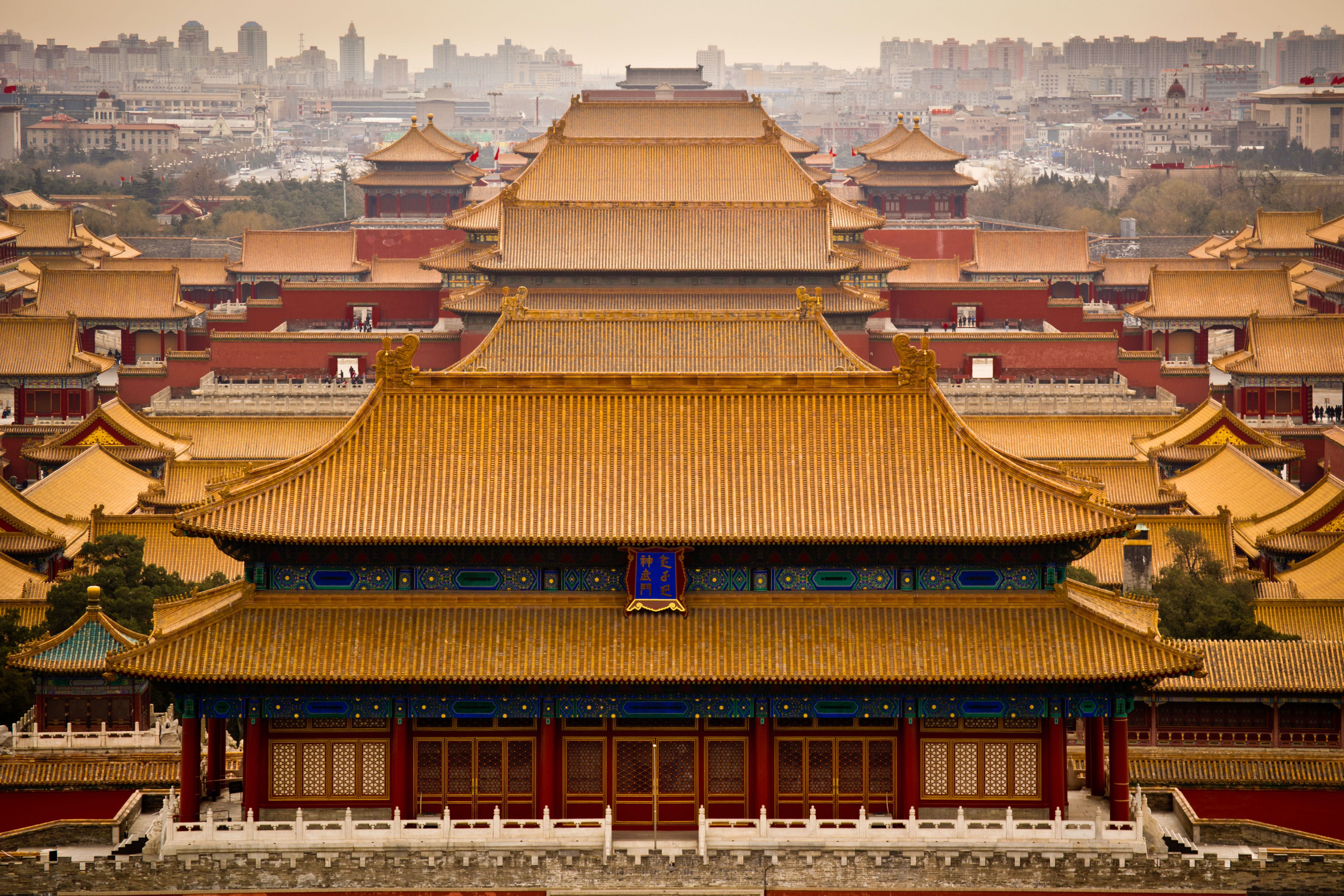
The Forbidden City is a palace complex in Beijing, China. It served as the home of the Emperor and his family. It also served as the ceremonial and political center of the Chinese government for almost 500 years. The complex is the largest ancient palatial structure in the world and houses some of the most valuable collections of art and artifacts in history. It is the most famous place to visit in China.
The palace complex is a prime example of traditional Chinese palatial design and has impacted both East Asian and international architectural and cultural trends. The Forbidden City was declared a World Heritage Site in 1987 and listed by UNESCO as one of the world's largest collections of preserved ancient wooden structures.
The History of the Forbidden City
The Forbidden City, also known as the Imperial Palace, was the Chinese imperial palace from the Ming dynasty to the end of the Qing dynasty. The City, located in Beijing, China, now serves as a museum.
The Forbidden City, built between 1406 and 1420, served as the home of 24 emperors and their families.
The name "Forbidden City" comes from the fact that access was forbidden to anyone who was not a member of the royal family or had official business there. The Forbidden City surrounds a moat and high walls to keep out intruders. The outer wall was even higher and had additional fortifications.
In 1925, the Forbidden City became a museum known as the Palace Museum. It was declared a World Heritage Site in 1987.
The Architecture of the Forbidden City
The Forbidden City was the imperial palace of the Ming and Qing dynasties, located in the center of Beijing. The City covers an area of 720,000 square meters and surrounds a 6-meter wide moat and a 10-meter high wall. The complex consists of 980 buildings and 8,886 rooms.
The architecture of the Forbidden City reflects traditional Chinese aesthetics and symbolism. The most important buildings on a north-south axis have symmetrical designs and grandiose facades. The colors used in the buildings are also significant – red represents good fortune, while yellow is associated with royalty.
The main axis of the Forbidden City runs from south to north and is 2460 meters long. The outer court and the inner court make up its two sections. The outer court was where the Emperor dealt with state affairs and held audiences with officials, while the inner court was the residence of the Emperor and his family.
The southern section of the Forbidden City was reserved for ceremonial purposes, while the northern section was used for everyday life and administration. On either side of the main axis are elaborate parks known as the East and West Imperial Gardens.
The West Imperial Garden covers an area of 60,000 square meters, while the East Imperial Garden covers an area of 33,000 square meters. Both gardens are beautifully landscaped, with ponds, pavilions, trees, flowers, and sculptures.
The Forbidden City is a remarkable example of traditional Chinese architecture and engineering. It has survived centuries of change and is a popular tourist destination today.
Visiting the Forbidden City
When planning a trip to Beijing, a visit to the Forbidden City is a must. The palace complex built in the 15th century was the home of 24 emperors during the Ming and Qing Dynasties. Today, it is one of China's most popular tourist destinations. Every year, millions of people visit the palace to see its magnificent architecture and learn about its rich history.
If you are wondering how to visit the Forbidden City, here are some tips:
· Purchase your tickets in advance. You can buy tickets online or at the ticket office on the day of your visit. However, lines at the ticket office can be long, so it's best to purchase your tickets ahead of time.
· Arrive early. The palace complex opens at 8:30 am, and it's best to arrive as close to opening time as possible. It will help you avoid the crowds and enjoy a more relaxed visit.
· Dress appropriately. The Forbidden City is a religious site, so visitors have to dress modestly. Avoid wearing shorts, miniskirts, or sleeveless shirts. Also, remember to remove your shoes before entering any of the palaces or temples.
· Rent an audio guide. While admission to the Forbidden City is free, audio guides are available for rental at the ticket office (200 RMB). The audio guide provides commentary in English on the various sights within the complex, making it a helpful tool for first-time visitors.
· Explore at your own pace. The Forbidden City has over 8000 rooms. Do not try to see everything at once; instead, take your time and explore the complex at your own pace.
· Visit during the week. The Forbidden City is busiest on weekends and holidays, so if you can, visit during the week. You'll likely have a more enjoyable experience without the crowds.
· Avoid the midday heat. Beijing can be very hot during the summer, so if possible, visit the Forbidden City in the morning or late afternoon to avoid the midday heat.
· Plan your exit strategy. The exit gate of the Forbidden City is on the opposite side of the entrance. Be sure to plan your route.
Conclusion
The Forbidden City is a beautiful historic palace that has been the home of Chinese emperors for centuries. Today, it is one of China's most popular tourist attractions.
While planning a trip to Beijing, be sure to add the Forbidden City to your itinerary. With its grand palaces, temples, and gardens, it is an experience you will not forget.
00 Comments
No comments yet.
Leave a Comment