

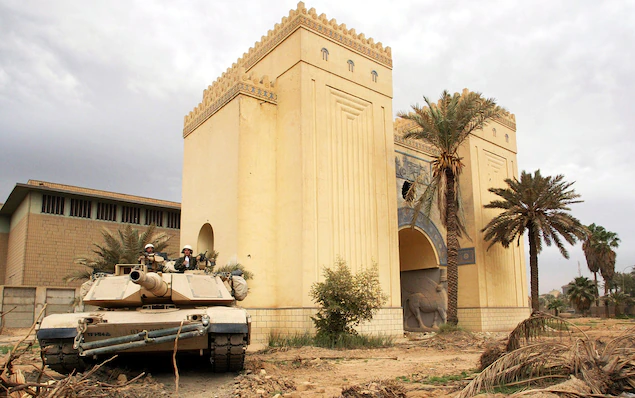
The Iraq Museum
Located in Baghdad, the Iraq Museum is a repository of Mesopotamian art and artifacts. This museum is among the largest museums in the Middle East region.
It was founded in 1922 by the British archaeologist Gertrude Bell. It houses an incredible collection of art and artifacts from the ancient Mesopotamian civilization and other cultures that have existed in the region.
It houses over 150,000 items, including many priceless works of art. The museum has been closed several times due to conflict in Iraq, but it reopened in 2015 after a 10-year renovation. This article will explore the museum's origins, collections, and recent renovations.
The Iraq Museum: History
The Iraq Museum, located in Baghdad, is one of the world's most important museums. The museum was founded in 1922 and has been expanded several times since then. It has over 15,000 items on display, ranging from prehistoric pottery to Islamic manuscripts. The museum also has a library and conservation laboratory.
During the 2003 invasion of Iraq, the Iraq Museum suffered damages, but many of its most valuable pieces were saved, even after it. The museum reopened in 2015 after the renovation. The museum's collection includes some of the most important artifacts from ancient Mesopotamia, including the famous Standard of Ur and the Lion of Nimrud. The museum also has a great collection of Islamic art, including manuscripts, ceramics, and metalwork.
Visitors will be able to see some of the most stunning examples of ancient art and culture in the world.
The Different Sections of the Museum
The museum has four sections: the Pre-Islamic, Islamic, Post-Islamic, and contemporary art sections.
· The Pre-Islamic section contains artifacts from the Sumerian, Akkadian, Babylonian, and Assyrian civilizations.
· The Islamic section includes artifacts from the Umayyad and Abbasid periods.
· The Post-Islamic section contains artifacts from the Ottoman period.
· The contemporary art section includes works by Iraqi artists from the 20th and 21st centuries.
The Museum's Collection
The Iraq Museum is home to a vast and priceless collection of art and artifacts from the country's long and rich history. The museum's collection is a treasure trove from ancient Mesopotamian sculptures to Islamic calligraphy.
The museum's most famous piece is the Warka Vase, a 3,000-year-old Sumerian ceramic vessel considered one of the finest examples of early Mesopotamian art. Other highlights include the Lion of Nimrud, a massive Assyrian sculpture dating back to the 9th century BC, and the Ishtar Gate, a magnificent Babylonian gate covered in glazed blue tiles.
The museum also houses an extensive collection of Islamic art, including some of the finest examples of Arabic calligraphy. Other notable pieces include intricately carved doors from Baghdad's Al-Mustansiriya Madrasa, one of the oldest universities in the world.
The Iraq Museum is truly a treasure trove of art and history and is worth visiting for anyone interested in learning more about this fascinating country.
What to See at the Iraq Museum
The Iraq Museum is one of the most important museums in the world, housing an incredible collection of artifacts and art from the ancient civilizations of Mesopotamia. The museum, located in Baghdad, Iraq, is a must-see for anyone interested in the history and culture of the region.
The museum houses various artifacts from the Sumerian, Babylonian, and Assyrian civilizations, including sculptures, pottery, jewelry, and more. The highlight collection of the museum is the famous Lioness of Ishtar statue, which dates back to 3000 BCE. The museum also has a wide variety of exhibitions on different aspects of Mesopotamian culture and history, making it a great place to learn about this fascinating region.
How to Get There
The museum, located in Baghdad, the capital of Iraq, is in a large park known as the Al-Ghazi Gardens. The museum is easily accessible by vehicle or cab. The museum is near several bus routes.
Conclusion
Anyone interested in art or history must visit the Iraq Museum. With its rich collection of artifacts, the museum offers a glimpse into the past, which is fascinating and enlightening. Although the museum has been through some tough times, it has emerged more beautiful than before. If you have the chance to visit Baghdad, do not miss out on this stunning place.

00 Comments
No comments yet.
Leave a Comment