

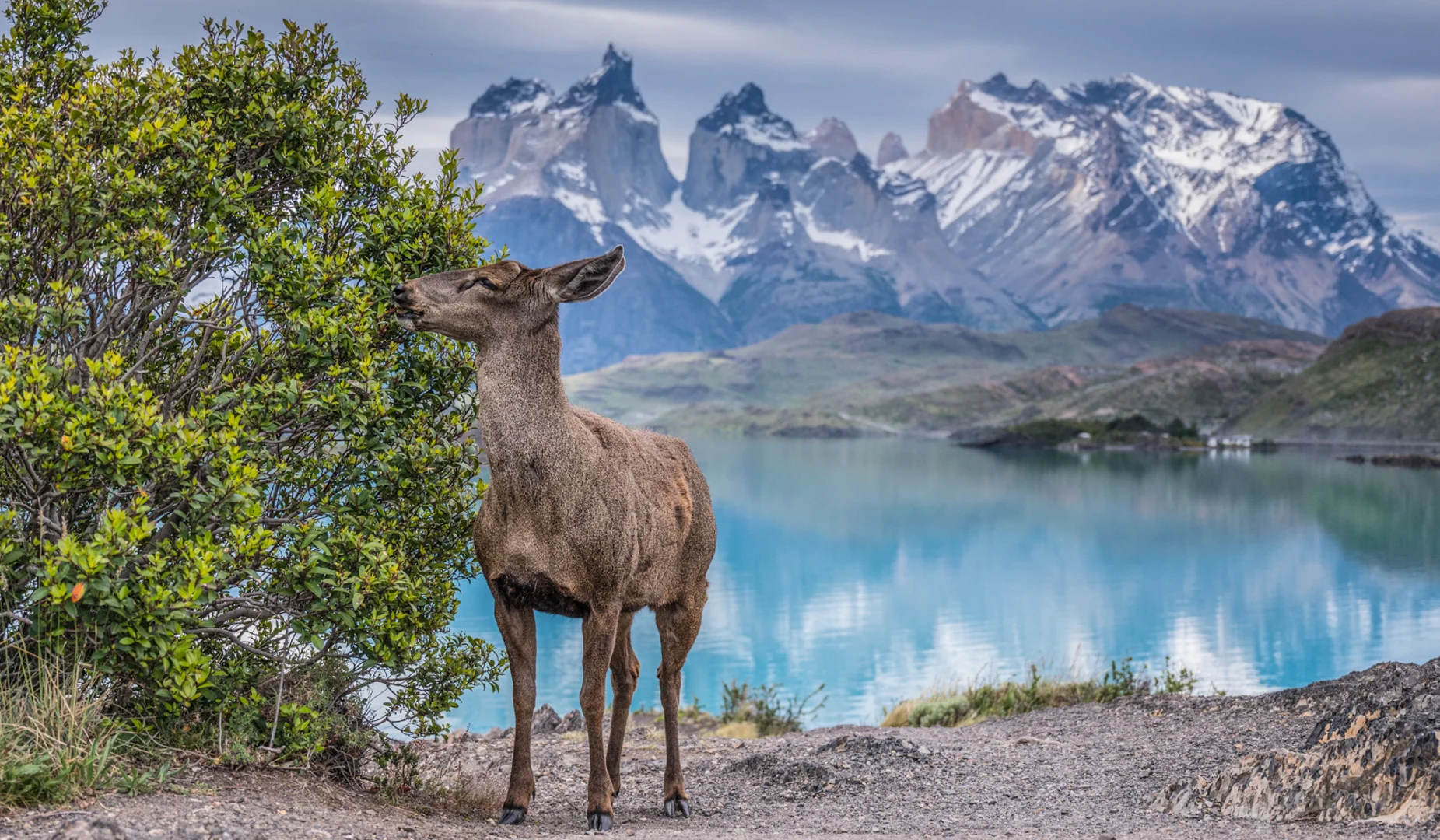
Torres del Paine National Park
Torres del Paine National Park is one of the most well-known regions of Chilean Patagonia. It is a true natural wonder having a location surrounded by woods, steppes, mountains, lakes, and rivers that offer a one-of-a-kind habitat for an adventure experience.
Torres del Paine National Park is located in Chile's deep south, in the Magallanes region. It is 47 miles (75 kilometers) from Puerto Natales and 318 miles (198 kilometers) from Punta Arenas, the region's only metropolis. It is also a part of Chilean Patagonia, an area (not a nation) that encompasses both Chile and neighboring Argentina's southern reaches.
This article covers the history of the park, what you can do and see at the Torres del Paine National Park, the way to reach there, and what is the best time to visit this amazing natural wonder in Chile. So stay connected to get all the information to play your trip to Torres del Paine National Park, Chile!
History of Torres del Paine National Park
The Torres del Paine National Park was originally established in 1959, although it was initially known as Grey Lake National Tourism Park, after the well-known Lake Grey and Glacier Grey. It's the most beautiful glacier rivaling the adjacent Perito Moreno Glacier.
The park's name was altered in 1970, and the present name, Torres del Paine, translates to 'blue towers' in English via a combination of Spanish and the local language. This park was renamed after three towers (Torres) in the Paine Mountain range, and it offers a choice of overnight and multi-night hiking routes, as well as day trips and guided tours.
Things to do: Discover the auras
While planning a trip to Torres del Paine National Park you must know what activities you can do there and what is the best thing that you can capture in your memories and cameras. So let’s have a look at the things to do in the park.
1. Torres del Paine National Park Trails
Hiking is one of the most popular activities in the park and draws the majority of visitors. There are multiple defined routes throughout the park, and visitors are not permitted to deviate from the pathways on their own exploration. Certain areas of the park need the use of a certified guide. You might be amazed to know that camping is permitted in specific places, however wood-burning fires are strictly forbidden.
W Trail: The W hiking track circles the main tourist sites of Torres del Paine. The trek is named for the confluence of three huge areas through which the trail passes: the Ascencio Valley, the Francés Valley, and the Grey Glacier Valley. It is undoubtedly one of the most popular hikes among nature enthusiasts. If you dare to trek through lenga woods, beautiful lookouts, and steep hills on your 4 to 5 days journey, then prepare to challenge yourself to your limits!
O Trail: The "O Trail" offers an extensive and difficult trail along the magnificent Torres del Paine. The 93.2 kilometers hike begins in the Amarga Lake region and encircles the iconic peak fully. If you want to make your trip more thrilling then you must take part in this 7 to 10 days adventure and have the luxury of getting to know sites like the John Garner Pass, the highest point on the circuit at 1,350 meters with a magnificent perspective of the Southern Patagonian Ice Fields.
1. Gray Lake
The Gray Lake is located within the Torres del Paine National Park and is one of Chile's most spectacular postcards. Its seas are coated in ice sediment and massive floating icebergs, making it an International Biosphere Reserve. The lake’s more than 500 meters deep grey waters allow you to kayak and canoe across it.
2. Serrano River Tourism Pavilion
The Serrano River Tourism Mansion offers a wonderful perspective of untouched nature as well as adrenaline-pumping thrills. Explore the beautiful countryside on horseback or by kayaking over its rapids. Taste the excellent Magellanic cuisine, which features fire-pit grilled lamb as the primary attraction. When the day is done, you will be completely rejuvenated by the distinctive calm of its accommodations and the range of therapeutic treatments.
3. Pehoe Lake
Sail along the crystal-clear Patagonian waters of this stunning picturesque lake. Pehoe Lake is a wonderful location for seeing wildlife and sport fishing because it is surrounded by indigenous flora. Relax on its banks and take in the breathtaking vista of the Cuernos del Paine Mountains. If the weather permits, you will be astounded by the reflection of the mountains on the sea, a one-of-a-kind show. A harbour tour is another enjoyable option. Lunch, high tea, sunset drinks, and dinner cruises are among the delectable alternatives. There are also fantastic sailing trips. Fly in a seaplane from Rose Bay or a helicopter from Mascot for a bird's-eye view.
Best way to get to Torres del Paine National Park
The best way to get to Torres del Paine National Park from Puerto Natales is via car. You can take a taxi, a hired car, a bus, or a tour operator.
When to visit the Torres del Paine National Park
The greatest time to explore Torres del Paine National Park is without a doubt from mid-November to early May. Hiking between mid-December and mid-March during this summer hiking season is preferable for optimal weather. Rain and wind are more likely to occur early in the season.
Timings: Monday to Sunday (Open 24 Hours)
Conclusion
Torres del Paine National Park, recognized by UNESCO as a Biosphere Reserve and the eighth wonder of the world in 2013, is clearly a worldwide tourist magnet that enchants for so many reasons that it is impossible to put them into words. Why not visit this wonderful location and see for yourself why it is said to as one of the most beautiful spots on the planet?
00 Comments
No comments yet.
Leave a Comment