

Transylvania
Introduction
Transylvania, a historic region in central Romania, is often associated with vampire legends and Gothic mystery. While the Dracula myth has undoubtedly shaped global perceptions of the region, Transylvania offers far more than fictional folklore. It is a land of medieval towns, fortified churches, dramatic mountain landscapes, and living traditions that have endured for centuries.
Nestled within the arc of the Carpathian Mountains, Transylvania is one of Europe’s most culturally rich and visually captivating destinations. From colorful Saxon villages to imposing hilltop castles, the region blends history, nature, and authenticity in a way few places can match. For travelers seeking medieval charm without overwhelming crowds, Transylvania is a remarkable and underrated European destination.
Geographical and Environmental Significance
Transylvania lies at the heart of Romania, surrounded by the towering Carpathian Mountains. This natural barrier historically protected the region and shaped its distinct cultural identity. Rolling hills, dense forests, alpine meadows, and fertile valleys define the landscape.
The Carpathians are home to some of Europe’s last large populations of brown bears, wolves, and lynx. This biodiversity makes Transylvania an important ecological region, preserving habitats that have largely disappeared elsewhere in Europe.
The region experiences four distinct seasons. Spring and summer bring green hills and wildflowers, autumn transforms forests into golden landscapes, and winter blankets medieval towns in snow, enhancing their fairytale atmosphere.
Landscapes and Heritage
Transylvania’s scenery is as compelling as its history. The Carpathian Mountains provide breathtaking hiking routes and panoramic views, while traditional villages dot the countryside with pastel houses and fortified churches.
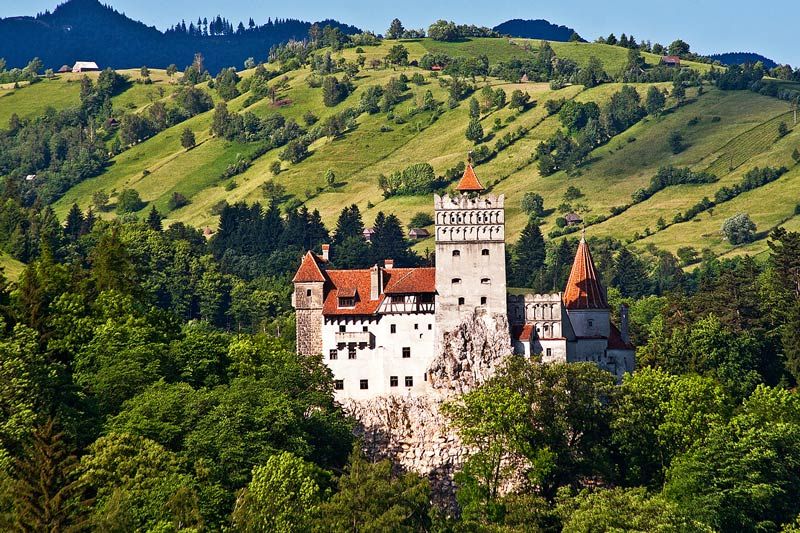
One of the most iconic landmarks is Bran Castle, often linked to the Dracula legend. Although the connection to Bram Stoker’s fictional character is largely symbolic, the castle itself is a striking example of medieval architecture perched dramatically on a rocky hill.
Equally impressive is Corvin Castle, one of Europe’s largest Gothic castles. With its drawbridges, towers, and stone courtyards, it feels like a true medieval fortress.
The region also boasts beautifully preserved towns such as Sighișoara, a UNESCO World Heritage Site and one of Europe’s best-preserved inhabited medieval citadels. Its cobbled streets and colorful houses create a storybook setting that captivates visitors.
Culture and Historical Identity
Transylvania’s cultural identity is shaped by centuries of Romanian, Hungarian, and German (Saxon) influence. This multicultural heritage is reflected in architecture, language, cuisine, and religious traditions.
Fortified churches built by Transylvanian Saxons stand as symbols of community resilience. Villages like Viscri preserve traditional lifestyles, where horse-drawn carts still travel along rural roads and crafts are passed down through generations.
Folklore remains deeply rooted in local culture. Stories of spirits, forest creatures, and legends form part of the region’s intangible heritage. However, beyond the Dracula myth lies a genuine history of medieval trade, craftsmanship, and cultural exchange.
Cuisine of Transylvania
Transylvanian cuisine reflects its multicultural heritage. Traditional dishes include hearty soups, smoked meats, cabbage rolls, and polenta-based meals. Hungarian influences introduce rich stews and paprika-seasoned dishes, while Saxon traditions contribute baked goods and preserved foods.
Local cheeses, homemade breads, and seasonal vegetables are staples in rural areas. In autumn, harvest festivals celebrate regional produce and wines. Dining in Transylvania often feels rustic and authentic, especially in family-run guesthouses and village inns.
The region’s cuisine emphasizes comfort and tradition, perfectly suited to its mountain climate and agricultural roots.
Sustainable Tourism and Rural Preservation
In recent years, Transylvania has gained attention for sustainable tourism initiatives that focus on preserving traditional villages and landscapes. Organizations work to protect historic buildings, promote eco-friendly accommodations, and support local artisans.
Travelers are encouraged to explore rural areas responsibly, respecting cultural norms and minimizing environmental impact. By staying in restored guesthouses and supporting local craftspeople, visitors contribute to the region’s preservation.
Transylvania’s commitment to maintaining its rural charm ensures that modernization does not erase its historical authenticity.
Best Time to Visit Transylvania
The best time to visit Transylvania is during May to September, when temperatures are mild and ideal for sightseeing and hiking. Summer festivals and cultural events bring medieval towns to life.
Autumn offers stunning foliage in the Carpathian forests, making it perfect for photography and scenic drives. Winter, particularly in December, transforms cities like Brașov into magical holiday destinations with festive markets and snow-covered rooftops.
Each season offers a distinct atmosphere, enhancing Transylvania’s timeless appeal.
How to Get Around
Transylvania is accessible via major Romanian cities such as Cluj-Napoca, Sibiu, and Brașov. International flights connect to these hubs, and trains provide scenic routes across the region.
Renting a car offers the greatest flexibility for exploring rural villages and mountain landscapes. Public transport connects major towns, but remote areas are best reached independently.
The relatively short distances between key attractions make it easy to create a well-rounded travel itinerary.
Why Transylvania Belongs on Your Travel Bucket List
Transylvania offers far more than Gothic legends. It is a region where medieval architecture, unspoiled nature, and living traditions coexist harmoniously. The absence of mass tourism in many areas allows visitors to experience authentic European heritage at a relaxed pace.
Whether wandering through cobbled streets, hiking in the Carpathians, or discovering fortified churches, travelers will find depth and diversity beyond expectations.
Transylvania is not simply a destination shaped by myth—it is a real and vibrant cultural landscape waiting to be explored.
Conclusion
Transylvania, Romania, stands as one of Europe’s most enchanting and misunderstood regions. While the Dracula myth may draw curiosity, the true magic of Transylvania lies in its medieval towns, majestic castles, mountain scenery, and multicultural heritage. From Bran Castle to Sighișoara’s citadel, every corner reveals layers of history and authenticity.
For travelers seeking a destination that combines legend, landscape, and living tradition, Transylvania offers an unforgettable journey beyond the myth and into the heart of Eastern Europe.
00 Comments
No comments yet.
Leave a Comment