

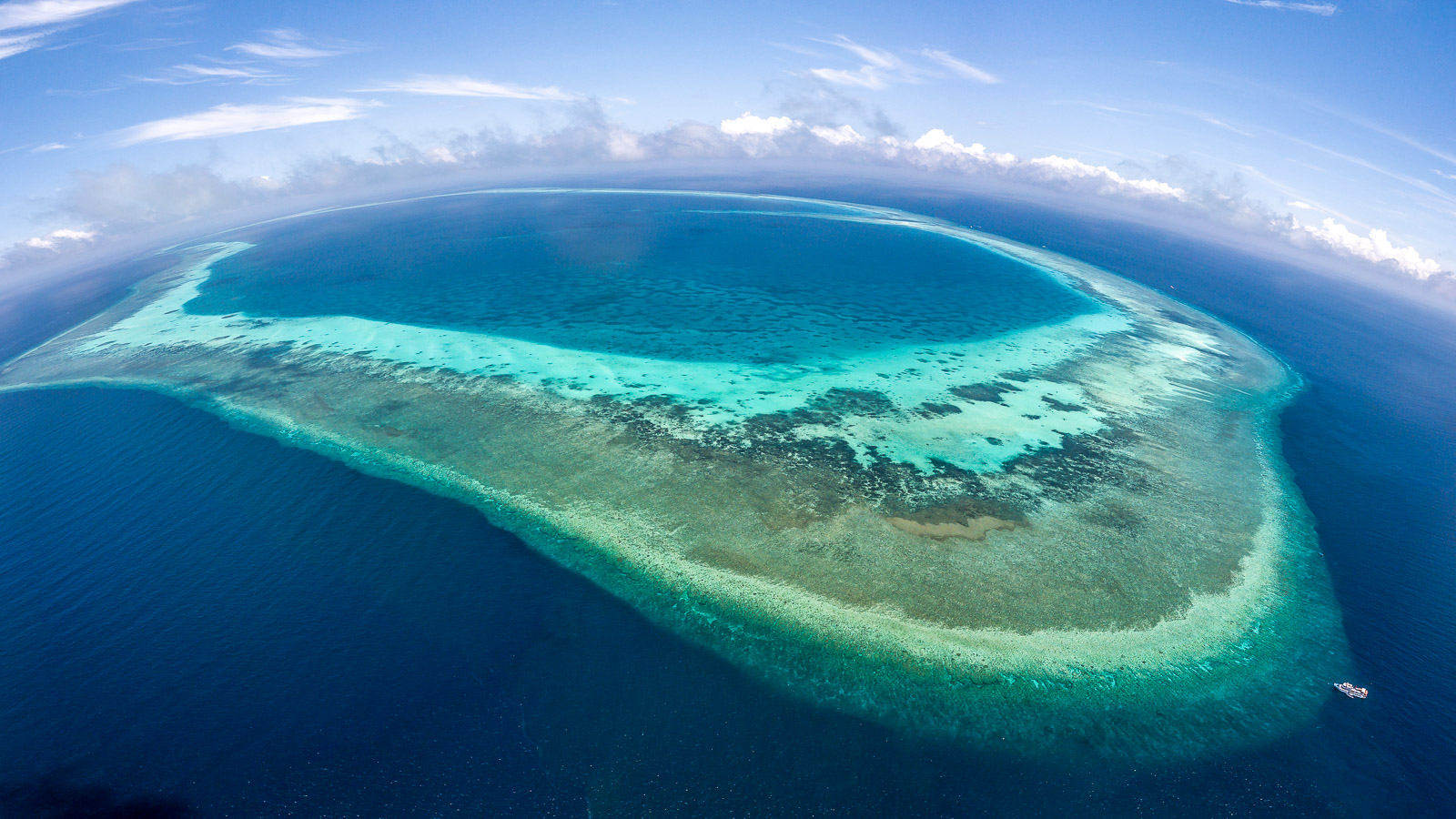
Tubbataha Reefs Natural Park
Introduction
Hidden in the heart of the Sulu Sea, Tubbataha Reefs Natural Park is one of the world's most spectacular marine sanctuaries. Known as Asia's Ultimate Diving Paradise, this UNESCO World Heritage Site is celebrated for its crystal-clear waters, thriving coral reefs, dramatic underwater walls, and extraordinary marine biodiversity.
Located far from the mainland, Tubbataha Reefs Natural Park remains one of the best-preserved coral reef ecosystems on Earth. Its remote location has helped protect its vibrant underwater world, making it a dream destination for scuba divers, underwater photographers, marine biologists, and nature enthusiasts. The park is home to hundreds of coral species, thousands of colorful fish, majestic manta rays, whale sharks, sea turtles, reef sharks, dolphins, and seasonal whale migrations.
Established as a marine protected area in 1988, Tubbataha covers nearly 97,000 hectares of pristine ocean habitat. It consists of two massive coral atolls and a smaller reef, creating an underwater landscape filled with steep drop-offs, lagoons, coral gardens, caves, and thriving reef ecosystems.
Whether you're an experienced diver seeking world-class dive sites or a traveler fascinated by marine conservation, this Tubbataha Reefs Natural Park travel guide will show you why this extraordinary destination deserves a place on every ocean lover's bucket list.
Where Is Tubbataha Reefs Natural Park? Geography and Marine Landscape
Tubbataha Reefs Natural Park is located in the middle of the Sulu Sea, approximately 150 kilometers southeast of Puerto Princesa.
The park consists of:
- North Atoll
- South Atoll
- Jessie Beazley Reef
These isolated coral formations rise dramatically from deep ocean waters, creating one of the richest marine ecosystems in Southeast Asia.
The surrounding waters are exceptionally clear, often providing underwater visibility exceeding 30 meters, making Tubbataha one of the world's finest diving destinations.
Why Is Tubbataha Reefs Natural Park Famous?
Tubbataha is internationally recognized as one of the world's premier diving destinations.
The marine park is famous for:
- UNESCO World Heritage Site
- Spectacular coral reefs
- World-class scuba diving
- Whale shark encounters
- Reef sharks
- Giant manta rays
- Crystal-clear visibility
- Marine biodiversity hotspot
- Healthy coral ecosystems
- Strict marine conservation
Its remarkable underwater biodiversity makes it one of Asia's greatest natural wonders.
History of Tubbataha Reefs Natural Park
For centuries, the reefs remained largely untouched because of their remote location in the Sulu Sea.
Recognizing their extraordinary ecological importance, the Philippine government declared Tubbataha a protected marine park in 1988.
In 1993, the park was designated a UNESCO World Heritage Site, acknowledging its outstanding marine biodiversity and global conservation value.
Continuous protection, scientific research, and strict visitor regulations have allowed the reefs to flourish while serving as a model for successful marine conservation.
Today, Tubbataha stands as one of the healthiest coral reef ecosystems on Earth.
Top Attractions in Tubbataha Reefs Natural Park
North Atoll - A World-Class Dive Destination
The North Atoll is home to some of the park's most famous dive sites.
Divers can explore colorful coral gardens, dramatic underwater cliffs, sea fans, and thriving reef ecosystems.
The area regularly attracts reef sharks, eagle rays, sea turtles, schools of barracuda, and countless tropical fish.
Its exceptional biodiversity makes every dive unique.
South Atoll - Rich Marine Biodiversity
The South Atoll offers spectacular underwater scenery featuring coral walls, caves, overhangs, and vibrant reef formations.
Large pelagic species frequently visit these nutrient-rich waters, creating unforgettable diving experiences.
The atoll also supports nesting seabirds on its small islands.
Jessie Beazley Reef
Located northwest of the main atolls, Jessie Beazley Reef is another outstanding dive site.
Its coral-covered slopes provide excellent opportunities to encounter whale sharks, manta rays, reef sharks, and schools of jackfish.
Strong currents help sustain remarkable marine biodiversity throughout the reef.
Coral Walls and Underwater Drop-Offs
One of Tubbataha's defining features is its dramatic vertical coral walls.
These underwater cliffs descend hundreds of meters into the deep ocean while supporting vibrant coral communities.
Soft corals, giant sea fans, colorful sponges, and thousands of reef fish create breathtaking underwater landscapes.
The dramatic topography makes every dive visually spectacular.
Bird Islets
Several small islands within the park serve as important nesting grounds for seabirds.
Species such as boobies, frigatebirds, terns, and noddies breed here, making the park valuable not only for marine life but also for bird conservation.
These protected islands highlight Tubbataha's ecological diversity.
Marine Wildlife in Tubbataha Reefs Natural Park
Tubbataha protects one of the richest marine ecosystems on Earth.
Visitors may encounter:
- Whale Shark
- Oceanic Manta Ray
- Green Sea Turtle
- Hawksbill Sea Turtle
- Grey Reef Shark
- Blacktip Reef Shark
- Dolphins
- Barracudas
- Napoleon wrasse
- Giant trevallies
- More than 600 fish species
- Over 360 coral species
This exceptional biodiversity places Tubbataha among the world's finest marine protected areas.
Best Things to Do in Tubbataha Reefs Natural Park
Tubbataha offers unforgettable ocean adventures.
Popular activities include:
- Scuba diving
- Underwater photography
- Marine wildlife observation
- Whale shark spotting
- Snorkeling in permitted areas
- Liveaboard cruises
- Birdwatching
- Coral reef exploration
- Marine conservation experiences
- Sunset photography at sea
Every visit reveals a different aspect of the park's extraordinary underwater world.
Marine Conservation and Sustainable Tourism
Tubbataha is considered one of the world's greatest marine conservation success stories.
Strict regulations limit visitor numbers, prohibit commercial fishing, and protect fragile coral ecosystems.
Nearly all visitors arrive aboard licensed liveaboard dive vessels that follow strict environmental guidelines.
Divers are encouraged to maintain proper buoyancy, avoid touching coral, never feed marine life, and minimize plastic waste.
These conservation measures ensure that Tubbataha remains one of the healthiest reef systems on Earth.
Best Time to Visit Tubbataha Reefs Natural Park (Month-by-Month Guide)
The diving season is limited to March through June.
During these months, calm seas and excellent underwater visibility provide ideal diving conditions.
Outside this period, rough ocean conditions make access difficult and the park is generally closed to tourism.
Booking liveaboard trips several months in advance is highly recommended due to limited availability.
How to Get to Tubbataha Reefs Natural Park
The main gateway to Tubbataha is Puerto Princesa.
Travelers typically fly to Puerto Princesa from Manila or Cebu City.
From there, visitors board licensed liveaboard dive vessels that travel overnight to the marine park.
Because there are no hotels or permanent tourist facilities inside the protected area, liveaboard expeditions are the only way to experience Tubbataha.
Essential Travel Tips for Visiting Tubbataha
Careful planning is essential before visiting this remote marine sanctuary.
- Book your liveaboard trip several months in advance.
- Visit during the official diving season.
- Ensure you have appropriate scuba diving certification and experience.
- Bring underwater photography equipment if desired.
- Follow all marine park regulations.
- Never touch coral or marine wildlife.
- Support operators committed to sustainable tourism.
Responsible diving helps preserve this extraordinary underwater ecosystem.
Why Visit Tubbataha Reefs Natural Park?
Tubbataha offers one of the greatest scuba diving experiences on Earth. Its untouched coral reefs, abundant marine life, crystal-clear waters, and thriving underwater ecosystems create a destination unlike any other in Asia.
Whether you're diving alongside reef sharks, photographing colorful coral gardens, encountering whale sharks and manta rays, or simply witnessing one of the healthiest reef ecosystems on the planet, every dive becomes an unforgettable adventure.
For divers, marine photographers, conservation enthusiasts, and ocean lovers, Tubbataha is the ultimate underwater paradise.
Conclusion
Tubbataha Reefs Natural Park is far more than a diving destination - it is one of the world's most important marine sanctuaries. From its vibrant coral reefs and extraordinary marine biodiversity to its world-class dive sites and pioneering conservation efforts, every aspect of the park reflects the incredible richness of the ocean.
Its combination of pristine ecosystems, sustainable tourism, and unforgettable underwater experiences makes it one of Southeast Asia's greatest natural treasures.
For travelers seeking the finest scuba diving and marine wildlife encounters, Tubbataha Reefs Natural Park truly lives up to its reputation as Asia's Ultimate Diving Paradise.
00 Comments
No comments yet.
Leave a Comment