

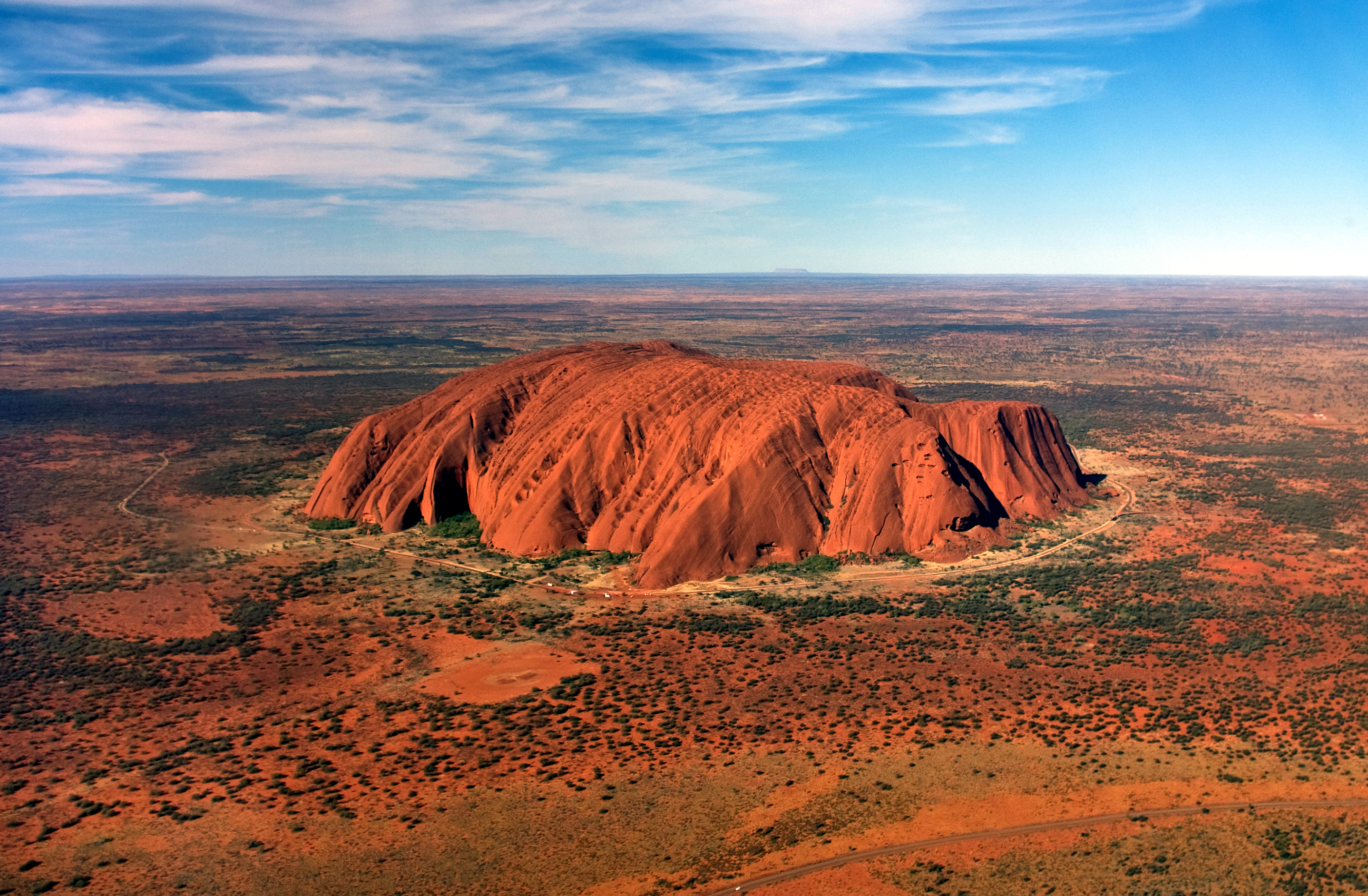
Uluru
Introduction
Rising dramatically from the vast desert plains of central Australia, Uluru is one of the most iconic природal landmarks in the world. Known for its massive size, deep red color, and spiritual significance, this ancient rock formation stands as a powerful symbol of Australia’s природal and cultural heritage.
Located within Uluru-Kata Tjuta National Park, Uluru attracts travelers from across the globe who come to witness its changing colors, learn about its cultural importance, and experience the surrounding desert landscape.
Also referred to as Ayers Rock, Uluru is far more than just a geological wonder. It holds deep spiritual meaning for the Anangu people, the traditional custodians of the land, who have lived in the region for tens of thousands of years.
For visitors seeking a blend of природal beauty, cultural insight, and unforgettable scenery, Uluru offers a truly unique and meaningful travel experience.
Geography and Environment
Uluru is located in the heart of Australia’s Northern Territory, within the vast desert region known as the Outback. The rock rises approximately 348 meters above the surrounding plains and extends deep underground, making it much larger than it appears on the surface.
Formed over 500 million years ago, Uluru is composed primarily of sandstone that has been shaped by erosion and weathering over time. Its distinctive red color comes from the oxidation of iron minerals within the rock.
The surrounding environment consists of arid desert landscapes, including sand dunes, rocky outcrops, and sparse vegetation. Despite the harsh climate, the region supports a surprising variety of plant and animal life.
Nearby lies another important природal formation, Kata Tjuta, also known as the Olgas, which consists of a group of large rounded rock domes that complement the landscape of Uluru.
Unique Landscapes and Natural Features
Uluru is renowned for its changing colors throughout the day. At sunrise and sunset, the rock glows in shades of red, orange, and purple, creating one of the most spectacular природal displays in the world.
The surface of Uluru is marked by caves, fissures, and ancient rock formations that reveal its geological history. These features have been shaped by millions of years of erosion from wind and water.
One notable природal feature is Mutitjulu Waterhole, a permanent water source located at the base of the rock. This site is not only important for wildlife but also holds deep cultural significance for the Anangu people.
Walking trails around the base of Uluru allow visitors to explore its features up close while learning about its history and cultural importance.
Wildlife and Desert Ecosystem
The Uluru region supports a diverse desert ecosystem with species adapted to extreme conditions. Despite limited rainfall, plants and animals have developed unique survival strategies.
Among the notable animals found in the area is the Red Kangaroo, which thrives in the arid environment. Other wildlife includes reptiles, birds, and small mammals.
Bird species such as eagles and parrots can be seen around the rock, while desert plants like spinifex grass and acacia trees provide الغذاء and shelter for wildlife.
The ecosystem is carefully protected to ensure that these species continue to survive in this fragile environment.
Cultural and Spiritual Significance
Uluru is one of the most sacred sites in Australia for the Anangu people. It plays a central role in their culture, beliefs, and traditions.
According to Anangu law, known as Tjukurpa, Uluru was formed during the Dreamtime by ancestral beings whose stories are passed down through generations. These stories are connected to specific features of the rock and surrounding landscape.
Visitors can learn about this cultural heritage through guided tours and interpretive centers that explain the significance of Uluru and its connection to the land.
Climbing Uluru was once a popular activity, but it has been permanently banned out of respect for its cultural importance and to preserve the site for future generations.
Adventure and Exploration
While climbing Uluru is no longer permitted, there are many ways to explore and experience the area.
Walking around the base of the rock is one of the best ways to appreciate its scale and تفاصيل. The base walk covers approximately 10 kilometers and offers views of caves, waterholes, and ancient rock art.
Guided tours led by Aboriginal guides provide deeper insight into the cultural and природal history of the region.
Visitors can also explore the nearby Kata Tjuta formations through hiking trails that pass between the massive domes.
At night, the desert sky becomes a spectacular display of stars, offering excellent opportunities for stargazing due to minimal light pollution.
Sustainability and Conservation
Uluru-Kata Tjuta National Park is jointly managed by the Anangu people and the Australian government. This partnership ensures that conservation efforts respect both природal and cultural values.
Strict guidelines are in place to protect the environment, including restrictions on climbing and designated walking paths to minimize impact.
Sustainable tourism practices encourage visitors to respect the land, follow cultural guidelines, and support local communities.
These efforts help preserve Uluru as both a природal wonder and a sacred cultural site.
Best Time to Visit Uluru
The best time to visit Uluru is during the cooler months from May to September, when temperatures are more comfortable for outdoor activities.
Early morning and late afternoon are the best times to view the rock’s changing colors and avoid the intense midday heat.
Summer months (December to February) can be extremely hot, with temperatures often exceeding 40°C.
Regardless of the season, sunrise and sunset remain the most magical times to experience Uluru’s beauty.
Transport and Accessibility
Uluru is accessible via Ayers Rock Airport, which connects the region with major Australian cities.
The nearest town is Yulara, where visitors can find accommodation, restaurants, and tour services.
From Yulara, it is a short drive to the national park, where visitors can explore Uluru and Kata Tjuta.
Guided tours and shuttle services are available, making it easy to navigate the المنطقة.
Why Visit Uluru?
Uluru offers a travel experience that goes beyond typical sightseeing. Its combination of природal beauty and deep cultural significance makes it one of the most meaningful destinations in the world.
Visitors can witness spectacular desert landscapes, learn about ancient traditions, and connect with a place that holds spiritual importance for its traditional custodians.
The ever-changing colors of the rock, the peaceful desert environment, and the rich cultural heritage create an unforgettable journey.
Conclusion
Uluru stands as one of the most powerful природal and cultural landmarks on Earth. Its विशाल presence in the Australian Outback, combined with its deep spiritual significance, makes it a destination unlike any other.
From its glowing red hues at sunset to its ancient stories passed down through generations, Uluru offers an experience that is both awe-inspiring and deeply meaningful.
For travelers seeking beauty, history, and cultural connection, Uluru remains one of Australia’s most extraordinary destinations—a sacred red rock that continues to inspire and captivate all who visit.
00 Comments
No comments yet.
Leave a Comment