
Traveller

Vienna

Vienna

Introduction

Vienna, the capital of Austria, is a city where imperial grandeur, classical music, and refined culture converge. Once the heart of the powerful Habsburg Empire, Vienna has played a central role in shaping European history, art, and politics for centuries. Today, it stands as one of the world’s most elegant cities, celebrated for its palaces, museums, music halls, and café culture.

Unlike fast-paced modern capitals, Vienna moves with a sense of poise and tradition. Grand boulevards, historic buildings, and meticulously preserved neighborhoods reflect a city deeply proud of its past while embracing a high quality of modern life. For travelers seeking history, culture, and sophistication, Vienna offers a richly rewarding experience.


Geographical and Environmental Significance

Vienna is located in northeastern Austria along the banks of the Danube River, one of Europe’s most important waterways. The city lies at the crossroads of Western and Eastern Europe, a position that historically made it a political, cultural, and economic hub.

Surrounded by the Vienna Woods and fertile plains, the city enjoys a temperate climate with warm summers and cool winters. The Danube not only shaped Vienna’s trade and expansion but also continues to influence its urban landscape, providing green spaces, recreational areas, and ecological balance within the city.


Imperial Architecture and Historic Landmarks

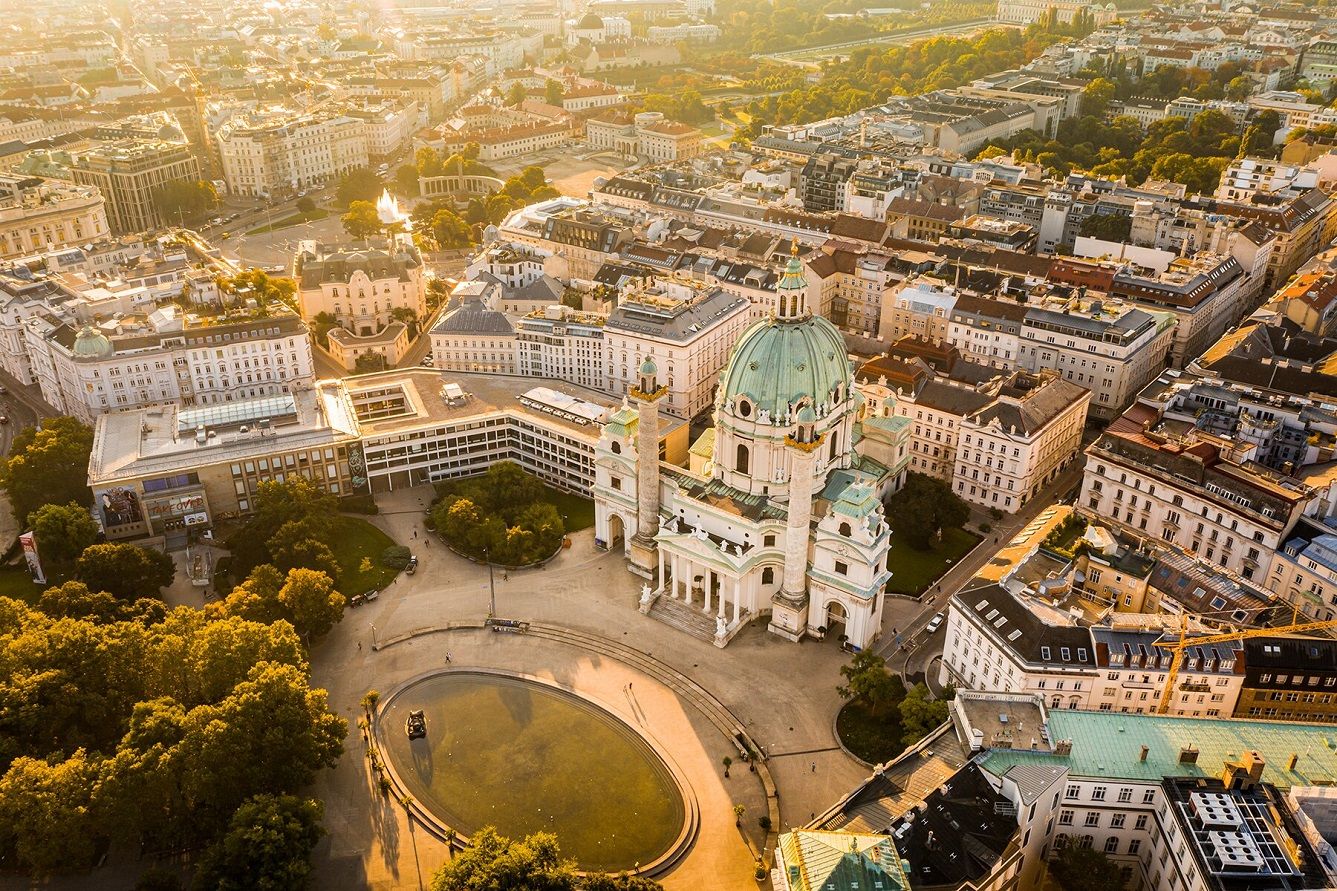
Vienna’s architectural landscape reflects centuries of imperial power and artistic achievement. The Schönbrunn Palace, a UNESCO World Heritage Site, served as the summer residence of the Habsburg rulers and is renowned for its opulent rooms, vast gardens, and historical significance.

Another iconic landmark is the Hofburg Palace, once the seat of imperial authority and now home to museums and the Austrian president’s offices. The St. Stephen’s Cathedral, with its striking Gothic spire and colorful tiled roof, stands at the heart of the city and symbolizes Vienna’s enduring identity.

Walking along the Ringstrasse, visitors encounter grand buildings such as the Vienna State Opera, Parliament, and City Hall, each representing different eras of the city’s imperial past.


Vienna: The World Capital of Classical Music

Vienna’s global reputation as the City of Music is unmatched. Legendary composers including Mozart, Beethoven, Haydn, Schubert, and Strauss lived and worked in the city, leaving behind a musical legacy that continues to define Vienna’s cultural identity.

The city is home to world-famous venues such as the Vienna State Opera, Musikverein, and Konzerthaus, where classical performances remain an essential part of daily life. Music is not confined to concert halls alone—Vienna’s streets, festivals, and institutions echo with centuries of artistic brilliance.


Art, Museums, and Intellectual Heritage

Vienna boasts an exceptional collection of museums and galleries that reflect its artistic and intellectual history. The Kunsthistorisches Museum houses masterpieces by European artists, while the Belvedere Palace is home to Gustav Klimt’s iconic painting The Kiss.

The MuseumsQuartier, one of the largest cultural complexes in the world, blends historic architecture with modern design and contemporary art. Vienna’s long-standing tradition of philosophy, psychology, and science—shaped by figures like Sigmund Freud—adds depth to the city’s intellectual legacy.


Viennese Culture and Café Traditions

Viennese culture is defined by refinement, tradition, and social rituals. The city’s historic cafés are more than places to drink coffee—they are cultural institutions where artists, writers, and thinkers once gathered.

Classic coffee houses such as Café Central and Café Sacher preserve this tradition, offering an atmosphere of quiet elegance. Vienna’s cultural life also includes seasonal balls, operas, and festivals that celebrate music, dance, and formal social customs.


Cuisine of Vienna and Austria

Viennese cuisine reflects imperial influences from across Central Europe. Iconic dishes such as Wiener Schnitzel, Tafelspitz, and Apfelstrudel are deeply rooted in tradition and remain central to the city’s culinary identity.

Vienna is also famous for its desserts, particularly Sachertorte, a rich chocolate cake enjoyed worldwide. Local wine taverns, known as Heuriger, offer regional wines and traditional dishes, providing an authentic taste of Austrian hospitality.


Sustainable Urban Living and Preservation

Vienna consistently ranks among the world’s most livable cities, thanks in part to its commitment to sustainability and urban planning. Extensive public transportation, green spaces, and renewable energy initiatives contribute to a high quality of life.

Historic preservation is taken seriously, ensuring that architectural treasures are maintained while modern infrastructure supports a growing population. This balance between conservation and innovation allows Vienna to thrive without losing its character.


Best Time to Visit Vienna

The best time to visit Vienna is April to June and September to October, when temperatures are mild and cultural events are abundant. Spring brings blooming gardens, while autumn offers a quieter, atmospheric charm.

Winter is also popular, particularly during December, when Vienna’s Christmas markets transform the city into a festive wonderland. Summer offers open-air concerts and vibrant street life, though it can be busier with tourists.


How to Get Around

Vienna has one of Europe’s most efficient public transportation systems, including subways, trams, and buses that connect all major attractions. The city is highly walkable, especially in the historic center.

Vienna International Airport provides excellent global connectivity, making the city easily accessible for international travelers.


Why Vienna Belongs on Your Travel Bucket List

Vienna offers a rare combination of imperial history, musical excellence, cultural depth, and modern livability. Few cities allow visitors to experience such a seamless blend of past and present.

For travelers who appreciate art, music, architecture, and refined urban experiences, Vienna delivers an unforgettable journey into Europe’s cultural heart.


Conclusion

Vienna, Austria, stands as a city shaped by empire, enriched by music, and sustained by tradition. From grand palaces and historic cafés to world-class performances and thoughtful urban design, Vienna offers a travel experience rooted in elegance and cultural depth. Visiting Vienna is not just a tour of a city—it is an immersion into centuries of European heritage that continues to inspire the modern world.

00 Comments

No comments yet.

Leave a Comment

We are offering for you

Featured Articles

Niagara Falls

Niagara Falls is one of the most popular tourist destinations in North America. Every year, millions of people visit Niagara Falls to see the amazing sights and experience the natural wonders of this world-famous destination.

The History of Niagara Falls

Niagara Falls has been a tourist destination for centuries. The first person to visit Niagara Falls was Father Louis Hennepin, a French missionary, in 1678. He wrote about the beauty of the falls, which attracted other European explorers and settlers to the area.

In the early 19th century, Niagara Falls became a popular honeymoon destination for American couples. The popularity of the falls as a tourist destination grew throughout the 19th and 20th centuries. Today Niagara Falls is one of the most popular tourist destinations, attracting millions of visitors each year.

The Different Views of Niagara Falls

There are three different ways to view Niagara Falls: from the Canadian side, from the American side, and from above.

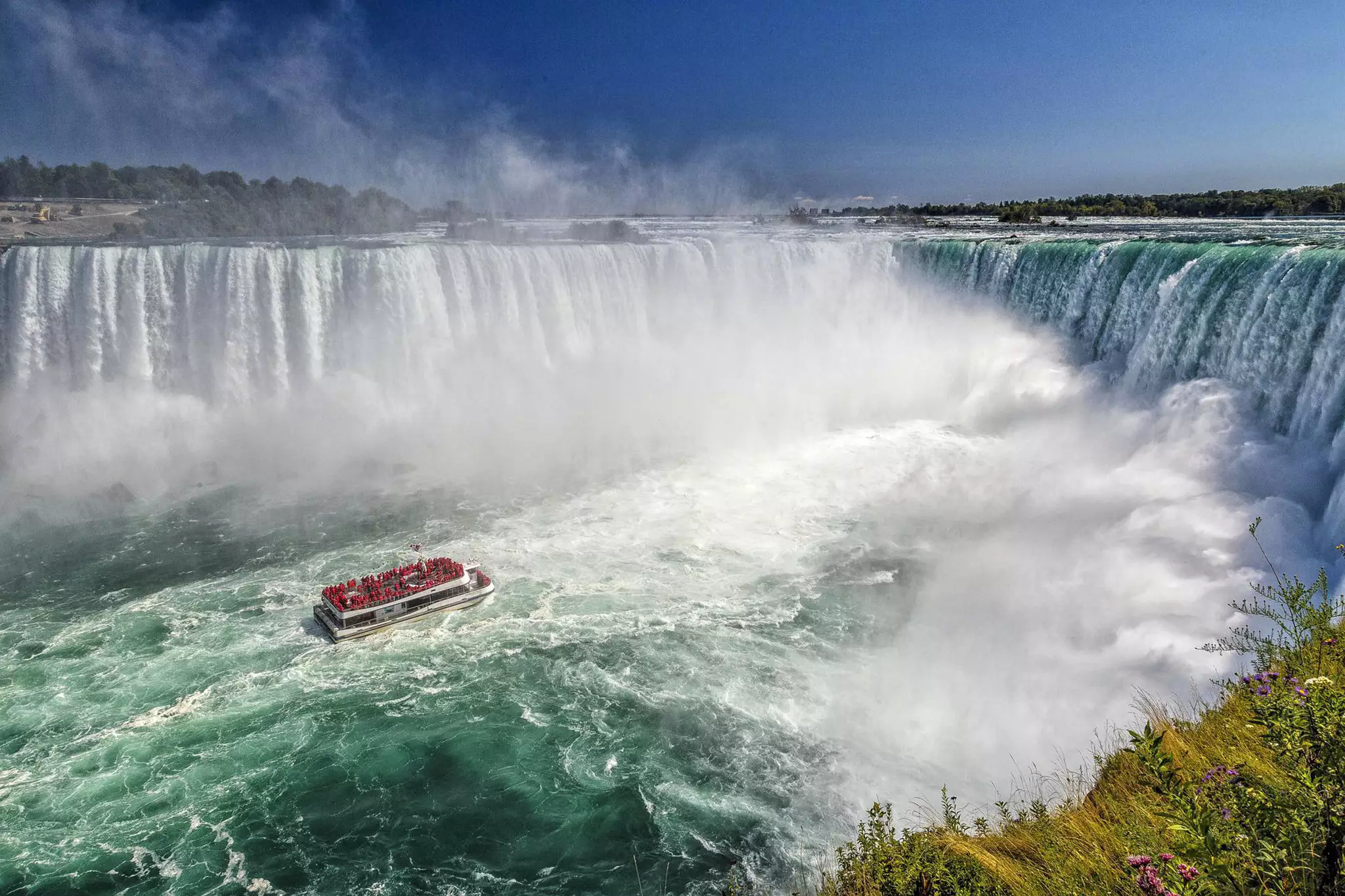
·        The Canadian side offers the best views of Niagara Falls. There are several observation decks, viewing areas, and a boardwalk that takes you right to the edge of the falls. You can also take a ride on the Maid of the Mist boat tour, which gets you up close and personal with the falls.

·        The American side offers different views of Niagara Falls than what you will see from the Canadian side. The most popular spot to view Niagara Falls on the American side is Goat Island, where you can walk out to the edge of Horseshoe Falls. Another great spot for views is Prospect Point Park, where you can get a bird’s eye view of all three waterfalls.

·        For something truly unique, take a trip aboard the Niagara Gorge Railway and enjoy panoramic views of Niagara Falls from above. It is a great way to see all three waterfalls at once and get an idea of how massive they are.

The Edge of the Niagara Falls

The edge of the falls is the best place to see the power of the water as it tumbles over the precipice. Several observation decks along the Niagara Gorge offer breathtaking views of the falls. The Rainbow Bridge, which spans the gorge just upstream from the falls, is a popular spot for picture-taking and boasts an up-close view of both the American and Horseshoe Falls.

Daredevils of Niagara Falls

Since the early days of Niagara Falls, people have been drawn to its raw power and beauty. Over the years, many have attempted to conquer the falls, often with tragic results. Here are some of the most famous (or infamous) daredevils who have taken on Niagara Falls:

·        Annie Edson Taylor was the first person to go over Niagara Falls in a barrel. She did it on her 63rd birthday in 1901 to achieve fame and fortune. Thankfully, she survived the stunt and lived to tell the tale.

·        Bobby Leach was the second person to went over Niagara Falls in a barrel. He did it in 1911 and also survived. Later he performed other stunts, including walking across a tightrope stretched over the falls.

·        Charles Stephens attempted to go over Niagara Falls in a barrel in 1920 but died during the attempt. His body is still missing.

·        Red Hill Sr., along with his son Red Hill Jr., became the first (and only) father and son duet, who went over Niagara Falls together in a barrel. They did it in 1951, and both survived.

·        Nik Wallenda became the first person to walk across Niagara Falls on a tightrope in 2012. He completed the stunt, which was televised live around the world.

How to get to Niagara Falls

Niagara Falls are located on the border between the United States and Canada, so there are a few different ways to reach them depending on your location.

If you are coming from the United States, the easiest way to get to Niagara Falls is by car. Several highways lead right to the falls, and once you cross the border into Canada, signs will point you in the right direction.

If you are coming from Toronto or another Canadian city, you can take a bus or train to Niagara Falls.

Once you arrive in Niagara Falls, there are plenty of ways to get up close and personal with the falls.

·        You can walk along the edges of the waterfall.

·        You can ride an elevator to the top of one of the falls for an incredible view.

·        You can also take a boat tour that takes you right into the spray of the falls.

Travel Guide for Niagara Falls

While planning a trip to Niagara Falls, there are a few things to know before visiting. Here is a travel guide for sightseers that will help you make the most of your trip:

When to Visit: The best time to visit Niagara Falls is during the summer season when the weather is warm and sunny. However, keep in mind that June through August are also the busiest months at Niagara Falls, so expect large crowds. If you want to avoid the crowds, plan your trip for September or October when the weather is still pleasant.

What to See: There is more to see at Niagara Falls than just the falls themselves. Be sure to take a ride on the Maid of the Mist boat tour for an up-close look at the powerful falls, and do not forget to visit Goat Island for some fantastic views. For something truly unique, check out 'Journey Behind the Falls', where you can stand inside a cave behind the raging waters of Horseshoe Falls.

What to Do: Other than sightseeing, there are plenty of other activities to enjoy at Niagara Falls. Take a walk along one of the many scenic trails, go whitewater rafting or tubing down the rapids, or take a helicopter.

Where to stay when visiting Niagara Falls

The first question you need to ask when trying to find accommodation in Niagara Falls is, how close to the Falls do you want to be?

If your priority is to walk out of your door and see the Falls, then you can stay in hotels like the Niagara Falls Marriott or the Sheraton on the Falls. Both of these come with a high price tag, so if you are looking for something more budget-friendly, there are plenty of other hotels located a little further away from the Falls. These hotels will still give you easy access to all the main attractions.

If you are hoping to do some wine touring, then it might be worth considering staying in Niagara-on-the-Lake. This quaint town, situated right in the middle of Ontario's wine country, offers visitors plenty of options for day trips and activities. There are also several good restaurants and cafes, as well as several bed and breakfasts if you are looking for a more intimate accommodation option.

No matter where you choose to stay, there is no doubt that Niagara Falls is an incredible destination that will leave you with memories to last a lifetime.

Conclusion

Niagara Falls is one of the world's most famous natural wonders and a must-see for any traveler. With its three massive waterfalls, Niagara Falls is one of the most famous waterfalls in the world to be visited once in a lifetime. This travel guide will help you make the most of your visit to Niagara Falls, from where to stay and what to do, to how to best experience this natural wonder. So start planning your trip to Niagara Falls today.