

Vjosa River
Introduction
Flowing through the rugged mountains and green valleys of southern Albania before reaching the Adriatic Sea, the Vjosa River is one of Europe's most extraordinary natural landscapes. Unlike many major European rivers that have been heavily modified by dams, canals, and development, the Vjosa retains a remarkable degree of its natural character.
In 2023, the river and surrounding ecosystem were protected as the Vjosa Wild River National Park, recognized as Europe's first national park specifically centered on a wild river. The protected area covers the Vjosa and major tributaries including the Drino, Kardhiq, Bënça, and Shushica, covering approximately 12,727 hectares.
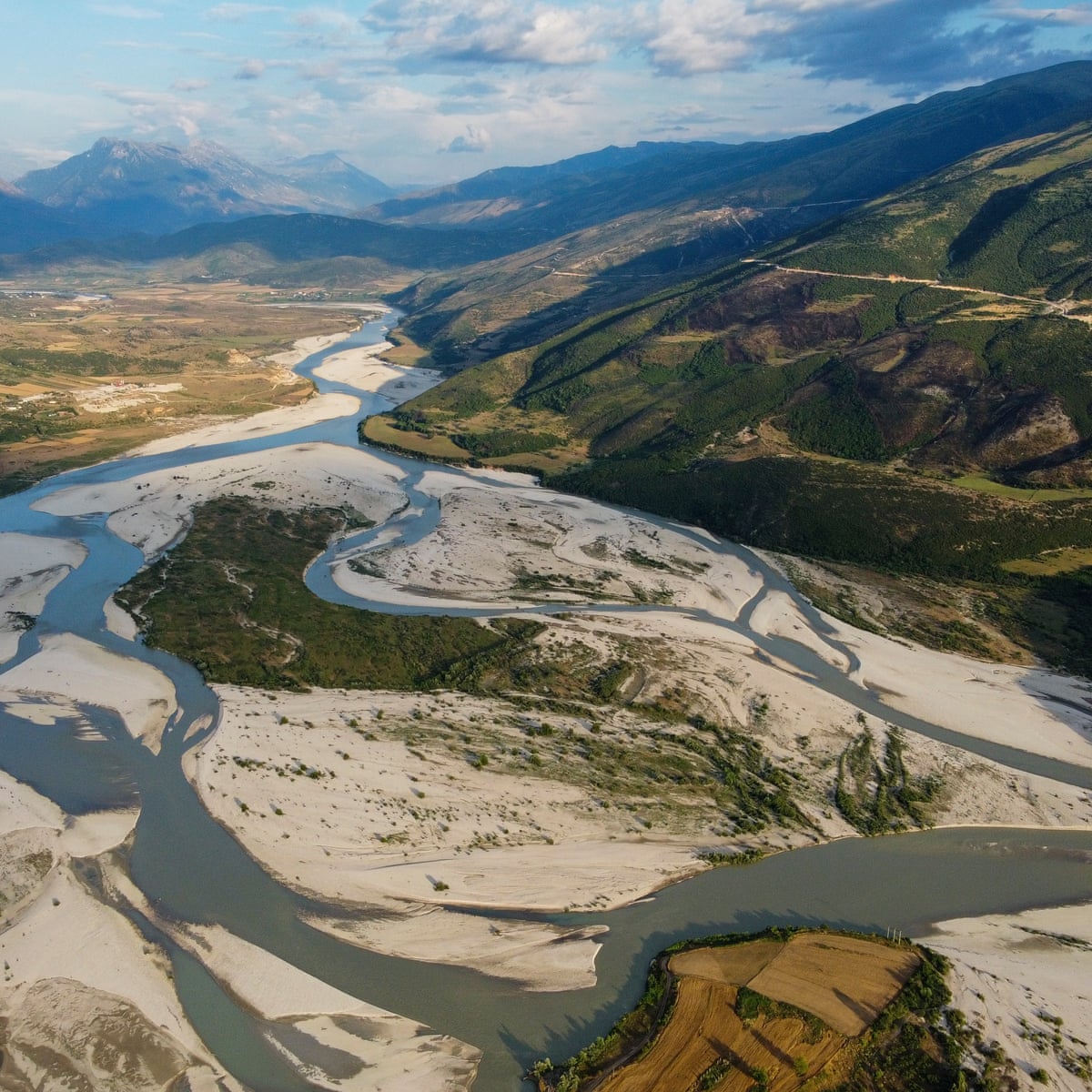
The Vjosa is fascinating because it is not simply a river flowing through a valley. It constantly reshapes its surroundings, creating braided channels, gravel islands, wetlands, forests, river beaches, canyons, and floodplains. This dynamic landscape provides habitats for an extraordinary variety of plants and animals.
In 2025, the wider Vjosa Valley was also designated as a UNESCO Biosphere Reserve, recognizing the ecological importance of its free-flowing river system and the relationship between nature and local communities.
For travelers searching for unique places to visit in Albania, this Vjosa River travel guide explores its wild landscapes, biodiversity, outdoor adventures, nearby cultural treasures, local cuisine, best time to visit, transportation, sustainability, and why this remarkable river deserves a place on Europe's most unusual travel lists.
Where Is the Vjosa River?
The Vjosa River begins in the Pindus Mountains of Greece and flows into Albania before reaching the Adriatic Sea.
The river is approximately 272 kilometers long, with its Albanian section passing through dramatic landscapes around places such as Përmet, Këlcyra, Tepelenë, and the wider Vjosa Valley.
The landscape changes significantly along its journey.
Travelers can encounter:
- Mountain gorges
- Narrow valleys
- Rocky riverbanks
- Braided channels
- Gravel islands
- Floodplains
- Forests
- Wetlands
- River beaches
- Coastal landscapes
This geographical diversity is one of the reasons the Vjosa is considered such an important natural river system.
Why Is the Vjosa River Famous?
The Vjosa is famous because it remains one of Europe's rare large free-flowing river systems.
Its natural channels continue to shift and reshape the surrounding landscape rather than being completely controlled by dams and artificial barriers.
The river is known for:
- Free-flowing waterways
- Wild river landscapes
- Vjosa Wild River National Park
- Rich biodiversity
- Mountain scenery
- River beaches
- Rafting
- Kayaking
- Hiking
- Wildlife watching
- Sustainable tourism
The establishment of the national park in 2023 was a major conservation milestone for Albania and Europe.
Vjosa Wild River National Park
The Vjosa Wild River National Park was officially established in March 2023.
The park protects the entire flow of the Vjosa within Albania together with four major tributaries - the Drino, Kardhiq, Bënça, and Shushica. The protected area covers approximately 12,727 hectares.
The park's purpose goes beyond protecting beautiful scenery.
Its main objective is to preserve:
- Natural river processes
- Wildlife habitats
- River ecosystems
- Native species
- Floodplains
- Forests
- Geological features
- Cultural landscapes
This makes Vjosa an important example of how conservation and nature-based tourism can work together.
A River That Shapes Its Own Landscape
One of the most fascinating things about the Vjosa is its constantly changing form.
Instead of following a single straight channel, sections of the river divide into multiple branches.
These braided channels create temporary islands, gravel bars, wetlands, and new habitats.
During floods, the river can reshape parts of its floodplain.
This natural movement is essential to the ecosystem.
The Vjosa Valley contains river channels, islands, floodplains, riparian forests, wetlands, and coastal lagoons, creating a highly diverse mosaic of habitats.
For visitors, this means the landscape feels alive rather than static.
Këlcyra - Where Mountains Meet the River
The area around Këlcyra is one of the most scenic sections of the Vjosa landscape.
Here, mountains rise dramatically around the river valley, creating a combination of rugged peaks, green slopes, rocky cliffs, and clear waterways.
The surrounding region provides opportunities for:
- Hiking
- Photography
- River exploration
- Scenic drives
- Nature observation
The nearby Këlcyra Gorge adds another dramatic geological feature to the region.
For travelers looking for Albania beyond its beaches, Këlcyra and the Vjosa Valley reveal a much wilder side of the country.
Përmet - Albania's Town of Nature and Tradition
The town of Përmet is one of the best bases for exploring the Vjosa region.
Located beside the river and surrounded by mountains, Përmet combines natural beauty with traditional Albanian culture.
The town is known for:
- Mountain scenery
- Local food
- Traditional culture
- Nearby hiking routes
- River landscapes
- Thermal springs
Përmet is also close to the famous Bënja Thermal Baths, where naturally warm mineral water flows through a beautiful landscape beneath an old stone bridge.
The combination of hiking, river scenery, and thermal bathing makes the area ideal for travelers who want both adventure and relaxation.
Bënja Thermal Baths
One of the most enjoyable experiences near the Vjosa Valley is visiting the Bënja Thermal Baths.
Natural hot springs emerge in a scenic valley surrounded by mountains and greenery.
Several pools allow visitors to relax in warm mineral-rich water while enjoying the surrounding landscape.
The historic Kadiut Bridge, a beautiful Ottoman-era stone bridge, crosses the river nearby.
This creates an unusual combination of:
- Natural hot springs
- Mountain scenery
- Historic architecture
- Clear rivers
- Traditional Albanian landscapes
It is one of the most memorable experiences to add to a Vjosa itinerary.
Rafting on the Vjosa River
Rafting is one of the best ways to experience the Vjosa.
The river's combination of rapids, calm sections, mountains, and natural scenery makes it an exciting destination for adventure travelers.
Rafting trips can provide views that are difficult to experience from the road.
Instead of simply observing the river from its banks, travelers become part of the landscape.
Depending on the season and river conditions, guided trips may include:
- Whitewater sections
- Calm stretches
- Mountain scenery
- River beaches
- Wildlife observation
Visitors should always use experienced local operators and follow current safety guidance.
Kayaking and River Exploration
Kayaking provides another way to experience the Vjosa.
Compared with rafting, kayaking can offer a slower and more intimate way to explore quieter sections of the river.
Paddlers can observe:
- Gravel islands
- Riverbanks
- Mountain reflections
- Birds
- Riparian vegetation
- Small river channels
The exact suitability of different sections depends on water levels and local conditions, so travelers should obtain current advice before entering the river.
Wildlife of the Vjosa Valley
The Vjosa ecosystem supports remarkable biodiversity.
The official Vjosa National Park information records more than 1,100 animal species, including species considered globally threatened.
The wider UNESCO Biosphere Reserve records more than 1,600 plant and animal species, including rare and endangered species.
Wildlife associated with the wider Vjosa ecosystem includes:
- Egyptian vultures
- Dalmatian pelicans
- Otters
- European eels
- Amphibians
- Freshwater fish
- Bats
- Migratory birds
- Numerous insects and invertebrates
The Narta Lagoon and Vjosa Delta are particularly important for migratory birds, including greater flamingos and other waterbirds.
Vjosa Delta and the Adriatic Coast
The Vjosa's journey eventually reaches the Adriatic coast.
Here, the river landscape changes from mountain valleys and braided channels into a complex coastal environment containing wetlands, forests, lagoons, and delta habitats.
The Vjosa Delta is especially important because it represents one of the few relatively natural river-to-sea transitions remaining in Europe.
This connection between mountains, rivers, wetlands, and the sea is one of the Vjosa's greatest ecological strengths.
Vjosa and UNESCO
The Vjosa Valley gained international recognition in 2025 when it was included in the UNESCO World Network of Biosphere Reserves.
UNESCO describes the area as one of Europe's last wild river systems, emphasizing the importance of its freely flowing channels, islands, floodplains, wetlands, riparian forests, and coastal lagoons.
The designation also recognizes the relationship between the natural environment and local communities.
Agriculture, fishing, pastoralism, cultural traditions, and nature-based tourism remain connected to the river system.
Cultural Heritage Along the Vjosa
The Vjosa Valley is not only a natural destination.
The surrounding region contains thousands of years of human history, including archaeological sites, traditional villages, historic bridges, castles, and religious monuments.
One of the most important nearby cultural destinations is Gjirokastër, whose historic center is a UNESCO World Heritage Site.
The famous stone-built city is characterized by:
- Ottoman architecture
- Stone houses
- Narrow streets
- Historic bazaars
- Gjirokastër Castle
- Traditional cuisine
This makes the Vjosa region ideal for combining nature and cultural tourism.
Local Albanian Cuisine
Food is an important part of experiencing the Vjosa Valley.
The region's cuisine reflects a mixture of Albanian, Mediterranean, and Ottoman influences.
Local dishes and ingredients may include:
- Lamb
- Fresh river and coastal fish
- Seasonal vegetables
- Local cheeses
- Homemade bread
- Herbs
- Spinach pies
- Meatball soup
- Mountain honey
- Fruit preserves
The Vjosa National Park's official information highlights regional dishes such as pashaqofte, a meatball soup, and qahi, small spinach pies. In nearby Gjirokastër, visitors can try oshaf, a traditional dessert made with sheep's milk and cinnamon.
Local food adds another layer to a journey through the valley.
Best Things to Do Around the Vjosa River
A Vjosa itinerary can include a surprisingly wide range of experiences.
Popular activities include:
- Rafting
- Kayaking
- Hiking
- Mountain photography
- Wildlife watching
- Birdwatching
- Swimming in suitable areas
- Visiting thermal baths
- Exploring traditional villages
- Visiting castles
- Exploring Gjirokastër
- Scenic road trips
- Camping where permitted
The region is particularly appealing because adventure activities can easily be combined with cultural exploration.
Sustainable Tourism and Conservation
The Vjosa represents a different model of tourism - one where the river itself is the primary attraction and protecting its natural processes is essential.
The national park aims to balance biodiversity protection with sustainable tourism and the needs of local communities.
Visitors can support conservation by:
- Staying on designated routes
- Avoiding litter
- Respecting wildlife
- Using responsible tour operators
- Avoiding damage to riverbank vegetation
- Following camping regulations
- Respecting local communities
- Avoiding unnecessary disturbance to nesting birds
- Choosing locally owned services where possible
The success of Vjosa's conservation model depends partly on ensuring that tourism strengthens rather than damages the communities and ecosystems surrounding the river.
Best Time to Visit the Vjosa River
The best time to visit depends on what you want to experience.
April to June - Spring
Spring brings green landscapes, flowing rivers, wildflowers, and comfortable temperatures for hiking.
It can be an excellent period for nature photography.
July and August - Summer
Summer offers warm weather and excellent conditions for outdoor activities, although temperatures can become hot in the lower valley.
This is a popular period for rafting and exploring the surrounding mountains.
September to October - Autumn
Autumn offers pleasant temperatures, changing vegetation, and fewer visitors.
It is an excellent season for hiking and cultural exploration.
November to March - Winter
Winter is quieter and can provide dramatic mountain scenery, although rainfall and changing river conditions may affect outdoor activities.
For a balanced combination of hiking, rafting, scenery, and comfortable weather, late spring and early autumn are particularly attractive.
How to Get to the Vjosa River
The Vjosa Valley is accessible from several parts of southern Albania.
Major gateways include:
- Përmet
- Këlcyra
- Tepelenë
- Gjirokastër
- Vlora
Travelers arriving through Tirana can continue south by road.
A rental car is particularly useful because the Vjosa region covers a large area and many scenic locations are spread throughout the valley.
Travelers can also base themselves in Përmet or Gjirokastër and arrange local excursions into the national park.
Essential Travel Tips for Visiting Vjosa
Because the Vjosa is a large and relatively wild landscape, preparation is important.
- Check weather conditions before hiking.
- Use experienced guides for rafting.
- Follow current river safety advice.
- Carry sufficient drinking water.
- Wear suitable hiking footwear.
- Bring sun protection during summer.
- Carry insect repellent.
- Respect wildlife.
- Follow national park regulations.
- Avoid leaving waste behind.
- Keep emergency contacts available.
River conditions can change quickly, particularly after heavy rainfall, so travelers should never assume that conditions are safe based only on how the river looks.
Why Visit the Vjosa River?
The Vjosa offers something that is becoming increasingly rare in Europe - the opportunity to experience a major river whose natural character remains central to its identity.
Its landscapes are constantly changing.
One section may reveal a narrow mountain gorge, another a wide braided river filled with gravel islands, while farther downstream the river spreads into wetlands and coastal landscapes.
The experience is equally diverse.
You can raft through mountain scenery in the morning, soak in a thermal spring in the afternoon, and explore an ancient Albanian town in the evening.
For nature lovers, photographers, adventure travelers, birdwatchers, and travelers seeking hidden gems in Europe, Vjosa offers an exceptional combination of wilderness and culture.
Conclusion
The Vjosa River is far more than a beautiful waterway - it is one of Europe's most important remaining wild river ecosystems.
Protected as the Vjosa Wild River National Park since 2023 and recognized as part of the UNESCO World Network of Biosphere Reserves since 2025, the river has become a powerful example of how conservation can protect both nature and the communities connected to it.
From the rugged mountains around Përmet and Këlcyra to the river beaches, braided channels, wildlife habitats, thermal springs, historic villages, and Adriatic wetlands, the Vjosa Valley offers an extraordinary variety of experiences.
For travelers searching for unique places to visit in Albania, spectacular European wilderness, adventure tourism, untouched river landscapes, and meaningful cultural experiences, Vjosa River truly deserves its reputation as Europe's Last Wild River.
00 Comments
No comments yet.
Leave a Comment