
Traveller

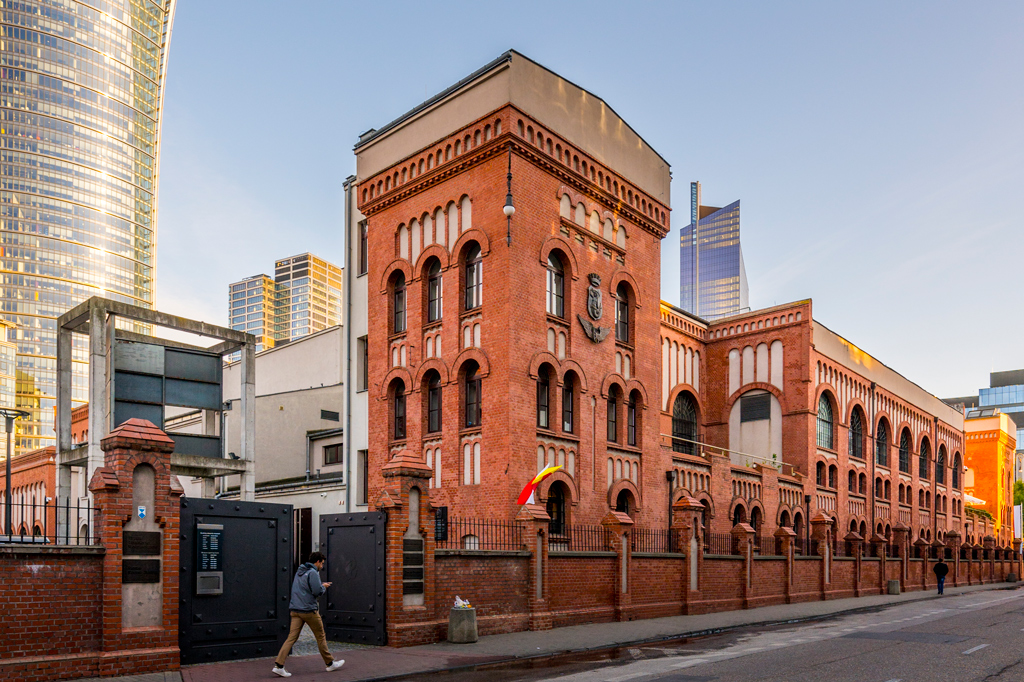
Warsaw Rising Museum

Warsaw Rising Museum

A crucial turning point in Polish history as well as the overall setting of World War II was the Warsaw Rising. Outnumbered and outgunned, the Polish underground resistance waged a 63-day war of attrition against the Nazi German occupation of Warsaw. Despite the resistance fighters' final failure, the rebellion is nevertheless viewed as a representation of bravery, tenacity, and optimism.

To memorialize the valiant men and women who fought and sacrificed their lives for their country, the Warsaw Rising Museum in Poland was founded. Anyone who wishes to understand more about this significant period in Polish history must visit the museum.

In this article, we will tour the Warsaw Rising Museum, learning about the significance of the uprising, its history, and the objects and exhibits that make the museum a must-see site for everyone interested in Polish history and the human spirit.

A Brief Overview of the Warsaw Rising Museum

The Warsaw Uprising of 1944 is the focus of the Warsaw Rising Museum in Warsaw, Poland. The museum's institution was founded in 1983, although there was no construction for long time. The 60th anniversary of the revolt was celebrated by its opening on July 31, 2004.

The museum offers a thorough understanding of the Warsaw Rising's history, causes, and significance. Visitors are also taken on a trip through the uprising's history, from its start to its devastating conclusion. The museum's exhibits cover major battles and events from the revolt while also giving a general overview of the prominent individuals and organizations involved in the resistance effort.

Research into the history of the uprising, as well as the background and belongings of the Polish Underground State, is supported by the museum. To offer a complete image of the people involved, it gathers and preserves hundreds of items, ranging from love letters to weaponry used by the insurgents.

The museum's declared objectives include compiling historical data on the revolt and documenting the testimonies and experiences of surviving participants.

Its director is Jan Odakowski, and his deputy is Polish Academy of Sciences historian Dariusz Gawin. The Platform of European Memory and Conscience includes the museum among its membership organizations. Visitors can get a feel of the struggle's reality at the exhibit.

Tour of the Warsaw Rising Museum in Poland

The most significant displays and artifacts are highlighted during a tour of the museum. The exhibitions span many floors and include written descriptions, artifacts, video and audio recordings, interactive displays, pictures, and other accounts of life in Warsaw during the German occupation, the uprising, and its aftermath. 

Every Warsaw neighborhood has its own exhibit. Many free educational pamphlets and flyers (in Polish and English) are available, including 63 calendar pages that span the dates from 1 August 1944 to 2 October 1944, and each of which contains a synopsis of the key events that occurred on that specific day of the revolt.

Following are just a few of the numerous divisions and exhibits:

·        The "little insurgent" chamber, which is devoted to the smallest rebels and the experience of the revolt among children. A colorized portrait of "the little nurse," Róa Maria Godziewska, and a replica of the "little insurgent" monument are both present in the chamber.

·        Kino palladium: A little theater displaying a never-ending stream of original video shot by resistance film makers in 1944 that was used to create the newsreels played in Warsaw's Palladium Theater during the revolt.

·        Two sewer replicas—one in the basement and one on the mezzanine floor—offer visitors the option to explore moving through German-controlled territory by using the sewers (without the sewage).

·        An insurgent hospital that provided aid to those hurt during the rebellion.

·        A B-24 Liberator in its full size can be found in the hangar.

·        Big Movie Theater: on the first level, it shows a movie made from newsreels. Chopin's Prelude in D Minor, Op. 28 No. 24, serves as the piece's climax.

·        Panorama views of Warsaw may be seen from the building's observation tower.

·        Print shop: During the German occupation, this space was utilized to print underground newspapers using vintage typewriters and printing machinery.

·        City of Ruins, a brief 3D film showing Warsaw's ruins as seen from the air in 1945.

·        Nazi section: the crimes carried out by the Germans and their allies during the uprising, as well as the horrors of the German occupation.

·        Communist Section: The Soviet occupation of Poland, Stalin's puppet regime, the lack of support for the uprising, and the fate of the Polish resistance in post-World War II communist Poland are all covered in the section on the Soviets.

Attractions of the Warsaw Rising Museum

·        A café with the 1940s feel.

·        Freedom Park: More than 30 posters with colored versions of images from the rebellion.

·        Freedom Park: During the uprising, the Warsaw neighborhood of Powile's insurgents produced a copy of the Kubu armored car.

·        Freedom Park: Remains of a Józef Poniatowski statue that the Germans destroyed after the uprising.

·        Freedom Park: Warsaw Uprising-inspired street art.

·        A memorial wall with a "Monter bell" and thousands of names of the deceased.

·        A wall that is referred to as the museum's "heart," and from which war sounds and heartbeats may be heard.

·        Gift shops.

·        At 51 Jerusalem Avenue, the Warsaw Uprising Museum preserves and runs the Warsaw Fotoplastikon, a stereoscopic theater utilized by the Polish underground in 1905.

Conclusion

The Warsaw Rising Museum in Poland is a must-visit location for everyone interested in learning more about the amazing tale of the Warsaw Rising. The museum offers a thorough understanding of the context, the reasons for it, and the importance of the revolt. The museum's displays provide a fully immersive experience that vividly brings the uprising's history to life. Visitors to the Warsaw Rising Museum can develop a profound respect for the bravery and sacrifice of the Polish people and consider the timeless lessons of resistance to injustice.

00 Comments

No comments yet.

Leave a Comment

We are offering for you

Featured Articles

Niagara Falls

Niagara Falls is one of the most popular tourist destinations in North America. Every year, millions of people visit Niagara Falls to see the amazing sights and experience the natural wonders of this world-famous destination.

The History of Niagara Falls

Niagara Falls has been a tourist destination for centuries. The first person to visit Niagara Falls was Father Louis Hennepin, a French missionary, in 1678. He wrote about the beauty of the falls, which attracted other European explorers and settlers to the area.

In the early 19th century, Niagara Falls became a popular honeymoon destination for American couples. The popularity of the falls as a tourist destination grew throughout the 19th and 20th centuries. Today Niagara Falls is one of the most popular tourist destinations, attracting millions of visitors each year.

The Different Views of Niagara Falls

There are three different ways to view Niagara Falls: from the Canadian side, from the American side, and from above.

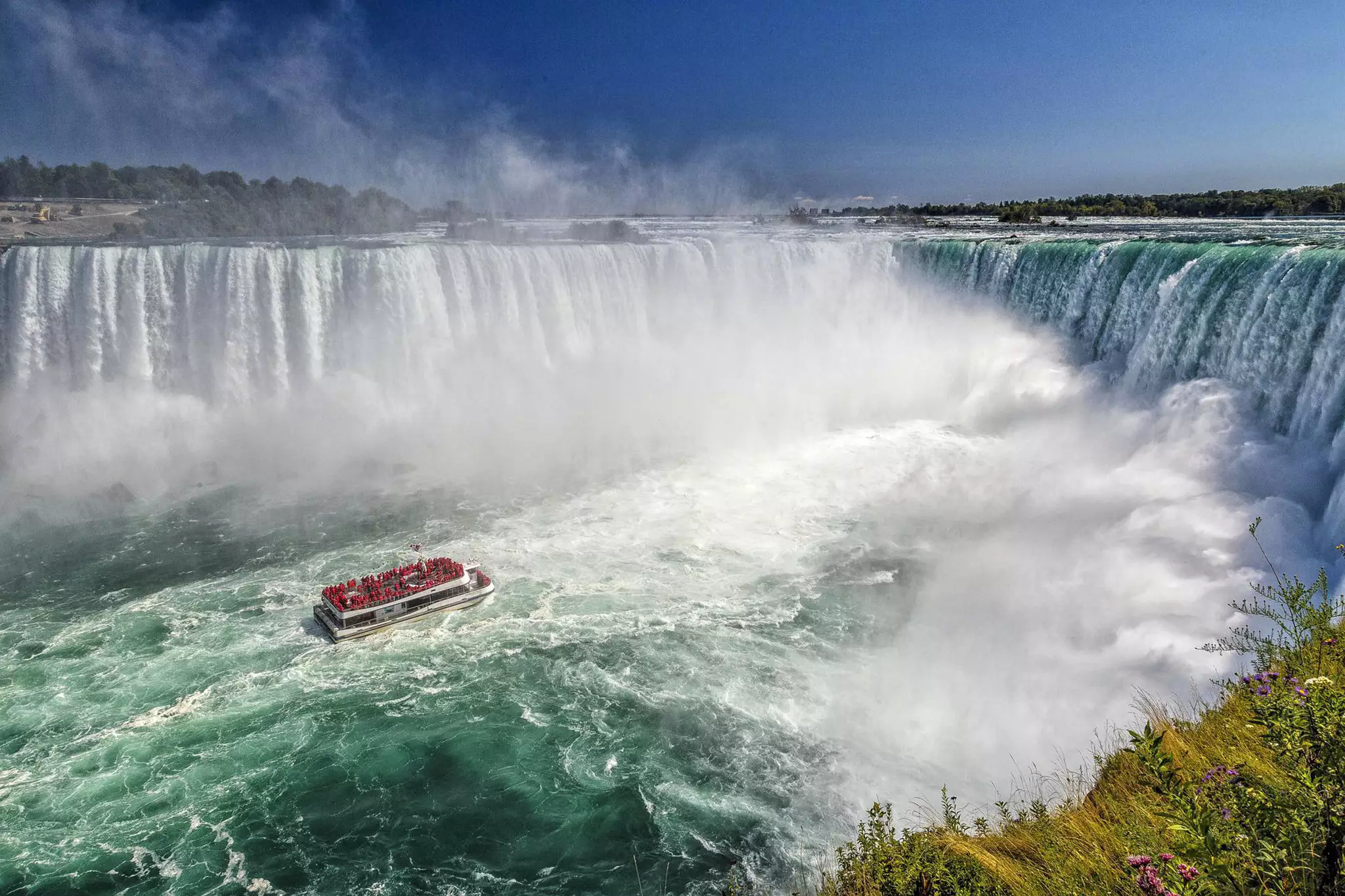
·        The Canadian side offers the best views of Niagara Falls. There are several observation decks, viewing areas, and a boardwalk that takes you right to the edge of the falls. You can also take a ride on the Maid of the Mist boat tour, which gets you up close and personal with the falls.

·        The American side offers different views of Niagara Falls than what you will see from the Canadian side. The most popular spot to view Niagara Falls on the American side is Goat Island, where you can walk out to the edge of Horseshoe Falls. Another great spot for views is Prospect Point Park, where you can get a bird’s eye view of all three waterfalls.

·        For something truly unique, take a trip aboard the Niagara Gorge Railway and enjoy panoramic views of Niagara Falls from above. It is a great way to see all three waterfalls at once and get an idea of how massive they are.

The Edge of the Niagara Falls

The edge of the falls is the best place to see the power of the water as it tumbles over the precipice. Several observation decks along the Niagara Gorge offer breathtaking views of the falls. The Rainbow Bridge, which spans the gorge just upstream from the falls, is a popular spot for picture-taking and boasts an up-close view of both the American and Horseshoe Falls.

Daredevils of Niagara Falls

Since the early days of Niagara Falls, people have been drawn to its raw power and beauty. Over the years, many have attempted to conquer the falls, often with tragic results. Here are some of the most famous (or infamous) daredevils who have taken on Niagara Falls:

·        Annie Edson Taylor was the first person to go over Niagara Falls in a barrel. She did it on her 63rd birthday in 1901 to achieve fame and fortune. Thankfully, she survived the stunt and lived to tell the tale.

·        Bobby Leach was the second person to went over Niagara Falls in a barrel. He did it in 1911 and also survived. Later he performed other stunts, including walking across a tightrope stretched over the falls.

·        Charles Stephens attempted to go over Niagara Falls in a barrel in 1920 but died during the attempt. His body is still missing.

·        Red Hill Sr., along with his son Red Hill Jr., became the first (and only) father and son duet, who went over Niagara Falls together in a barrel. They did it in 1951, and both survived.

·        Nik Wallenda became the first person to walk across Niagara Falls on a tightrope in 2012. He completed the stunt, which was televised live around the world.

How to get to Niagara Falls

Niagara Falls are located on the border between the United States and Canada, so there are a few different ways to reach them depending on your location.

If you are coming from the United States, the easiest way to get to Niagara Falls is by car. Several highways lead right to the falls, and once you cross the border into Canada, signs will point you in the right direction.

If you are coming from Toronto or another Canadian city, you can take a bus or train to Niagara Falls.

Once you arrive in Niagara Falls, there are plenty of ways to get up close and personal with the falls.

·        You can walk along the edges of the waterfall.

·        You can ride an elevator to the top of one of the falls for an incredible view.

·        You can also take a boat tour that takes you right into the spray of the falls.

Travel Guide for Niagara Falls

While planning a trip to Niagara Falls, there are a few things to know before visiting. Here is a travel guide for sightseers that will help you make the most of your trip:

When to Visit: The best time to visit Niagara Falls is during the summer season when the weather is warm and sunny. However, keep in mind that June through August are also the busiest months at Niagara Falls, so expect large crowds. If you want to avoid the crowds, plan your trip for September or October when the weather is still pleasant.

What to See: There is more to see at Niagara Falls than just the falls themselves. Be sure to take a ride on the Maid of the Mist boat tour for an up-close look at the powerful falls, and do not forget to visit Goat Island for some fantastic views. For something truly unique, check out 'Journey Behind the Falls', where you can stand inside a cave behind the raging waters of Horseshoe Falls.

What to Do: Other than sightseeing, there are plenty of other activities to enjoy at Niagara Falls. Take a walk along one of the many scenic trails, go whitewater rafting or tubing down the rapids, or take a helicopter.

Where to stay when visiting Niagara Falls

The first question you need to ask when trying to find accommodation in Niagara Falls is, how close to the Falls do you want to be?

If your priority is to walk out of your door and see the Falls, then you can stay in hotels like the Niagara Falls Marriott or the Sheraton on the Falls. Both of these come with a high price tag, so if you are looking for something more budget-friendly, there are plenty of other hotels located a little further away from the Falls. These hotels will still give you easy access to all the main attractions.

If you are hoping to do some wine touring, then it might be worth considering staying in Niagara-on-the-Lake. This quaint town, situated right in the middle of Ontario's wine country, offers visitors plenty of options for day trips and activities. There are also several good restaurants and cafes, as well as several bed and breakfasts if you are looking for a more intimate accommodation option.

No matter where you choose to stay, there is no doubt that Niagara Falls is an incredible destination that will leave you with memories to last a lifetime.

Conclusion

Niagara Falls is one of the world's most famous natural wonders and a must-see for any traveler. With its three massive waterfalls, Niagara Falls is one of the most famous waterfalls in the world to be visited once in a lifetime. This travel guide will help you make the most of your visit to Niagara Falls, from where to stay and what to do, to how to best experience this natural wonder. So start planning your trip to Niagara Falls today.