

Yakushima Island
Introduction
Hidden off the southern coast of Japan lies a mystical island where ancient cedar forests are wrapped in mist, moss covers every stone, and waterfalls flow through untouched wilderness. Welcome to Yakushima Island, one of Japan’s most magical and ecologically important destinations.
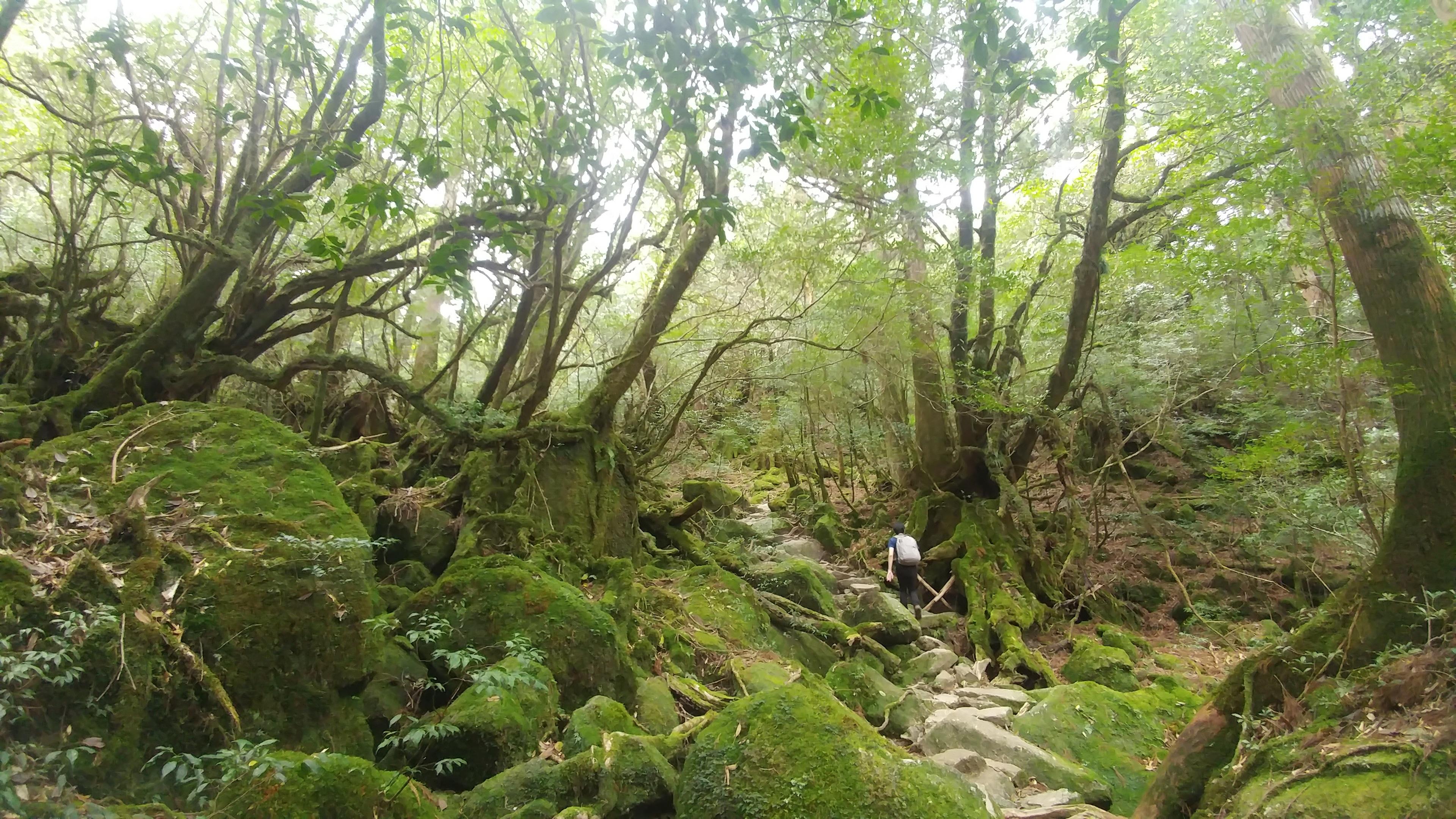
Often described as the “Forest That Inspired Princess Mononoke,” Yakushima Island is famous for its prehistoric cedar trees, lush mountain landscapes, and extraordinary biodiversity. The island’s enchanting scenery is widely believed to have inspired the mystical forests seen in Princess Mononoke, the legendary animated masterpiece by Hayao Miyazaki.
Recognized as a UNESCO World Heritage Site, Yakushima offers travelers an unforgettable journey into one of the oldest and most beautiful natural environments in Asia.
Geography and Environment
Yakushima Island is located south of Kyushu in the Kagoshima Prefecture of Japan.
Although relatively small in size, the island contains an extraordinary range of ecosystems, from subtropical coastal forests to cool mountain regions covered in ancient cedar trees.
Yakushima is known for its heavy rainfall, earning it the nickname “the island where it rains 35 days a month.” This constant moisture creates the lush green landscapes and thick moss-covered forests that define the island’s magical atmosphere.
Towering mountains dominate the interior, including Mount Miyanoura, the island’s highest peak.
The combination of mountains, rivers, forests, and waterfalls creates one of Japan’s most unique and biodiverse environments.
Ancient Cedar Forests
Yakushima’s most famous feature is its ancient cedar forests, home to some of the oldest living trees in Japan.
These cedar trees, known locally as Yakusugi, can live for thousands of years due to the island’s humid climate and nutrient-rich environment.
One of the island’s most iconic trees is Jōmon Sugi, estimated to be between 2,000 and 7,000 years old. Reaching this legendary tree requires a long trek through deep forest trails, making the journey itself part of the experience.
Massive roots, twisted trunks, and moss-covered landscapes create a primeval atmosphere that feels untouched by time.
Walking through these forests often feels like entering a living fantasy world.
Inspiration for Princess Mononoke
Yakushima’s mystical landscapes are strongly associated with the visual inspiration behind Princess Mononoke, one of the most celebrated animated films in Japanese cinema.
The island’s ancient forests, dense moss, and mysterious atmosphere resemble the enchanted woodland settings portrayed in the film.
Visitors frequently describe Yakushima as feeling magical, spiritual, and almost unreal—qualities that align perfectly with the themes of nature and mythology explored in Princess Mononoke.
This connection has made Yakushima especially popular among fans of Japanese animation, art, and storytelling.
Waterfalls, Rivers, and Coastal Beauty
Yakushima is also famous for its stunning waterfalls and crystal-clear rivers.
Among the island’s most impressive waterfalls is Ōko-no-Taki, one of Japan’s tallest waterfalls, cascading dramatically through lush forest surroundings.
The island’s rivers flow from mountain peaks down to the coast, creating scenic valleys and freshwater pools.
Yakushima’s coastline offers a different type of beauty, with rocky shores, sandy beaches, and dramatic ocean views shaped by the Pacific Ocean.
The island’s natural diversity allows travelers to experience mountains, forests, rivers, and coastal landscapes all within a single destination.
Wildlife and Biodiversity
Yakushima Island is home to remarkable biodiversity and many endemic species.
The island supports populations of Yakushima Macaque and Yaku Deer, which are commonly seen throughout the forests.
Sea turtles also visit Yakushima’s beaches to nest, especially during warmer months.
The island’s unique combination of subtropical and temperate ecosystems creates habitats for countless plant species, birds, insects, and marine life.
Because of its ecological importance, much of Yakushima is protected as national parkland and UNESCO World Heritage territory.
Hiking and Outdoor Adventure
Yakushima is considered one of Japan’s best destinations for hiking and eco-tourism.
Trails range from short forest walks to challenging mountain treks through ancient cedar forests and rugged landscapes.
The hike to Jōmon Sugi is the island’s most famous route, attracting adventurers from around the world.
Other scenic areas such as Shiratani Unsuikyo are especially popular for their enchanting moss-covered scenery and easy access.
Kayaking, river exploration, wildlife observation, and waterfall visits also offer unforgettable outdoor experiences.
The island’s natural beauty creates a perfect destination for travelers seeking adventure and tranquility.
Japanese Culture and Island Life
Despite its remote location, Yakushima maintains a rich local culture deeply connected to nature.
Traditional Japanese customs, local shrines, and small fishing villages reflect the island’s peaceful way of life.
Residents have long respected the forests and mountains as sacred spaces, shaping a culture centered around environmental harmony.
Local cuisine features fresh seafood, mountain vegetables, and regional specialties unique to southern Japan.
The island’s calm atmosphere and welcoming communities enhance the overall travel experience.
Sustainability and Conservation
Yakushima is internationally recognized for its conservation efforts and environmental protection.
Strict regulations help preserve the island’s ancient forests and fragile ecosystems from overdevelopment and environmental damage.
Eco-tourism plays a major role in the local economy, encouraging responsible travel practices and environmental awareness.
Visitors are encouraged to remain on marked trails, avoid disturbing wildlife, and support local conservation initiatives.
These efforts help ensure Yakushima’s extraordinary natural beauty survives for future generations.
Best Time to Visit Yakushima Island
Yakushima can be visited year-round, though the best seasons are spring and autumn when temperatures are comfortable and forests appear especially vibrant.
Summer brings warmer weather and lush greenery but also heavier rainfall and humidity.
Winter offers fewer tourists and occasional snow on higher mountain peaks, creating dramatic scenery.
Because rain is common throughout the year, visitors should always prepare for changing weather conditions.
Transport and Accessibility
Yakushima Island is accessible by ferry or domestic flights from Kagoshima on mainland Japan.
Rental cars and local buses allow visitors to explore the island’s forests, villages, and coastal areas.
Although remote, Yakushima’s transportation infrastructure makes it relatively convenient for eco-tourism and nature travel.
The island’s isolation contributes to its peaceful and untouched atmosphere.
Why Visit Yakushima Island?
Yakushima offers one of the most magical natural experiences in Japan. Its ancient cedar forests, mist-covered mountains, waterfalls, and rich biodiversity create a destination that feels timeless and otherworldly.
Visitors can immerse themselves in landscapes that inspired legendary Japanese animation while exploring one of Asia’s most extraordinary ecosystems.
For hikers, nature lovers, photographers, and cultural travelers, Yakushima delivers an unforgettable journey into the heart of Japan’s wild beauty.
Conclusion
Yakushima Island stands as one of Japan’s most enchanting and ecologically significant destinations. From ancient cedar trees thousands of years old to moss-covered forests that inspired Princess Mononoke, the island offers a rare connection to nature’s timeless beauty.
Its peaceful atmosphere, breathtaking scenery, and strong conservation values make Yakushima far more than just a travel destination—it is a living natural sanctuary.
For travelers seeking adventure, inspiration, and serenity, Yakushima Island offers an unforgettable escape into a mystical world where nature still reigns supreme.
00 Comments
No comments yet.
Leave a Comment