
Traveller

Yellowstone National Park

Yellowstone National Park

Introduction

Yellowstone National Park, located primarily in the U.S. states of Wyoming, Montana, and Idaho, is one of the most extraordinary natural landscapes on Earth. Established in 1872 as the world’s first national park, Yellowstone is a vast wilderness defined by geothermal wonders, dramatic landscapes, and abundant wildlife. Covering over 8,900 square kilometers, the park represents the raw power of nature and the importance of conservation.

Unlike traditional scenic parks, Yellowstone is alive beneath the surface. Boiling geysers, steaming vents, and bubbling mud pools reveal the presence of a massive volcanic system below. Combined with wide-open valleys, rivers, forests, and roaming wildlife, Yellowstone offers an immersive experience into the untamed heart of North America.


Geographical and Environmental Significance

Yellowstone sits atop one of the world’s largest active volcanic systems, commonly referred to as the Yellowstone Supervolcano. Beneath the park lies a vast magma chamber that fuels its extraordinary geothermal activity. This unique geological foundation makes Yellowstone one of the most scientifically important regions on the planet.

The park spans a high-elevation plateau surrounded by mountain ranges and includes rivers, lakes, canyons, and forests. Yellowstone Lake, one of the largest high-altitude lakes in North America, plays a vital role in the park’s ecosystem. The region’s diverse geography supports a wide range of habitats, contributing to its exceptional biodiversity.


Geothermal Wonders and Natural Phenomena

Yellowstone is home to more than half of the world’s geysers, making it unmatched in geothermal diversity. The most famous of these is Old Faithful, a geyser known for its relatively predictable eruptions that draw visitors from around the world.

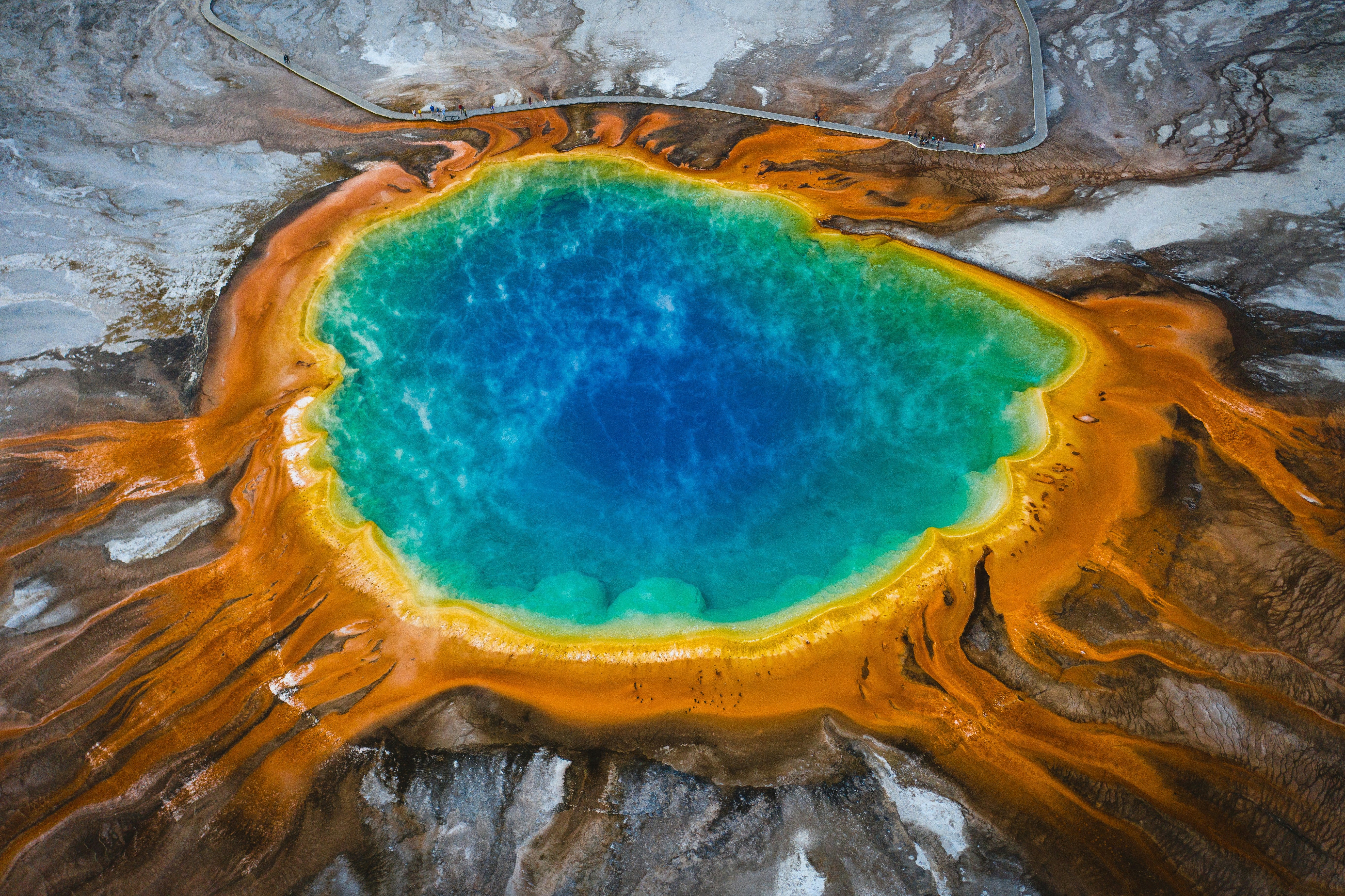
Other geothermal highlights include Grand Prismatic Spring, the largest hot spring in the United States, renowned for its vivid rainbow-like colors caused by heat-loving microorganisms. Areas such as Norris Geyser Basin and Mammoth Hot Springs showcase steaming terraces, fumaroles, and constantly changing formations.

These geothermal features create a surreal landscape that feels more like another planet than a national park.


Wildlife and Ecosystems

Yellowstone National Park is one of the last remaining intact temperate ecosystems in the Northern Hemisphere. The park supports an incredible range of wildlife, including bison, elk, wolves, grizzly bears, black bears, moose, and coyotes.

The reintroduction of gray wolves in the 1990s is considered one of the most successful wildlife restoration efforts in history. Their presence has helped rebalance ecosystems by controlling elk populations and allowing vegetation and river systems to recover.

Birdlife is equally diverse, with hundreds of species inhabiting wetlands, forests, and open plains. Yellowstone’s ecosystems demonstrate the delicate balance between predators, prey, and the natural environment.


Landscapes and Scenic Highlights

Beyond its geothermal features, Yellowstone boasts some of the most stunning landscapes in the United States. The Grand Canyon of the Yellowstone, carved by the Yellowstone River, features dramatic cliffs, waterfalls, and vibrant mineral-stained rock walls.

Rolling grasslands such as Lamar Valley and Hayden Valley offer sweeping views and are prime locations for wildlife viewing. Dense forests, alpine meadows, and mountain peaks create ever-changing scenery across the park’s vast expanse.

These landscapes provide endless opportunities for photography, hiking, and quiet reflection.


History and Conservation Legacy

Yellowstone’s establishment marked a turning point in global conservation history. Long before becoming a national park, the region was inhabited by Native American tribes who relied on its resources and spiritual significance.

In the 19th century, explorers and scientists recognized the area’s uniqueness, leading to its protection as a national park. Yellowstone set the precedent for conservation efforts worldwide and remains a symbol of humanity’s commitment to preserving natural wonders for future generations.


Sustainable Tourism and Environmental Protection

Conservation is central to Yellowstone’s mission. With millions of visitors each year, the park emphasizes responsible tourism to protect its fragile ecosystems. Strict regulations help preserve wildlife habitats, geothermal features, and natural landscapes.

Visitors are encouraged to stay on designated trails, maintain safe distances from animals, and follow Leave No Trace principles. Ongoing research, education programs, and park management strategies ensure that Yellowstone remains protected despite increasing environmental pressures.


Best Time to Visit Yellowstone National Park

The best time to visit Yellowstone is from May to October, when most roads and facilities are open. Summer offers warm weather and abundant wildlife sightings, though it is also the busiest season.

Spring and autumn provide fewer crowds, active wildlife, and dramatic seasonal changes. Winter transforms Yellowstone into a snowy wilderness, offering opportunities for snowshoeing, cross-country skiing, and guided snowmobile tours, though access is more limited.


How to Get Around

Yellowstone National Park can be accessed through multiple entrances in Wyoming, Montana, and Idaho. The park is best explored by car, as attractions are spread across a large area connected by scenic roads.

Within the park, visitors rely on personal vehicles, guided tours, and shuttle services in select areas. Walking and hiking trails allow for deeper exploration of geothermal basins and backcountry regions.


Why Yellowstone Belongs on Your Travel Bucket List

Yellowstone National Park offers an experience found nowhere else in the world. Its combination of geothermal power, diverse wildlife, and expansive landscapes creates a sense of awe and respect for the natural world.

For travelers interested in geology, wildlife, photography, or conservation, Yellowstone delivers a journey that is both educational and deeply inspiring.


Conclusion

Yellowstone National Park stands as a symbol of nature’s power, beauty, and resilience. From erupting geysers and vibrant hot springs to roaming bison and pristine valleys, the park offers a window into Earth’s dynamic processes and living ecosystems. Visiting Yellowstone is more than a scenic adventure—it is a reminder of the importance of protecting the wild places that define our planet’s natural heritage.

00 Comments

No comments yet.

Leave a Comment

We are offering for you

Featured Articles

Niagara Falls

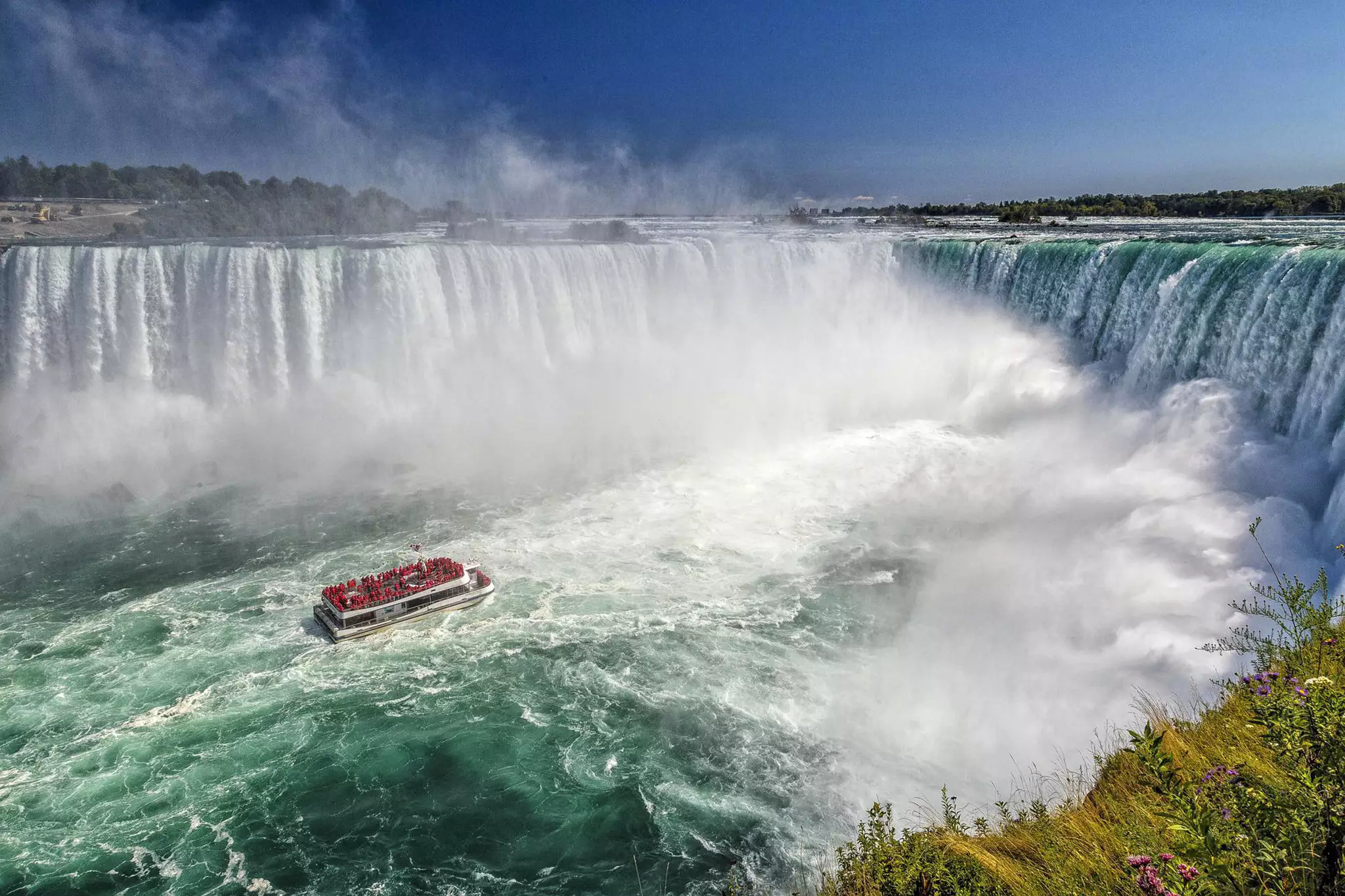
Niagara Falls is one of the most popular tourist destinations in North America. Every year, millions of people visit Niagara Falls to see the amazing sights and experience the natural wonders of this world-famous destination.

The History of Niagara Falls

Niagara Falls has been a tourist destination for centuries. The first person to visit Niagara Falls was Father Louis Hennepin, a French missionary, in 1678. He wrote about the beauty of the falls, which attracted other European explorers and settlers to the area.

In the early 19th century, Niagara Falls became a popular honeymoon destination for American couples. The popularity of the falls as a tourist destination grew throughout the 19th and 20th centuries. Today Niagara Falls is one of the most popular tourist destinations, attracting millions of visitors each year.

The Different Views of Niagara Falls

There are three different ways to view Niagara Falls: from the Canadian side, from the American side, and from above.

·        The Canadian side offers the best views of Niagara Falls. There are several observation decks, viewing areas, and a boardwalk that takes you right to the edge of the falls. You can also take a ride on the Maid of the Mist boat tour, which gets you up close and personal with the falls.

·        The American side offers different views of Niagara Falls than what you will see from the Canadian side. The most popular spot to view Niagara Falls on the American side is Goat Island, where you can walk out to the edge of Horseshoe Falls. Another great spot for views is Prospect Point Park, where you can get a bird’s eye view of all three waterfalls.

·        For something truly unique, take a trip aboard the Niagara Gorge Railway and enjoy panoramic views of Niagara Falls from above. It is a great way to see all three waterfalls at once and get an idea of how massive they are.

The Edge of the Niagara Falls

The edge of the falls is the best place to see the power of the water as it tumbles over the precipice. Several observation decks along the Niagara Gorge offer breathtaking views of the falls. The Rainbow Bridge, which spans the gorge just upstream from the falls, is a popular spot for picture-taking and boasts an up-close view of both the American and Horseshoe Falls.

Daredevils of Niagara Falls

Since the early days of Niagara Falls, people have been drawn to its raw power and beauty. Over the years, many have attempted to conquer the falls, often with tragic results. Here are some of the most famous (or infamous) daredevils who have taken on Niagara Falls:

·        Annie Edson Taylor was the first person to go over Niagara Falls in a barrel. She did it on her 63rd birthday in 1901 to achieve fame and fortune. Thankfully, she survived the stunt and lived to tell the tale.

·        Bobby Leach was the second person to went over Niagara Falls in a barrel. He did it in 1911 and also survived. Later he performed other stunts, including walking across a tightrope stretched over the falls.

·        Charles Stephens attempted to go over Niagara Falls in a barrel in 1920 but died during the attempt. His body is still missing.

·        Red Hill Sr., along with his son Red Hill Jr., became the first (and only) father and son duet, who went over Niagara Falls together in a barrel. They did it in 1951, and both survived.

·        Nik Wallenda became the first person to walk across Niagara Falls on a tightrope in 2012. He completed the stunt, which was televised live around the world.

How to get to Niagara Falls

Niagara Falls are located on the border between the United States and Canada, so there are a few different ways to reach them depending on your location.

If you are coming from the United States, the easiest way to get to Niagara Falls is by car. Several highways lead right to the falls, and once you cross the border into Canada, signs will point you in the right direction.

If you are coming from Toronto or another Canadian city, you can take a bus or train to Niagara Falls.

Once you arrive in Niagara Falls, there are plenty of ways to get up close and personal with the falls.

·        You can walk along the edges of the waterfall.

·        You can ride an elevator to the top of one of the falls for an incredible view.

·        You can also take a boat tour that takes you right into the spray of the falls.

Travel Guide for Niagara Falls

While planning a trip to Niagara Falls, there are a few things to know before visiting. Here is a travel guide for sightseers that will help you make the most of your trip:

When to Visit: The best time to visit Niagara Falls is during the summer season when the weather is warm and sunny. However, keep in mind that June through August are also the busiest months at Niagara Falls, so expect large crowds. If you want to avoid the crowds, plan your trip for September or October when the weather is still pleasant.

What to See: There is more to see at Niagara Falls than just the falls themselves. Be sure to take a ride on the Maid of the Mist boat tour for an up-close look at the powerful falls, and do not forget to visit Goat Island for some fantastic views. For something truly unique, check out 'Journey Behind the Falls', where you can stand inside a cave behind the raging waters of Horseshoe Falls.

What to Do: Other than sightseeing, there are plenty of other activities to enjoy at Niagara Falls. Take a walk along one of the many scenic trails, go whitewater rafting or tubing down the rapids, or take a helicopter.

Where to stay when visiting Niagara Falls

The first question you need to ask when trying to find accommodation in Niagara Falls is, how close to the Falls do you want to be?

If your priority is to walk out of your door and see the Falls, then you can stay in hotels like the Niagara Falls Marriott or the Sheraton on the Falls. Both of these come with a high price tag, so if you are looking for something more budget-friendly, there are plenty of other hotels located a little further away from the Falls. These hotels will still give you easy access to all the main attractions.

If you are hoping to do some wine touring, then it might be worth considering staying in Niagara-on-the-Lake. This quaint town, situated right in the middle of Ontario's wine country, offers visitors plenty of options for day trips and activities. There are also several good restaurants and cafes, as well as several bed and breakfasts if you are looking for a more intimate accommodation option.

No matter where you choose to stay, there is no doubt that Niagara Falls is an incredible destination that will leave you with memories to last a lifetime.

Conclusion

Niagara Falls is one of the world's most famous natural wonders and a must-see for any traveler. With its three massive waterfalls, Niagara Falls is one of the most famous waterfalls in the world to be visited once in a lifetime. This travel guide will help you make the most of your visit to Niagara Falls, from where to stay and what to do, to how to best experience this natural wonder. So start planning your trip to Niagara Falls today.