
Traveller

Zhangjiajie National Forest Park

Zhangjiajie National Forest Park

Introduction

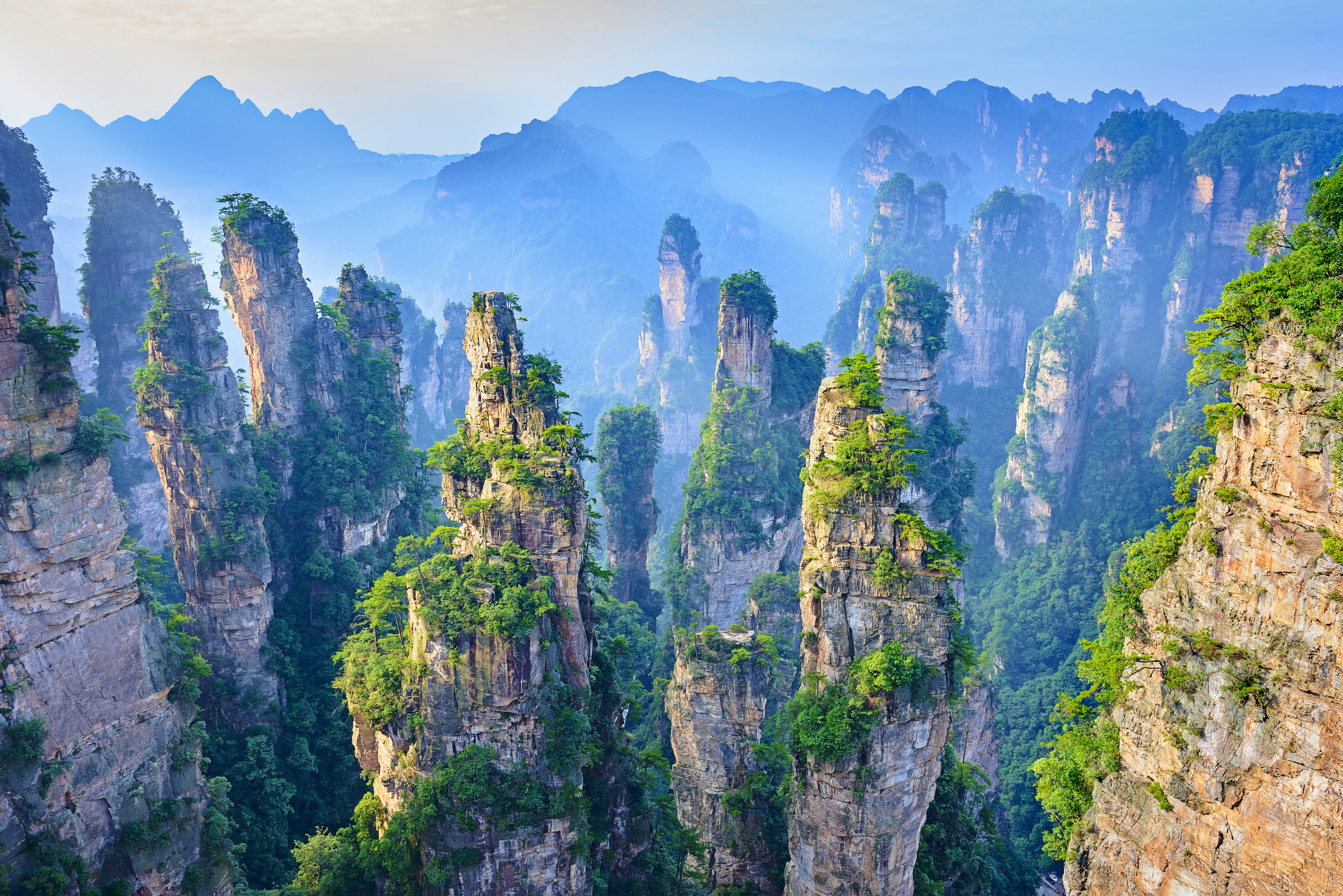
Zhangjiajie National Forest Park, located in China’s Hunan Province, is one of the most extraordinary natural landscapes on Earth. Famous for its towering sandstone pillars that rise dramatically from mist-covered valleys, the park feels almost otherworldly. These unique formations inspired the floating mountains seen in the film Avatar, bringing global attention to a destination long revered in Chinese culture.

As China’s first national forest park, established in 1982, Zhangjiajie represents the perfect blend of geological wonder, biodiversity, and cultural significance. For travelers seeking dramatic scenery, adventure, and a deep connection with nature, Zhangjiajie offers an unforgettable experience unlike anywhere else in the world.


Geographical and Environmental Significance

Zhangjiajie National Forest Park lies within the larger Wulingyuan Scenic Area, a UNESCO World Heritage Site. The region covers over 26,000 hectares and is characterized by more than 3,000 quartz-sandstone pillars, many rising over 200 meters in height.

Formed through millions of years of erosion caused by water, wind, and vegetation, these vertical rock columns are a rare geological phenomenon. Subtropical forests blanket the region, supported by a humid climate with frequent mist and rainfall. This environment enhances the park’s mystical atmosphere while sustaining a rich and diverse ecosystem.


Iconic Landscapes and Natural Wonders

The most defining feature of Zhangjiajie is its forest of stone pillars, which appear like giant natural skyscrapers. Yuanjiajie Scenic Area is the most famous section, home to the “Avatar Hallelujah Mountain,” a pillar that seems to float among clouds during misty mornings.

Another highlight is Tianzi Mountain, known for sweeping panoramic views of peaks emerging from fog. The area is also filled with deep ravines, natural bridges, waterfalls, and caves, each contributing to the park’s dramatic beauty.

The Golden Whip Stream, a peaceful valley trail running alongside crystal-clear water, offers a contrasting experience to the towering cliffs above. Together, these landscapes create a destination that feels both powerful and serene.


Biodiversity and Wildlife

Zhangjiajie National Forest Park supports an impressive range of plant and animal life. Dense forests are home to more than 3,000 plant species, including ancient trees, medicinal herbs, and rare flora.

Wildlife in the park includes macaque monkeys, deer, wild boar, and numerous bird species. The region plays an important role in conservation, serving as a protected habitat for endangered species while maintaining ecological balance within the forest environment.


Cultural and Historical Importance

Beyond its natural beauty, Zhangjiajie holds cultural significance rooted in local ethnic traditions. The region is home to minority groups such as the Tujia and Miao, whose customs, architecture, and festivals enrich the cultural landscape.

Traditional songs, dances, and folklore are closely connected to the surrounding mountains, which are often viewed as sacred. Throughout Chinese history, these dramatic landscapes have inspired poets, painters, and philosophers, reinforcing the belief that nature and spirituality are deeply intertwined.


Adventure and Outdoor Experiences

Zhangjiajie is a paradise for adventure seekers. One of the park’s most famous attractions is the Zhangjiajie Glass Bridge, suspended high above a canyon and offering thrilling views below. The bridge has become an international symbol of modern engineering set against ancient landscapes.

Cable cars, elevators such as the Bailong Elevator, and hiking trails allow visitors of all fitness levels to explore the park. Whether walking forest paths or standing atop observation decks, every viewpoint reveals a new perspective of the towering stone pillars.


Sustainable Tourism and Conservation

As tourism has increased, sustainability has become a priority in Zhangjiajie National Forest Park. Strict visitor regulations, designated pathways, and environmentally sensitive transport systems help minimize ecological impact.

Electric buses and controlled access zones reduce pollution, while conservation programs focus on protecting vegetation and wildlife. These efforts ensure that Zhangjiajie remains preserved for future generations while allowing visitors to experience its beauty responsibly.


Best Time to Visit Zhangjiajie

The best time to visit Zhangjiajie National Forest Park is April to October, when the weather is mild and the landscape is lush and green. Spring brings blooming vegetation, while autumn offers clearer skies and vibrant seasonal colors.

Summer provides dramatic misty views but can be humid and crowded. Winter, though quieter, transforms the park into a striking scene of snow-covered pillars, appealing to photographers seeking a unique atmosphere.


How to Get Around

Zhangjiajie is accessible via Zhangjiajie Hehua International Airport, with domestic flights from major Chinese cities. High-speed rail connections also link the region to nearby urban centers.

Inside the park, an efficient shuttle bus system connects major scenic areas. Cable cars, elevators, and well-marked walking trails make navigation convenient while preserving the natural environment.


Why Zhangjiajie Belongs on Your Travel Bucket List

Zhangjiajie National Forest Park offers landscapes found nowhere else on Earth. Its vertical stone pillars, misty valleys, and immersive natural beauty create a destination that feels both surreal and deeply grounding.

For photographers, hikers, nature lovers, and cultural explorers, Zhangjiajie delivers a once-in-a-lifetime experience. It stands as a powerful reminder of nature’s ability to inspire awe and imagination.


Conclusion

Zhangjiajie National Forest Park is a masterpiece sculpted by time, erosion, and natural forces beyond human control. From its towering sandstone pillars and lush forests to its cultural heritage and commitment to conservation, the park represents one of the world’s most remarkable natural destinations. Visiting Zhangjiajie is not merely a journey through scenic landscapes—it is an encounter with nature at its most imaginative and profound.

00 Comments

No comments yet.

Leave a Comment

We are offering for you

Featured Articles

Niagara Falls

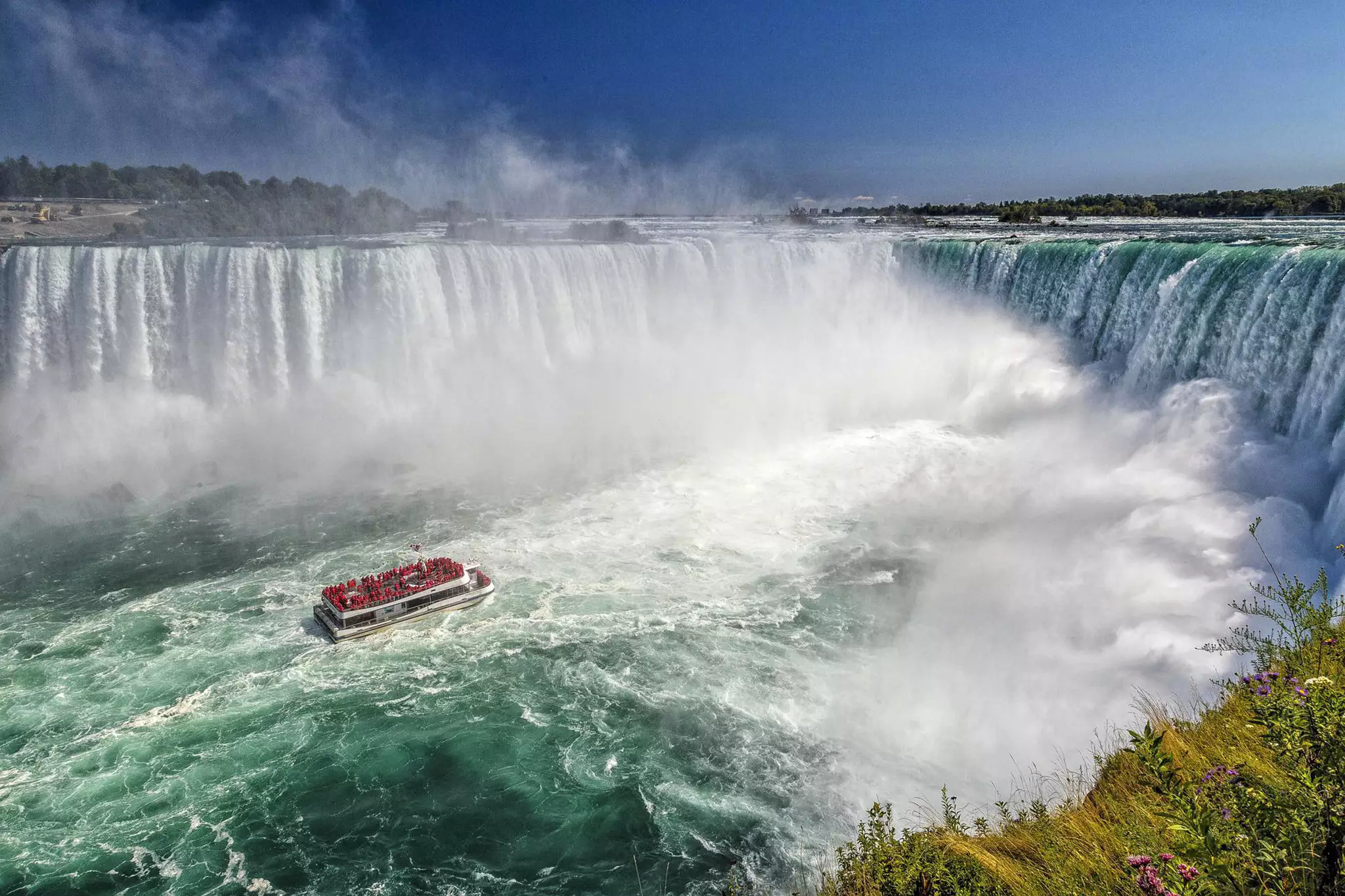
Niagara Falls is one of the most popular tourist destinations in North America. Every year, millions of people visit Niagara Falls to see the amazing sights and experience the natural wonders of this world-famous destination.

The History of Niagara Falls

Niagara Falls has been a tourist destination for centuries. The first person to visit Niagara Falls was Father Louis Hennepin, a French missionary, in 1678. He wrote about the beauty of the falls, which attracted other European explorers and settlers to the area.

In the early 19th century, Niagara Falls became a popular honeymoon destination for American couples. The popularity of the falls as a tourist destination grew throughout the 19th and 20th centuries. Today Niagara Falls is one of the most popular tourist destinations, attracting millions of visitors each year.

The Different Views of Niagara Falls

There are three different ways to view Niagara Falls: from the Canadian side, from the American side, and from above.

·        The Canadian side offers the best views of Niagara Falls. There are several observation decks, viewing areas, and a boardwalk that takes you right to the edge of the falls. You can also take a ride on the Maid of the Mist boat tour, which gets you up close and personal with the falls.

·        The American side offers different views of Niagara Falls than what you will see from the Canadian side. The most popular spot to view Niagara Falls on the American side is Goat Island, where you can walk out to the edge of Horseshoe Falls. Another great spot for views is Prospect Point Park, where you can get a bird’s eye view of all three waterfalls.

·        For something truly unique, take a trip aboard the Niagara Gorge Railway and enjoy panoramic views of Niagara Falls from above. It is a great way to see all three waterfalls at once and get an idea of how massive they are.

The Edge of the Niagara Falls

The edge of the falls is the best place to see the power of the water as it tumbles over the precipice. Several observation decks along the Niagara Gorge offer breathtaking views of the falls. The Rainbow Bridge, which spans the gorge just upstream from the falls, is a popular spot for picture-taking and boasts an up-close view of both the American and Horseshoe Falls.

Daredevils of Niagara Falls

Since the early days of Niagara Falls, people have been drawn to its raw power and beauty. Over the years, many have attempted to conquer the falls, often with tragic results. Here are some of the most famous (or infamous) daredevils who have taken on Niagara Falls:

·        Annie Edson Taylor was the first person to go over Niagara Falls in a barrel. She did it on her 63rd birthday in 1901 to achieve fame and fortune. Thankfully, she survived the stunt and lived to tell the tale.

·        Bobby Leach was the second person to went over Niagara Falls in a barrel. He did it in 1911 and also survived. Later he performed other stunts, including walking across a tightrope stretched over the falls.

·        Charles Stephens attempted to go over Niagara Falls in a barrel in 1920 but died during the attempt. His body is still missing.

·        Red Hill Sr., along with his son Red Hill Jr., became the first (and only) father and son duet, who went over Niagara Falls together in a barrel. They did it in 1951, and both survived.

·        Nik Wallenda became the first person to walk across Niagara Falls on a tightrope in 2012. He completed the stunt, which was televised live around the world.

How to get to Niagara Falls

Niagara Falls are located on the border between the United States and Canada, so there are a few different ways to reach them depending on your location.

If you are coming from the United States, the easiest way to get to Niagara Falls is by car. Several highways lead right to the falls, and once you cross the border into Canada, signs will point you in the right direction.

If you are coming from Toronto or another Canadian city, you can take a bus or train to Niagara Falls.

Once you arrive in Niagara Falls, there are plenty of ways to get up close and personal with the falls.

·        You can walk along the edges of the waterfall.

·        You can ride an elevator to the top of one of the falls for an incredible view.

·        You can also take a boat tour that takes you right into the spray of the falls.

Travel Guide for Niagara Falls

While planning a trip to Niagara Falls, there are a few things to know before visiting. Here is a travel guide for sightseers that will help you make the most of your trip:

When to Visit: The best time to visit Niagara Falls is during the summer season when the weather is warm and sunny. However, keep in mind that June through August are also the busiest months at Niagara Falls, so expect large crowds. If you want to avoid the crowds, plan your trip for September or October when the weather is still pleasant.

What to See: There is more to see at Niagara Falls than just the falls themselves. Be sure to take a ride on the Maid of the Mist boat tour for an up-close look at the powerful falls, and do not forget to visit Goat Island for some fantastic views. For something truly unique, check out 'Journey Behind the Falls', where you can stand inside a cave behind the raging waters of Horseshoe Falls.

What to Do: Other than sightseeing, there are plenty of other activities to enjoy at Niagara Falls. Take a walk along one of the many scenic trails, go whitewater rafting or tubing down the rapids, or take a helicopter.

Where to stay when visiting Niagara Falls

The first question you need to ask when trying to find accommodation in Niagara Falls is, how close to the Falls do you want to be?

If your priority is to walk out of your door and see the Falls, then you can stay in hotels like the Niagara Falls Marriott or the Sheraton on the Falls. Both of these come with a high price tag, so if you are looking for something more budget-friendly, there are plenty of other hotels located a little further away from the Falls. These hotels will still give you easy access to all the main attractions.

If you are hoping to do some wine touring, then it might be worth considering staying in Niagara-on-the-Lake. This quaint town, situated right in the middle of Ontario's wine country, offers visitors plenty of options for day trips and activities. There are also several good restaurants and cafes, as well as several bed and breakfasts if you are looking for a more intimate accommodation option.

No matter where you choose to stay, there is no doubt that Niagara Falls is an incredible destination that will leave you with memories to last a lifetime.

Conclusion

Niagara Falls is one of the world's most famous natural wonders and a must-see for any traveler. With its three massive waterfalls, Niagara Falls is one of the most famous waterfalls in the world to be visited once in a lifetime. This travel guide will help you make the most of your visit to Niagara Falls, from where to stay and what to do, to how to best experience this natural wonder. So start planning your trip to Niagara Falls today.